
Signs of Unsafe Swimming Pool Conditions
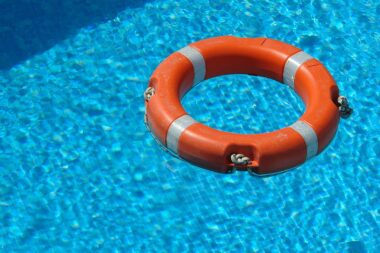
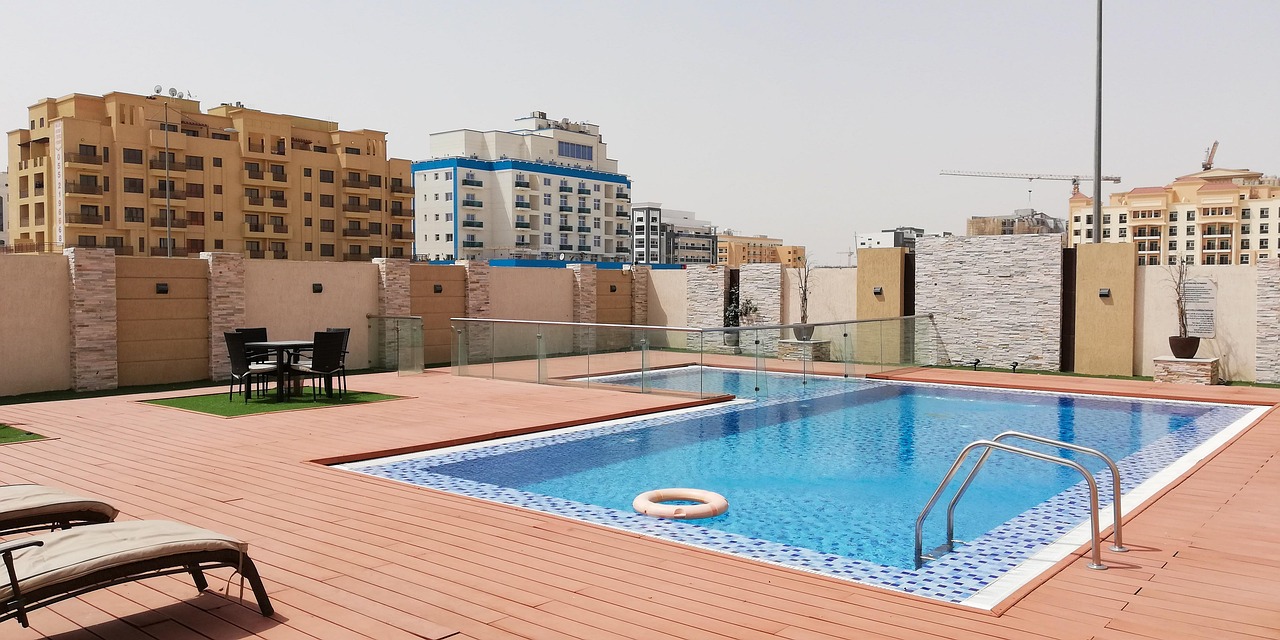
Swimming pools can be a source of joy and relaxation, but it is essential to recognize the signs of unsafe conditions to ensure safety. One of the most glaring signs of unsafe conditions is an absence of proper fencing around the pool area. Fencing is crucial in keeping children and pets out when the pool is not in use. Another red flag is the lack of pool safety equipment such as life rings, poles, and flotation devices. Their absence indicates a neglect of safety measures that can be critical in emergencies. Moreover, if you observe cloudy or murky water, it can signify poor filtration and chemical imbalance, making it unsafe for swimming. Additionally, slippery surfaces around the pool area can lead to falls; thus, proper mats or treatments should be in place. Regular maintenance of chemical levels is vital. Lastly, any structural damage, such as cracks in the pool surface or loose tiles, should raise alarms. Addressing these signs swiftly can prevent accidents and enhance safety for all swimmers, contributing to an enjoyable and risk-free experience in your pool.
Another crucial indicator of unsafe swimming pool conditions is the presence of debris or contaminants floating in the water. Leaves, insects, or any organic material can deteriorate water quality and promote bacteria growth. Regular cleaning is essential in preventing illness among swimmers. Visibility is also significantly compromised when the water appears discolored or has a foul odor, indicating a dangerous situation. Pool owners should also check for insufficient drainage, as stagnant water can attract pests and create a breeding ground for mosquitoes, posing additional health risks. Properly functioning drainage systems are crucial for keeping the pool safe and clean. Lighting plays a vital role in pool safety, particularly during evening swims. Inadequate lighting can lead to missteps and accidents, increasing the risk of injury. Make sure that all lights are functional and provide sufficient illumination around the pool area. Furthermore, supervising children and inexperienced swimmers is essential; the absence of adult supervision is a significant red flag. All these signs should prompt immediate action to maintain a safe swimming environment for everyone involved.
Checking Water Quality
Monitoring the chemical levels in the pool is another vital aspect of ensuring safe swimming conditions. The pH level should be regularly tested to maintain a balanced environment; improper pH levels can lead to skin irritation or eye discomfort. Free chlorine levels should be checked consistently to ensure that the water is sanitized and safe from harmful bacteria. While most pool owners recognize the importance of maintaining these chemical balances, the process often gets overlooked due to time constraints or lack of knowledge. Training to manage proper chemical handling and testing can be immensely beneficial. Use testing Kits to regularly assess water quality; these are usually straightforward and easy to find. Furthermore, the temperature of the water should also be monitored, as overly warm water can promote the growth of harmful microorganisms. Pool owners should be wary of sudden algae blooms, which can indicate a serious imbalance or contamination, jeopardizing swimmers’ safety. As an extra layer of security, consider hiring a pool maintenance service to regularly inspect, clean, and chemically treat the pool to maintain a safe swimming environment.
In addition to water quality, it’s imperative to pay attention to the overall surrounding environment of the pool. An unkempt yard littered with sharp items or toys can pose a risk for children using the pool area. Regular maintenance should include clearing any hazards that could potentially lead to injuries. Although swimmers enjoy diving, check for depth markers before allowing dives; shallow areas can lead to severe injuries. Use visible signage to indicate these key areas and inform everyone of the pool’s safety measures. Moreover, the poolside should feature grab rails and ladders that are well-maintained to assist entry and exit for all swimmers. If these structures are weak, damaged, or unstable, it could lead to serious falls. A lack of emergency signage around the pool, showing where to find first aid kits or emergency contact numbers, can further complicate safety issues. As a preventive measure, ensure that emergency contact information is clearly displayed and that lifesaving devices, such as flotation rings, are easily accessible in critical situations.
Education and Training
Educating pool users on basic safety practices is invaluable in preventing accidents. Swimmers of all ages can benefit from lessons on safe behavior around the pool, including understanding the importance of entering the water cautiously. Supervisors, especially parents, must be aware of their surroundings and maintain an eye on children as they swim. Basic CPR training can be lifesaving should an incident occur, providing reassurance to families during poolside fun. Notably, another aspect of pool safety is proper vetting of guests; knowing who is in the area can help manage potential risks. It is advisable to limit the number of concurrent swimmers, especially when supervising children or less experienced swimmers. Organizing regular safety drills can also enhance preparedness and develop instincts for appropriate emergency responses. Engaging with community resources that promote pool safety can be a proactive step. Pool owners should consider displaying educational materials, such as brochures or posters, to inform all pool users of important safety information while allowing a fun swimming experience.
In addition to education, maintaining clear communication with pool users is essential. Awareness campaigns can boost knowledge about safe swimming practices, particularly regarding the importance of hydration and sun protection. Visitors should be informed about pool rules and encouraged to voice any concerns regarding safety. Regularly reviewed safety protocols can build confidence and foster a safe environment for swimmers. Additionally, ensuring that the pool area is free from distractions, like loud music or phone use, can help both supervisors and swimmers remain vigilant. Creating an atmosphere where safety is prioritized not only enhances comfort but also encourages compliance with the established rules. It’s also crucial to get feedback from regular pool users regarding safety measures. This can provide valuable insights and suggestions that may improve overall conditions. Lastly, even when pools seem safe, regular inspections by professionals are advisable. Hiring certified pool inspectors can help identify potential issues early, ensuring compliance with local safety codes and regulations, effectively promoting a safe swimming atmosphere for everyone.
Conclusion: Emphasizing Safety
Emphasizing safety in swimming pool environments cannot be overstated; few places should be more secure than the local pool. By addressing the warning signs Heeded earlier, pool owners create a more enjoyable experience for guests and safeguard their well-being. Incorporating safety measures into pool maintenance is crucial. Regular checks on fences, drainage materials, and equipment can mitigate accidents before they occur. It’s also worth considering investing in modern safety technology; alarms or automatic covers can add layers of security that make a difference. Encouraging guest participation in safety education can lead to a proactive community culture surrounding water safety. Safe swimming practices, coupled with properly maintained facilities, will lead to more enjoyable experiences. In conclusion, proactive management of pool conditions enhances a safer experience for every user. Paying attention to signs may save lives. Considering safety as a fundamental aspect ensures that a pool remains a place of fun, relaxation, and peace of mind for families and friends alike.
To summarize the importance of safety, create a checklist to determine pool conditions regularly. This should include checking water quality, inspecting safety gear, ensuring clean surfaces, and confirming adequate supervision. The aim is to prevent accidents before they happen, protecting both swimmers and non-swimmers in the area. Safety should be a shared responsibility among all pool-goers. Regular workshops or meetings can help build a community around pool safety awareness, enhancing not just individual practices but entire neighborhoods’ attitudes towards maintaining a safe swimming environment. Therefore, adopting these precautions will benefit everyone involved. Remember, it’s not only about beautiful swimming pools; it is about providing a secure recreational environment. In a world filled with distractions, a safe swimming area allows individuals to enjoy their time without fear. Every step taken towards improving safety counts, and through collective efforts, we can create a safer swimming pool culture. Challenges will always exist, but by staying informed, alert, and proactive, they can be effectively managed. Ultimately, by understanding the signs of unsafe conditions, everyone can contribute to a more secure and enjoyable swimming experience.