
The Role of AI in Managing Fitness Wearable Data Privacy
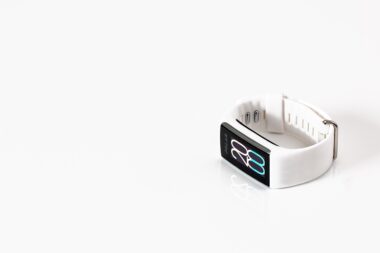
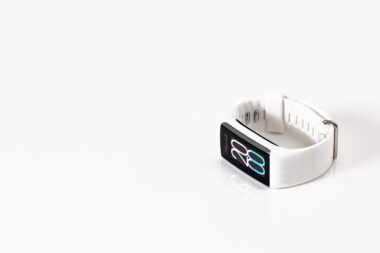
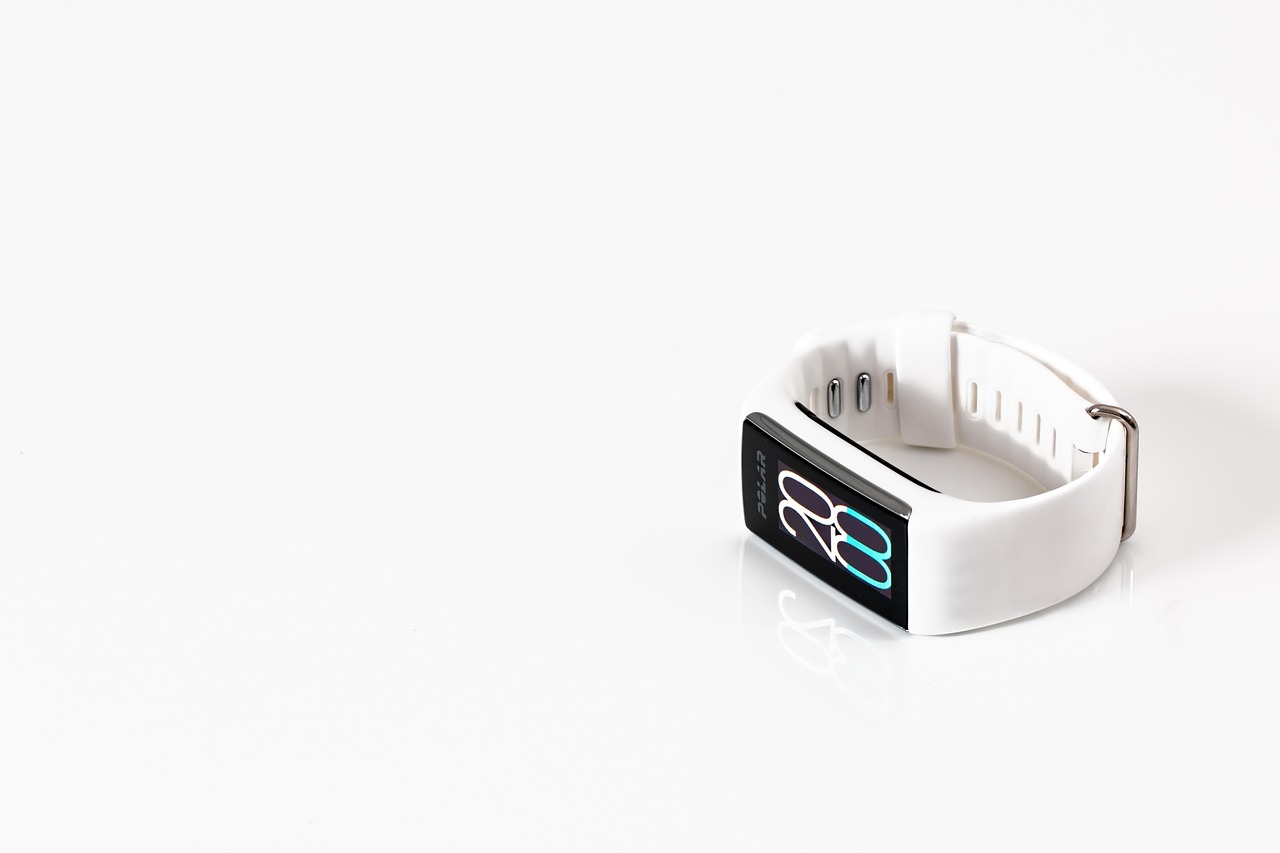
In recent years, fitness wearables have gained tremendous popularity, transforming how individuals monitor their health and wellness. These smart devices provide insights into various metrics, including heart rate, physical activity, and sleep quality. However, as reliance on these devices grows, so does the concern regarding personal data privacy. Users now find themselves at a crossroads, as they want the benefits of tracking their fitness while also safeguarding their sensitive information. Consequently, data privacy challenges arise as companies collect vast amounts of data from users. The intersection of fitness technology and data privacy calls for innovative solutions to ensure that individuals can enjoy the advantages of wearables without feeling vulnerable. An essential solution lies in the integration of artificial intelligence (AI) into data management strategies. AI technologies can help identify and mitigate risks associated with data breaches and unauthorized access. This article aims to explore the role of AI in enhancing data privacy for fitness wearables, shedding light on existing challenges and potential solutions that can empower users to reclaim control over their personal information.
Understanding Data Privacy Concerns
Data privacy concerns are increasingly relevant in the age of connected devices. Fitness wearables often require the collection and usage of sensitive data, which raises questions about who has access to this information. Moreover, data security breaches have become more common, putting user data at risk. This has led to growing anxiety among individuals about how their data is handled, stored, and used by companies. Users frequently ask questions such as: Who collects my data? How is it processed? Can it be shared with third parties without my consent? The answers to these questions can determine whether users trust devices or shy away from them altogether. Companies must adopt transparent practices that build consumer trust while explaining how their data privacy policies work. Ensuring compliance with data protection regulations like GDPR is crucial. Many wearables lack clear privacy policies, leaving users unaware of their data rights. AI offers a means to not only comply with regulations but also to put privacy measures in place that safeguard users while fostering trust in fitness technology.
AI’s ability to analyze and classify large sets of data provides an efficient way for companies to manage sensitive information collected via fitness wearables. By leveraging machine learning algorithms, data can be automatically categorized, helping to identify profiling patterns or potential vulnerabilities in existing security measures. For instance, AI can detect abnormal behavior indicating potential data breaches and respond proactively. Furthermore, AI can predict emerging threats based on historical data, allowing companies to enhance their defenses continuously. Notably, AI-driven technologies can also help businesses customize privacy settings according to individual user preferences. This personalization helps enhance user experiences while simultaneously addressing privacy concerns. Companies can use AI to present tailored options for data sharing that allow users to control what information is accessible and who can access it. By making data usage and consent more explicit, organizations can foster a positive landscape where users feel they have agency over their data. As AI continues to evolve, its implication for privacy management in fitness wearables will inevitably become more pronounced, offering new levels of protection that were previously unattainable.
Empowering User Control
Empowering users to control their data is paramount in addressing privacy concerns associated with fitness wearables. AI can facilitate this empowerment by creating intuitive user interfaces that simplify data management tasks. These interfaces allow users to specify what data they wish to share, with whom, and for what purposes. By leveraging visual cues and interactive elements, users can easily grasp complex privacy settings and make informed decisions about their data. Additionally, AI can automate privacy settings based on individual preferences, frequently adjusting them as users engage with different applications or platforms. This level of customization can facilitate more comprehensive control over sensitive information and ease the burden of managing privacy manually. Furthermore, AI can enhance transparency by providing insights into data usage and offering reminders to users regarding data-sharing agreements. This active engagement keeps users informed and encourages them to participate in their data management actively. With AI-driven solutions initiated in fitness wearables, a fundamentally different relationship between users and their data emerges, characterized by trust, control, and confidence.
Developing AI algorithms that prioritize data privacy requires collaboration between engineers, ethicists, and legal experts to ensure all perspectives are considered. Ethical AI must guide the decision-making processes involved in data management. This means exploring how AI can operate effectively without infringing on user rights or creating biases based on data profiling. Incorporating ethical principles into AI systems for fitness wearables entails specifying clear boundaries for data collection. One critical aspect to examine is how data collected can be anonymized or aggregated to protect user identity. Advanced AI technologies can help identify when data can be safely anonymized while still enabling relevant analytics without compromising individual privacy. Companies can leverage these advanced methods to foster a culture of privacy and social responsibility. Regarding compliance with legal frameworks, understanding the implications of incorrect AI usage is essential. A significant focus must be placed on refining AI frameworks, focusing on making them not only compliant but also user-friendly. By engaging stakeholders in these conversations, companies can generate more public trust about where and how their data is utilized.
The Future of Fitness Wearable Privacy
As fitness technology continues to advance, the future of data privacy in wearable devices looks promising yet complex. AI will play a significant role in shaping policies and practices designed to protect user data. Forward-thinking companies are beginning to recognize that prioritizing data privacy and security measures can serve as a unique selling point. Leveraging AI to enhance users’ trust in their wearable devices will become a competitive advantage. Furthermore, we may see an increase in regulatory frameworks that support the ethical use of AI within fitness wearables—guiding how data is collected and stored. In tandem, awareness campaigns may emerge to educate users about their rights and how to secure their privacy. These initiatives are essential for maintaining a loyal customer base and have implications for the overall marketability of wearable technology. Innovations in AI could also lead to standardized protocols within the industry, offering best practices for data utilization while respecting user privacy. Ultimately, integrating AI into data privacy management will empower users while encouraging a shift towards greater accountability among manufacturers.
In conclusion, the intersection of fitness technology and data privacy presents unique challenges and opportunities for personal and corporate responsibility. As wearable devices proliferate, ensuring user safety through stringent data privacy measures becomes non-negotiable. Incorporating AI into privacy management practices presents solutions that foster transparency while protecting users. By equipping users with better control over their data and enhancing security protocols, companies can navigate the complex landscape of fitness wearable data privacy. AI enables organizations to streamline their data practices while anticipating potential vulnerabilities and addressing them proactively. This dual focus not only helps protect consumers but also establishes credibility in the marketplace. Moreover, consumers driven by privacy concerns will undoubtedly explore alternatives if their needs are not met to their satisfaction. Therefore, fitness wearable companies must embrace AI not just as a technological tool but as an integral partner in meeting regulatory and ethical standards surrounding data usage. By making user privacy a priority and leveraging AI, the fitness technology industry can lead the way in creating a secure, trustworthy future for wearable health and fitness tracking.
Moreover, as AI continues to evolve, the methodologies for analyzing user data will become more efficient and robust. By constantly learning from interaction patterns, AI can refine its algorithms to provide better suggestions for privacy enhancements, making it easier for users to protect their information. This ability to adapt creates a dynamic framework for privacy management, which can evolve as new threats emerge in data security. Ultimately, technologies of this sort reflect a growing recognition of the importance of user autonomy and consent in the digital landscape. Integrating AI with existing legal frameworks, ethical guidelines, and user experiences holds the potential for a fluid negotiation of privacy preferences tailored to the user. With AI harnessing the power of data analytics and machine learning, the path forward could involve assisting users in understanding their privacy rights clearly. As awareness continues to grow, the demand for integrated AI solutions in fitness wearables is destined to rise. In conclusion, the marrying of AI technology and data privacy creates a potential for a future where fitness wearables respect individual freedoms while providing users with the benefits of health monitoring.