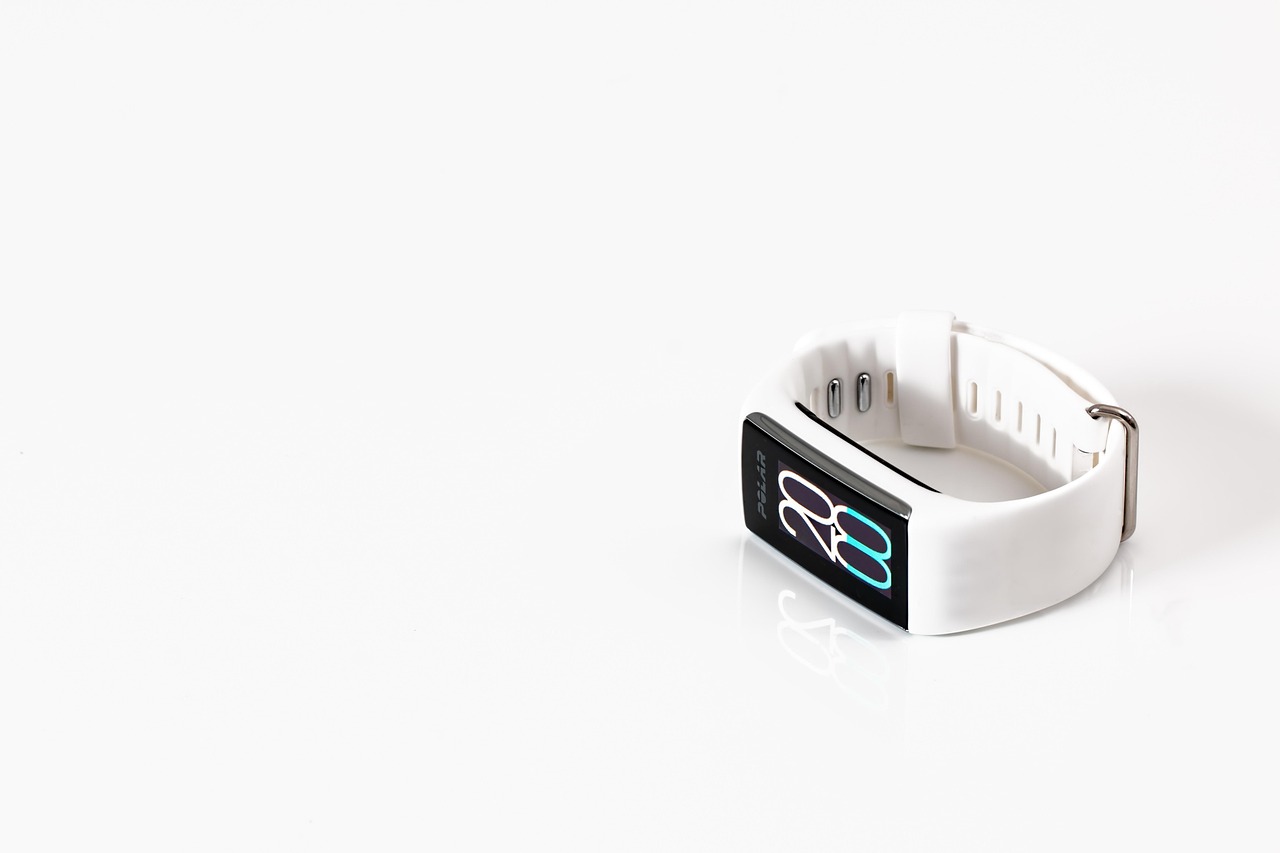

The Role of Premium Wearables
In recent years, premium fitness wearables have transformed how individuals approach their health and wellness goals, particularly in nutrition and hydration tracking. These technologically advanced devices offer comprehensive insights that allow users to personalize their fitness journeys. By continuously monitoring various health metrics, such as heart rate, sleep patterns, and calorie expenditure, wearables take personalized nutrition to the next level. Users can access nutritional data that aligns with their personal goals, ensuring they meet their specific dietary requirements. With AI integration, these devices can also suggest dietary adjustments based on real-time data analysis. Moreover, hydration tracking is essential for maintaining optimal performance, especially during physical activities. Premium wearables provide reminders to drink water and can even track fluid intake throughout the day. This innovative approach encourages users to stay hydrated, thus enhancing their overall performance. Consequently, it’s no surprise that many fitness enthusiasts and casual users alike are investing in these advanced devices, realizing they offer valuable data that can be transformed into actionable insights. This personalization helps users stay motivated and engaged with their health goals, significantly improving their overall wellness journey.
The impact of premium fitness wearables extends beyond mere tracking; they create an ecosystem for promoting better nutritional habits. Many of these devices come equipped with companion apps that allow users to log food intake seamlessly. These apps not only track what you eat but also analyze nutrients and suggest healthier substitutes when necessary. Equipped with barcode scanning technology, users can easily input their food choices, thus receiving instant feedback on their nutritional content. Achieving optimal health is often tied to understanding food choices better, making this feedback invaluable. Moreover, features such as calorie tracking and macro management help users align their nutrition with their fitness goals effectively. By offering tailored advice, premium wearables empower users to make informed decisions about their diet. As users engage with their nutritional data, they foster a deeper awareness of their dietary habits. Ultimately, this increased awareness translates to improved eating patterns, reducing the risks associated with poor nutrition. The seamless integration of technology into daily routines paves the way for a more structured approach to wellness that caters to individual needs and preferences.
Hydration Tracking Benefits
Hydration is a crucial component of any fitness regimen, and premium wearables excel in helping users optimize their fluid intake. Many devices feature built-in hydration trackers that monitor water consumption throughout the day, making it easier for users to stay on top of their hydration goals. Understanding individual hydration needs can significantly impact physical performance; dehydration can lead to fatigue and decreased efficiency. By providing personalized hydration recommendations based on activity levels, temperature, and individual metrics, wearables ensure that users remain adequately hydrated. Furthermore, wearable technology often links up with other health apps to offer a comprehensive view of users’ overall wellness. By contextualizing hydration within the framework of an individual’s physical activity and nutrition, wearables deliver necessary insights to enhance performance. Additionally, the devices are designed to send reminders for hydration based on the user’s activity level and daily goals. These proactive features ensure that maintaining hydration becomes a priority rather than an afterthought. This level of attention encourages active participation in one’s health journey, ultimately leading users to experience the benefits of consistent hydration in their daily lives.
As the demand for personalized health tracking solutions continues to rise, developers of premium wearables are enhancing the functionality available to users. Many modern wearables utilize cutting-edge technologies such as AI and machine learning algorithms to deliver personalized insights. These advancements allow the wearables to assess historical data, making informed suggestions about nutrition and hydration tailored to each user. For instance, if data indicates lower energy levels or insufficient hydration, the device can generate actionable recommendations on what to eat or drink. This powerful functionality strengthens users’ relationships with their health choices, fostering a proactive approach. Furthermore, premium wearables enable community features that support users on their fitness journeys. These features often include challenges, group activities, and forums for sharing nutrition strategies, promoting a supportive environment. As users share their experiences and outcomes, they are often more motivated to stay committed to their goals. The sense of community fosters accountability and drives collective improvement, encouraging healthier lifestyles. By connecting users with others who share similar goals, premium fitness wearables redefine how individuals navigate their health journeys.
Integration with Nutrition Apps
The ability of premium wearables to integrate seamlessly with various nutrition and wellness apps further elevates their functionality. Through integration, users can access advanced features and insights that are pivotal for comprehensive health management. Digital platforms that specialize in meal planning, calorie counting, and nutrient tracking can connect with wearables for a more cohesive experience. This integration allows for real-time updates on both nutrition and hydration levels, ensuring that users have a reliable overview of their dietary habits. By analyzing data from multiple sources, wearables are better equipped to provide personalized recommendations tailored to users’ evolving needs. Moreover, nutritional data from these apps is invaluable for users looking to achieve specific fitness goals, such as weight loss, muscle gain, or enhanced athletic performance. Gone are the days of one-size-fits-all advice; today’s premium wearables cater to the unique preferences and requirements of each user. As a result, personalized nutrition tracking becomes a cornerstone of success in achieving one’s fitness objectives, enabling users to continually adapt and focus in their journey toward optimal well-being.
A substantial benefit of premium wearables lies in their ability to collect and analyze vast amounts of user data over time. This data accumulation signifies a significant advantage over traditional methods of tracking nutrition and hydration. By reviewing historical trends in diet and hydration, users gain insights into their own behaviors and outcomes, identifying what works best for their bodies. Premium fitness wearables facilitate this by providing easy access to records, charts, and metrics that demonstrate patterns over time. This level of granularity empowers users to adapt their nutrition and hydration strategies as needed, ensuring long-term success. For instance, if a user notices their hydration levels drop during particular activities, they can proactively modify their routines or increase their fluid intake beforehand. Furthermore, this analytical capability transforms the awareness surrounding nutritional needs, encouraging users to develop healthier, sustainable eating habits. Empowered by insights culled from their own data, users become stewards of their health, enabling them to make intelligent, informed choices fostering overall well-being. As much as wearables enhance tracking, their real strength lies in promoting personal growth through knowledge and understanding of one’s health journey.
The Future Outlook
The future of premium fitness wearables seems promising as technology continues to advance at an unprecedented pace. Not only are manufacturers constantly innovating to deliver improved features, but emerging technologies such as artificial intelligence and biometric sensors are set to further revolutionize the space. For instance, wearables will likely expand their capabilities to include more sophisticated hydration and nutrition tracking, possibly implementing real-time biomarker analysis. Such advancements could deliver even more accurate and personalized recommendations for users. Imagine a wearable that could recommend hydration levels while considering real-time physiological changes, leading to safer and more efficient workout regimes. Additionally, collaborations among tech companies, nutrition experts, and fitness professionals can pave the way for comprehensive wellness solutions that address both nutrition and hydration holistically. Increased awareness around preventive health measures will also encourage more users to opt for premium options, understanding their long-term benefits. As the market continues to evolve, it is essential for users to remain informed about the features offered by these wearables, recognizing how they can enhance overall health and fitness journeys. In this rapidly changing landscape, staying at the forefront of innovation will empower users to make informed, beneficial choices.
In conclusion, premium fitness wearables play a pivotal role in personalized nutrition and hydration tracking. These devices not only monitor essential health metrics but also offer tailored insights that help users make informed dietary choices. By integrating hydration tracking capabilities and collaborating with nutrition apps, wearables foster a greater sense of accountability towards health goals. As technology continues to evolve, these wearables will incorporate more advanced features that promote long-term wellness. Ultimately, the data-driven approach enables users to fine-tune their nutrition and hydration to suit their fitness objectives effectively. By harnessing the power of technology, individuals can cultivate healthier habits, resulting in a more sustainable lifestyle. As premium wearables gain traction, users will enjoy an enriched experience, seamlessly connecting their health and fitness journey together. More than just a trend, these devices emerge as essential tools for anyone serious about enhancing their overall wellness. Embracing personalized tracking leads to better awareness and engagement with one’s health, fostering lifelong benefits. Looking forward, the synergy between technology and personalized health will continue to shape fitness narratives, encouraging healthier living practices for generations to come.