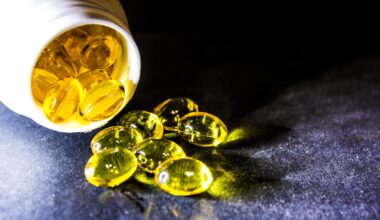

The Role of Probiotics in Combating Jet Lag for Traveling Athletes
Traveling athletes often face the challenge of jet lag, which can significantly affect their performance and recovery. Jet lag arises when there is a disruption in the body’s internal clock due to crossing multiple time zones. This leads to fatigue, insomnia, and decreased focus. Probiotics, which are beneficial bacteria found in certain foods and supplements, can play an important role in alleviating these symptoms. By supporting gut health, probiotics may help modulate the stress response associated with travel. Key strains like Lactobacillus and Bifidobacterium are known for their ability to enhance digestive health, ultimately benefiting overall well-being. Athletes require a well-functioning gut to optimize nutrient absorption crucial for performance. The use of probiotics can improve recovery time after long flights, assisting in restoring normal sleep patterns disrupted by time zone changes. Additionally, they may boost the immune system during stressful travel. Incorporating a good-quality probiotic supplement into the athlete’s diet could serve as an effective strategy for tackling jet lag and maintaining optimal performance levels.
Understanding Probiotics and Their Benefits
Probiotics are live microorganisms that confer health benefits when consumed in adequate amounts. They primarily support gut health, enhance digestion, and boost immunity. In the context of sports, a healthy gut microbiome is essential as it plays a crucial role in nutrient absorption and energy metabolism. Activated probiotics can produce short-chain fatty acids, which help reduce inflammation, thus promoting recovery in athletes. Furthermore, they can help prevent gastrointestinal discomfort commonly associated with intense training and travel. This is particularly important for athletes whose performance might be hindered by gut-related issues. Probiotics work by restoring the natural balance of good bacteria in the gut, which can be disrupted by stress, poor diet, or antibiotic use. Many athletes opt for supplements to easily incorporate probiotics into their daily routines. These supplements often come in various forms, including capsules, powders, and fermented foods like yogurt or kefir. With the growing body of evidence supporting their benefits, probiotics are becoming increasingly popular in sports nutrition. Travel can put considerable stress on an athlete, but probiotics may help mitigate these effects.
Jet lag is not merely a matter of sleep disruption; it impacts hormonal balance and cognitive function. A significant body of research suggests that gut health directly influences mood and cognitive capabilities through the gut-brain axis. Probiotics facilitate the production of neurotransmitters such as serotonin, which can improve mood and mental clarity. For athletes, maintaining a positive mental state is essential, especially when competing under pressure. Restoring and maintaining this balance is crucial as athletes transition to new time zones. Additionally, specific probiotic strains can aid in reducing stress-induced fatigue. By managing the potential side effects of jet lag, probiotics help maintain focus, allowing athletes to perform at their best even after hefty travels. The importance of mental sharpness cannot be underestimated, particularly when competing. Thus, the potential positive effects of probiotics on mood and cognitive function should not be overlooked in sports nutrition. A clear mind allows athletes to make quick decisions, react faster during competitions, and overall enhances their performance. Consequently, an athlete’s diet should be consistent with supplementation aimed at promoting gut health to combat jet lag effectively.
Practical Use of Probiotics for Athletes
For athletes looking to integrate probiotics into their routine, timing and dosage are essential considerations. As each individual may react differently, starting with a low dose and gradually increasing is advisable. Consistency is key; regular intake is vital for experiencing the full benefits over time. Many experts recommend taking probiotics daily, particularly during travel, with a focus on strains that have been clinically researched for their effectiveness in alleviating jet lag symptoms. Athletes should look for products containing Lactobacillus and Bifidobacterium species, known for their resilience against harsh conditions, including stomach acid. Consuming these probiotics in conjunction with a nutrient-rich diet helps maximize their effectiveness. Besides, including fermented foods in the diet can also provide necessary probiotics. Foods like yogurt, kimchi, or sauerkraut are delicious sources of live organisms that contribute positively to gut health. Staying hydrated during travel is also vital to support gut function. Therefore, athletes should consider pairing hydrating beverages with their probiotic intake, particularly during long flights or periods of inactivity. This holistic approach can assist athletes in managing jet lag symptoms more effectively.
In addition to probiotics, maintaining a balanced diet is crucial for combating jet lag effectively. Nutrient-dense foods can strengthen the immune system and restore energy levels. Athletes should focus on consuming complex carbohydrates, lean proteins, and healthy fats, which together facilitate optimal nutrient absorption. Incorporating foods rich in magnesium and vitamin B can also promote better sleep, aiding in the reestablishment of normal circadian rhythms disrupted by travel. Additionally, electrolyte-rich drinks help combat dehydration during flights, enhancing overall performance. Proper nutrition combined with probiotics can create a synergistic effect that positively impacts an athlete’s resilience during stressful travel. While probiotics can help restore gut flora, a wholesome diet strengthens overall health. Therefore, athletes must find a balance between supplementation and whole foods. Along with hydration and nutrition, engaging in a good stretching routine can also help relieve travel-related stiffness. Making healthy choices while traveling is critical for acclimatization and recovery. Ultimately, a well-rounded approach comprising probiotics, nutrition, hydration, and physical activity is vital for athletes to best manage the effects of jet lag.
Final Considerations on Probiotics and Performance
As research evolves around the role of probiotics in sports nutrition, it becomes clear that their benefits extend beyond gut health. The potential of these microorganisms to enhance an athlete’s physical and mental performance is increasingly being recognized. By taking control of gut health, athletes can influence their overall well-being, which can significantly affect their performance levels. Jet lag may not be preventable, but its symptoms can be managed effectively through the incorporation of probiotics into daily routines. Probiotics can offer an essential strategy for athletes aiming to optimize their recovery and performance during travel. It is also essential to consult with healthcare professionals before starting any new supplement regimen, particularly for athletes with specific health conditions. Each athlete’s needs differ, and personalized supplementation can yield better outcomes. Additionally, practical strategies such as maintaining a regular sleep schedule and minimizing caffeine intake can complement the benefits of probiotics. Ultimately, embracing a thorough understanding of these supplements and their incorporation into routines allows athletes to enhance their travel experiences and ensure that they remain in peak performance throughout the season.
In conclusion, the role of probiotics in combating jet lag cannot be understated for traveling athletes. They offer a natural approach to maintaining gut health and overall wellness during intense travel schedules. By incorporating probiotics into their daily regimen, athletes can pave the way for optimal digestion, improved recovery, and enhanced performance. Furthermore, as public awareness of the benefits of probiotics grows, athletes and coaches should explore holistic approaches to nutrition and supplementation. Understanding how beneficial gut bacteria interact with various biological processes is essential for optimizing health and performance. Integrating these knowledge facets can empower athletes to make informed decisions regarding their nutrition strategies. While probiotics play an important role, they should be part of a broader integrative approach that includes proper nutrition, hydration, rest, and physical activity to counteract jet lag’s effects. By recognizing the intricacies of gut health and leveraging probiotics effectively, athletes can stay ahead of the curve, ensuring resilience even during travels. With a comprehensive plan involving diet, supplementation, and mindful practices, athletes can navigate their journeys with ease, remaining focused on their goals.
References and Sources for Further Reading
For those interested in further exploring the benefits of probiotics in sports nutrition, various resources are available. Scientific journals, articles, and nutrition-focused websites provide extensive information. Publications like the Journal of Sports Science & Medicine often include studies focused on probiotics and their impact on athletic performance. Additionally, organizations such as the International Society for Sports Nutrition offer guidelines and recommendations on supplementation. Nutritional databases and trusted health sites like the Mayo Clinic also host valuable information on gut health and probiotics. Athletes seeking personalized advice should consider speaking with a sports nutritionist or dietitian familiar with probiotics. They can provide tailored recommendations to best suit individual health needs and goals. Moreover, books on nutrition and sports performance can serve as excellent guides for understanding how diet influences athletic capabilities. It’s essential for athletes to remain informed and proactive about their overall health. By seeking out credible sources and staying educated about the latest research, athletes can effectively use probiotics within their nutrition strategies. This ensures that they maintain a competitive edge and achieve peak performance across various events.