
The Science Behind Shoulder Mobility and Athletic Performance
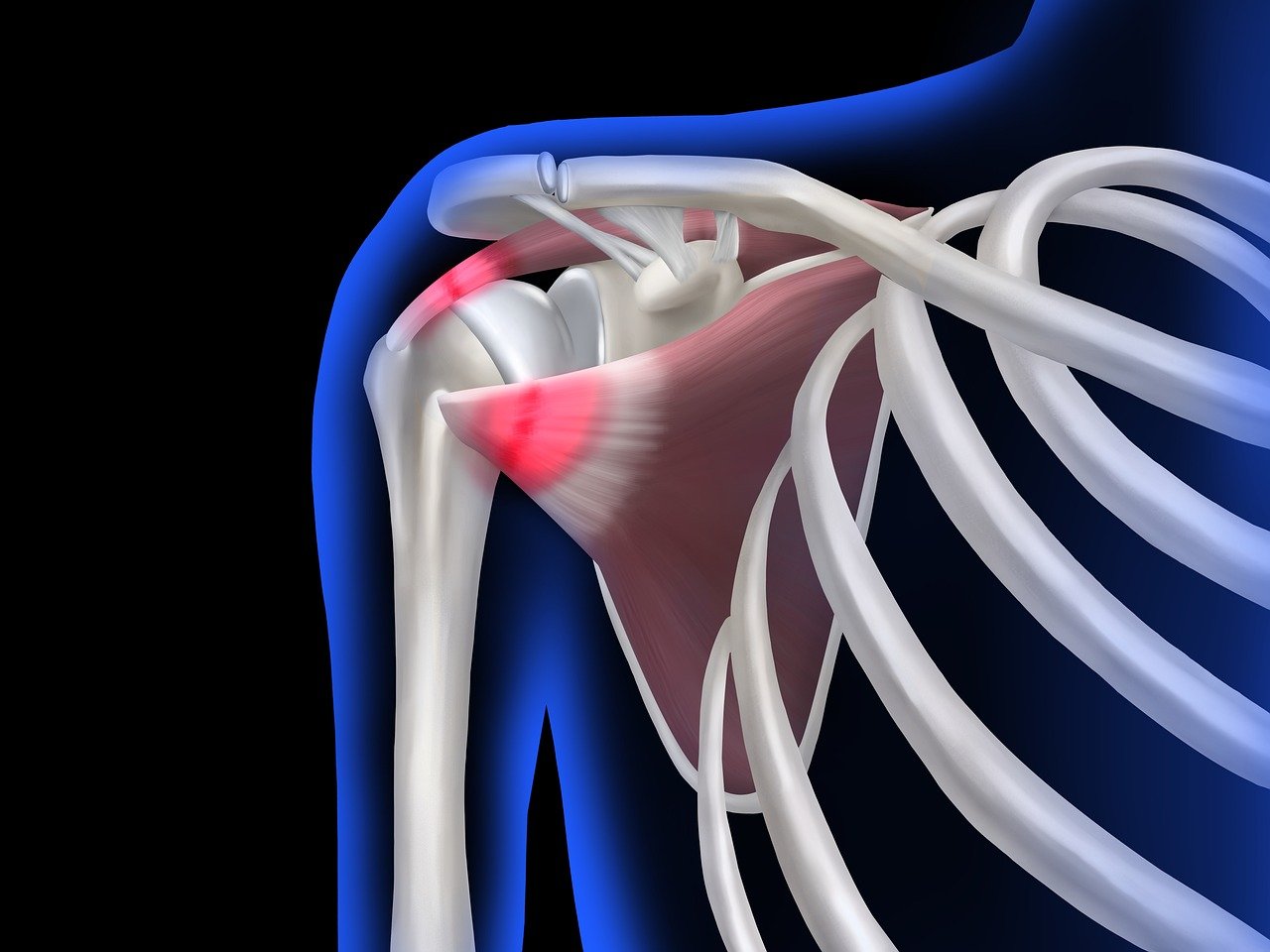
Shoulder mobility plays a crucial role in athletic performance. The complexity of the shoulder joint, which is made up of multiple bones, tendons, and muscles, allows for a wide range of motion, making it essential for various sports. Improved shoulder mobility can lead to better performance in activities like swimming, tennis, and weightlifting. Athletes often experience limitations due to tightness or stiffness, which can impede their ability to execute movements effectively. Understanding the importance of shoulder mobility helps in the development of training programs tailored to enhance flexibility. Focusing on exercises that promote shoulder movement can lead to functional improvements. Additionally, enhancing shoulder flexibility reduces the risk of injuries. Athletes with better range of motion generally experience fewer strains and tears. Thus, prioritizing shoulder mobility in training regimens is beneficial. Coaches and trainers must incorporate specific drills targeting this area. Preparing athletes for competition involves detailed assessments of their shoulder mobility. Therefore, investing time and effort into improving this aspect of physical fitness is not only advantageous but essential for optimal athletic performance.
Achieving optimal shoulder mobility requires a systematic approach. One of the foundational concepts involves understanding the impact of muscle tightness. Tight muscles can restrict movement, causing compensatory patterns that may lead to injuries. Therefore, incorporating stretching routines into training is vital. Dynamic stretches, such as arm circles and cross-body reaches, actively enhance flexibility. On the other hand, static stretches, including doorway stretches and pec stretches, help maintain muscle elasticity. It’s equally important to engage in strengthening exercises that support the stabilizing muscles around the shoulder. Exercises like rotator cuff strengthening are essential. Additionally, balance and coordination drills can enhance overall shoulder function. Beyond exercises, proper warm-up protocols significantly contribute to shoulder mobility. Athletes should prioritize warming up before engaging in any rigorous activities. Moreover, understanding one’s unique anatomical structure aids in modeling mobility routines tailored to individual needs. Flexibility assessments, like the shoulder flexion test, can help gauge progress. Incorporating foam rolling techniques can further enhance recovery and mobility between workouts. Overall, systematic development of shoulder mobility is crucial for every athlete aiming to improve performance and reduce injury risk.
Importance of Flexibility in Athletes
Flexibility is a cornerstone of athletic performance that significantly influences overall capabilities. Without adequate flexibility, athletes may struggle to execute movements effectively. Shoulder flexibility directly correlates with the motor skills required in many sports. In sports like baseball, tennis, and gymnastics, the ability to move freely allows for optimal performance. Poor shoulder flexibility can result in decreased range of motion, leading to less power and precision. Furthermore, flexibility serves as a protective mechanism against injuries. When joints and muscles can stretch and contract without restrictions, the risk of strains or tears diminishes substantially. Regular flexibility training enhances blood circulation in the shoulder region, promoting quicker recovery. Additionally, it fosters improved posture and alignment, reducing the likelihood of pain or discomfort during training sessions. A well-rounded fitness regimen that integrates flexibility exercises can help athletes achieve their peak performance levels. The physical demands of competitive sports necessitate strategic approaches to flexibility training. Therefore, trainers must prioritize developing interventions focused not just on strength but also on mobility. Overall, enhancing shoulder flexibility must be an ongoing commitment for those serious about improving athletic performance.
Various techniques can be employed to enhance shoulder mobility. First of all, resistance band exercises are highly effective. Resistance bands provide variable resistance, which helps in gradually increasing range of motion. Some effective band exercises include shoulder external rotations and scapular retractions. Moreover, yoga serves as a comprehensive approach to flexibility and mobility. Specific poses, like the downward dog and eagle arms, target shoulder joints effectively. Another technique involves using myofascial release methods. Foam rolling and massage balls can help alleviate muscle tightness in the shoulder region. These techniques improve blood flow and promote recovery. Moreover, incorporating stability ball workouts helps strengthen core and shoulder muscles, thereby enhancing mobility. Performing exercises like wall slides performs wonders for shoulder function too. It’s essential for athletes to regularly incorporate these variations into their routines. Training should focus on functional movement patterns as well, which mimic real-world athletic scenarios. Integrating these approaches creates a synergistic effect that promotes mobility and performance. Nonetheless, athletes must remain consistent in their training approaches. Haphazard routines yield limited results; intentional practice over time is required for significant improvements.
Assessing Shoulder Mobility
Effective assessment of shoulder mobility is crucial for tailoring training programs. Various tests are available to accurately evaluate an athlete’s shoulder range of motion. A commonly used method is the overhead reaching test, which involves raising arms overhead while keeping the back straight. This evaluation provides valuable insight into flexibility. Another effective assessment is measuring internal and external rotation using a goniometer. These tests help identify any restrictions and areas that require attention. The results highlight both strengths and weaknesses in shoulder mobility. Furthermore, athletes should undergo regular assessments for progress tracking. A systematic measurement over time demonstrates the effectiveness of interventions and aids in adjusting training. This information becomes pivotal in the design of personalized mobility programs. Incorporating these assessments into routine training helps maintain accountability. Additionally, it encourages athletes to focus on their mobility goals. Coaches often utilize these evaluations to pinpoint limiting factors in an athlete’s performance. Thus, regular evaluation contributes greatly to enhancing athletic capabilities. Trainers should emphasize the importance of being proactive in addressing mobility limitations. Continuous monitoring allows for on-the-spot modifications, ensuring optimal performance outcomes.
Incorporating mobility training into workouts enhances shoulder function effectively. Athletes must understand that neglecting shoulder mobility ultimately leads to poor performance and higher injury risks. Properly integrated mobility exercises can significantly increase joint range of motion. Moreover, athletes should prioritize quality over quantity in their training. Focused mobility sessions, even if brief, can yield substantial benefits. As an example, dedicating just 10 to 15 minutes to mobility work is sufficient for most athletes. Additionally, each athlete has unique needs and may respond differently to focused training. Individualizing the program according to assessed mobility levels ensures more effective outcomes. Engaging in mobility training should promote not just flexibility but also strength and endurance. Combining these elements creates well-rounded athletes. Incorporating these workouts into regular training sessions inspires adherence and boosts progress. The key lies in consistency! Also, regular feedback from coaches and trainers helps maintain the right trajectory in mobility plans. Empowering athletes with knowledge about their body promotes accountability. Finally, celebrating small milestones keeps motivation high as athletes work towards their flexibility goals. Thus, well-executed mobility training is transformative for athletes of any level.
Long-Term Benefits of Improved Shoulder Mobility
Improving shoulder mobility yields numerous long-term benefits for athletes. Enhanced flexibility not only increases physical performance but also ensures longevity in sports careers. Athletes who prioritize shoulder mobility frequently experience reduced joint pain, improving their overall comfort during activities. Such benefits help maintain their physical well-being, encouraging them to engage in sports longer. Furthermore, improved shoulder function can enhance strength levels. When athletes possess a greater range of motion, they can apply force more effectively. This advantage translates to better performance across various disciplines. Additionally, developing shoulder mobility translates to enhanced athletic versatility. This versatility allows athletes to switch between different sports or activities without limitations. Hence, improved mobility fosters a highly adaptable athlete ready for multiple challenges. Regular mobility training also contributes to long-lasting muscle health. It combats age-related stiffness and decline, promoting better overall fitness. These long-term advantages underline the necessity of investment in shoulder mobility workouts. Coaches and trainers must recognize the profound effects improved flexibility has on the athletes they guide. Ultimately, encouraging a culture of mobility training ensures athletes thrive in their chosen sports, enjoying both performance and health benefits.
In summary, the significance of shoulder mobility cannot be overstated. From foundational performance to injury prevention, it plays a vital role in the athletic journey. Athletes and trainers must take a proactive approach in cultivating flexibility. Therefore, the incorporation of targeted mobility training is essential for success. Each athlete’s unique needs must be addressed through personalized and consistent programs. Long-term benefits provide incentives to maintain this commitment. The continuous evaluation of mobility fosters accountability, ensuring optimal outcomes. Athletes who embrace a culture of flexibility and mobility find they experience fewer injuries and more impressive performances. Ultimately, investing time into improving shoulder mobility guards against potential setbacks, paving the way for long-lasting athletic achievements. As an essential component of fitness, shoulder mobility should take precedence in any training regimen. Coaches must play an active role in promoting its importance. By prioritizing shoulder mobility, athletes can unlock higher levels of performance. The journey towards improved flexibility is ongoing, creating opportunities for adaptation and success. So embracing this concept truly champions the development of both skill and strength in sports.