
Warm-up Exercises to Enhance Volleyball Serving Power
Warm-up exercises are essential for volleyball players aiming to enhance their serving power. They help in preparing the muscles and joints, reducing the risk of injuries. Among the many warm-up routines, some exercises specifically focus on boosting explosiveness, agility, and strength. Players need to prioritize exercises that engage the core, legs, and shoulders. Effective warm-ups incorporate dynamic stretching and mobility drills to improve range of motion. For instance, leg swings and arm circles effectively loosen up the muscles. They also promote blood circulation throughout the body. Including plyometric drills can be highly beneficial, as they simulate explosive movements involved in serving. Furthermore, involving quick footwork drills can enhance agility, which is critical when positioning for a serve. Each player should perform warm-ups for at least 10-15 minutes before training. This preparation enables the body to transition smoothly into more intense activities. Ensure to stay hydrated during warm-ups, as this is crucial for optimal muscle performance. Proper warm-up routines will significantly improve your gameplay and overall efficiency on the court, thus enhancing your volleyball performance.
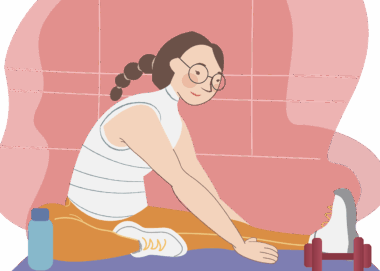
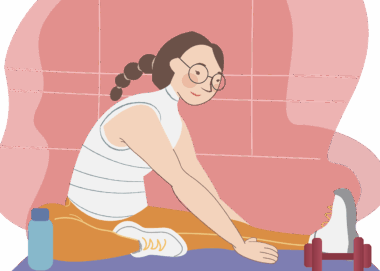
One of the most effective warm-up techniques is the “Hip Opener” exercise. This activity not only enhances flexibility but also helps in preparing the hips for powerful serving motions. To perform this exercise, players should stand on one leg and swing the other leg in and out, maintaining balance. Switch legs after about 15-20 swings. Ensure that each swing is performed in a controlled manner to prevent injury. Stretching exercises targeting the quadriceps and hamstrings are also crucial. The “Quad Stretch” involves standing on one leg, pulling the opposite foot toward the glutes. This motion stretches the front of the thigh, enhancing flexibility during serves. For hamstrings, players can perform the “Hamstring Stretch” while seated, reaching for toes to elongate and warm-up the back of the legs. Pair these stretches with some light jogging or skipping to elevate heart rates. This combination ensures that the muscles are adequately warmed up before serving practice. Incorporating resistance bands into some warm-up exercises can elevate their intensity, ultimately improving strength and stability. Effective warm-ups lead to better performance in matches and training sessions.
Dynamic Stretching Routine
Dynamic stretching is a vital part of any warm-up focused on enhancing volleyball serving power. Unlike static stretching, dynamic stretches promote movement while increasing blood flow to the muscles. A simple yet effective dynamic stretch is the “Walking Lunge”. In this exercise, players step forward into a lunge position, alternating legs as they advance across the court. Each lunge stretches the hip flexors and quadriceps, essential for strong serves. Another effective dynamic stretch is the “Arm Swing”. Stand tall while swinging arms in large circles, forward and backward. This movement enhances shoulder mobility, crucial for serving. Additionally, “High Knees” can be incorporated to activate the hip flexors further while building stamina. As players bring their knees high towards their chests, they also gain core stability. An important dynamic warm-up is the “Butt Kickers” drill, where players jog while kicking their heels toward their glutes. These exercises effectively prepare the body for the explosive movements needed during serves. Incorporating these dynamic stretches into your warm-up routine can lead to improved serving form and technique. Aim for a duration of 10-20 minutes for this routine.
Footwork drills are another critical aspect of volleyball warm-ups that significantly enhance serving power. They prepare players for quick movements on the court, which are essential for positioning during serves. One effective drill is the “Lateral Shuffle”, where players move side to side quickly, simulating movements required during a match. This drill enhances lateral quickness and agility, improving overall court coverage. Another drill to consider is the “Carioca Drill”, ideal for enhancing hip flexibility and coordination. Players move in a sideways motion, crossing over the legs while maintaining a brisk pace. Sprinting drills can also be beneficial, focusing on short bursts of speed. Players start at one end of the court and sprint to the opposite end, repeating several times. These footwork drills should be incorporated into the warm-up routine to increase effectiveness. Additionally, agility ladders can enhance foot speed and coordination. Practicing various footwork patterns on the ladder builds confidence and foot speed. Proper execution of these drills will not only enhance serving power but also contribute to overall athletic performance on the court.
Incorporating Strength Training
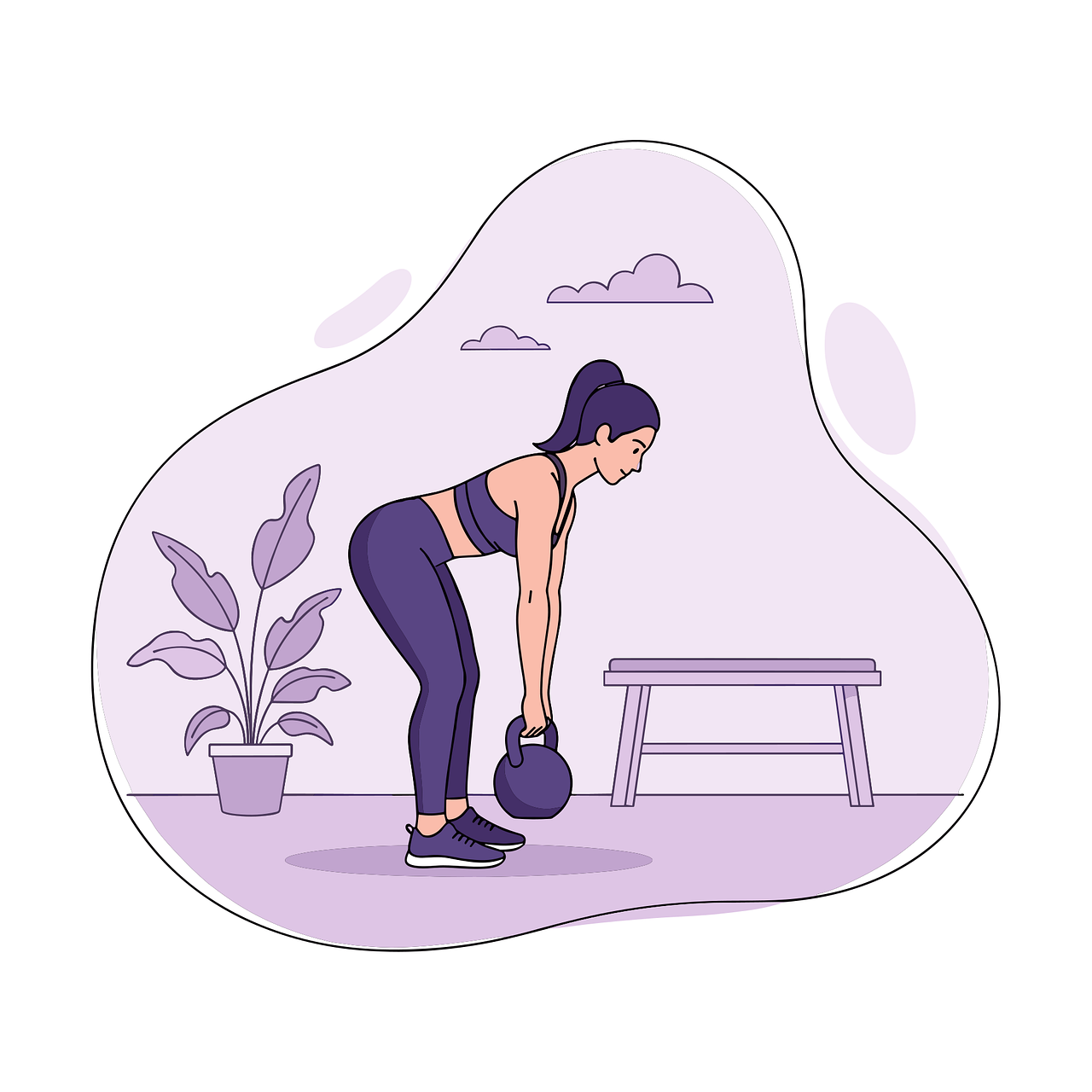
Strength training is an essential component that should accompany warm-up routines for volleyball players seeking to enhance their serving power. Incorporating bodyweight exercises like push-ups, squats, and planks into the warm-up can improve overall strength and stability. Push-ups help in building upper body strength, promoting powerful arm strokes during serves. The squat is effective in developing leg strength, crucial for maintaining balance and generating power during serves. Planks should be performed to build core stability, providing a solid foundation for explosive movements. An excellent way to combine strength training with warm-ups is through circuit workouts. Players can set up stations focusing on different strength exercises, moving quickly from one to another. This not only enhances strength but also improves cardiovascular endurance. Resistance bands can add an extra level of intensity to bodyweight exercises. Incorporating light weights during warm-ups should be done cautiously, ensuring that players avoid fatigue before their main training session. The focus should be on controlled movement and proper form, preparing both physically and mentally for the upcoming activities. The inclusion of strength training in this manner leads to more effective serving techniques.
Another vital warm-up exercise that enhances serving power is the “Medicine Ball Toss”. This dynamic exercise focuses on the explosive strength needed when serving in volleyball. Players should stand with their feet hip-width apart while holding a medicine ball, rotating their torso as they toss it against a wall or to a partner. This motion closely mimics the twisting action involved during a serve, helping develop the core and shoulder strength required. Alternatively, players can perform the “Overhead Medicine Ball Slam”, lifting the ball above their heads and forcefully slamming it down to the ground. This explosive movement builds power and can be particularly beneficial for serves. Each volleyball player should prioritize the development of explosive strength during warm-ups, as it plays a significant role in serving effectiveness. Additionally, intervals of intense drills followed by quick recovery are crucial for enhancing power. Switching from explosive movements to stability drills ensures balanced muscle development. These drills should be varied to keep the players engaged and motivated. A well-rounded warm-up focusing on explosive strength dramatically improves performance during actual games and practices.
Cooldown Importance
Lastly, ensuring a proper cooldown is just as important as warm-up exercises when training for volleyball. Many players often overlook cooling down, which can lead to muscle tightening and decreased flexibility. A proper cooldown incorporates static stretching that targets the muscles used extensively during serving and gameplay. Stretches for the shoulders, arms, and legs should be performed for 15-30 seconds to enhance recovery. Techniques like the “Shoulder Stretch” can prevent any post-training soreness, reducing injury risks. After intense training sessions, athletes can utilize foam rollers to relieve muscle tension and improve flexibility. Additionally, incorporating deep breathing exercises during cooldown is beneficial, allowing players to return to a resting state mentally and physically. This grounding practice will enhance relaxation, essential after an intense training session. Staying mindful during cooldown can help players reflect on their performance during training. Implementing both warm-up and cooldown strategies ensures a productive training experience. Healthy muscle recovery leads to improved power in serving techniques. Therefore, every volleyball athlete should prioritize both warm-up and cooldown within their training regimen for optimal performance.
In conclusion, warm-up exercises for volleyball do not only prepare the body for the physical demands that lie ahead, but they also help enhance serving power remarkably. By focusing on dynamic stretching, strength training, footwork drills, and proper cooldown routines, players can achieve a comprehensive workout that sets the foundation for success on the court. Warming up properly leads to better biomechanics and improved movement patterns, vital for executing powerful serves. Exercises such as the medicine ball toss and lateral shuffles can effectively activate the muscle groups most used in serving. Remember, consistency is key when it comes to these warm-up exercises. The more committed players are to their warm-up routines, the better prepared they will be for their training or game scenarios. Whether a casual player or an aspiring professional, everyone can benefit from implementing these warm-up strategies. It is essential to tailor these exercises to fit individual needs, ensuring an effective warm-up. As your serving power enhances, so will your overall performance and enjoyment of the game. Make every warm-up count towards achieving your volleyball goals.