
Exploring the Benefits of Healing Touch Therapy in Sports Recovery
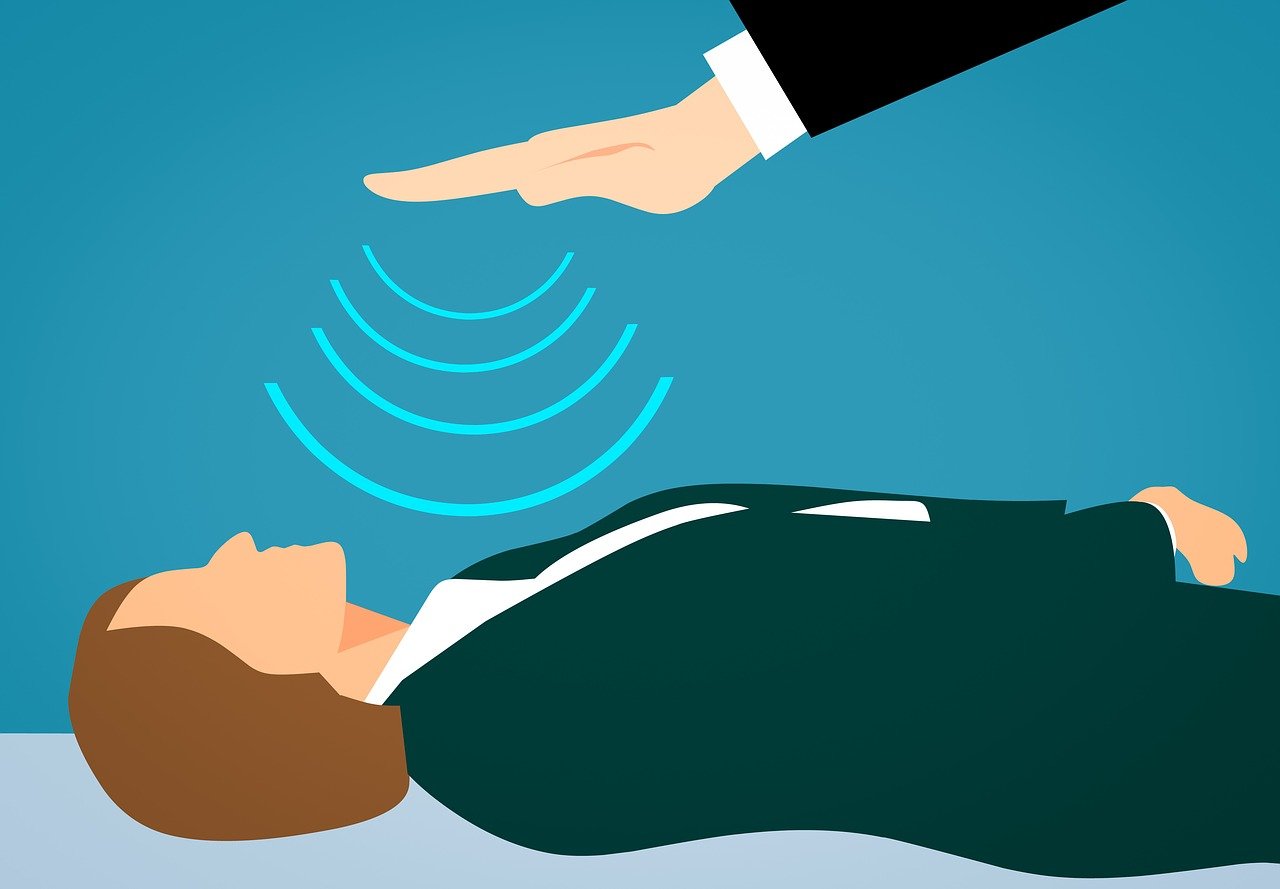
Healing Touch Therapy has gained popularity among athletes as a significant method for enhancing recovery. It involves the skilled use of gentle touch to balance energy in the body, creating a positive impact on overall well-being and facilitating healing processes. Athletes endure immense physical stress, which can lead to injuries, soreness, and fatigue. Healing Touch assists by promoting relaxation, reducing anxiety, and addressing pain. Best of all, this therapy can be integrated into various recovery regimens, making it flexible and adaptable to individual needs. Many professional teams are now incorporating complementary therapies like Healing Touch into their training schedules. As sports professionals become increasingly aware of holistic approaches, they opt for treatments that focus on both mental and physical health. Each session can support improved performance while assisting in injury prevention measures as well. Additionally, this therapy fosters a connection between the mind and body that encourages athletes to develop better awareness of their physical limits. Empowered by this knowledge, athletes can optimize their training and stay healthy for longer periods. Furthermore, by integrating Healing Touch into their routines, athletes can cultivate resilience against potential setbacks.
Another significant aspect of Healing Touch Therapy is its ability to assist in pain management. Athletes often experience chronic pain due to rigorous training and competition schedules. To address this concern, Healing Touch has shown effectiveness in alleviating discomfort and promoting relaxation. The therapeutic touch encourages blood flow and circulation, thus expediting the natural healing process within tissues and muscles. This increased circulation aids in flushing out toxins and reduces inflammation, which is particularly beneficial after intense workouts. Many athletes report feeling a profound sense of relief following sessions, allowing for smoother recovery. Integration with conventional medical practices further enhances its impact. By utilizing Healing Touch as a supplemental method, athletes can feel empowered in their recovery journey. It becomes a thoughtful part of an athlete’s wellness routine, directly contributing to improved mental states during rehabilitation periods. Moreover, the soothing touch often leads to deeper sleep patterns, essential for effective recovery. Quality rest dramatically impacts performance, enabling athletes to train at higher intensities consistently. This overall improvement showcases the potential benefits of Healing Touch not only for physical ailments but also for psychological states. Consistency in practice yields greater results that translates into athletic success.
The Scientific Basis of Healing Touch Therapy
The principles behind Healing Touch Therapy are rooted in various scientific studies that explore the human energy field. These studies indicate that every living organism radiates energy fields, and when these fields are disrupted, physical and emotional challenges arise. Healing Touch focuses on realigning these energy fields through gentle practitioners’ touch and thoughtful intention. This dynamic interaction helps restore balance and promotes self-healing. Athletes who utilize this therapy report enhanced performance and quicker recoveries after injuries. Research has shown that regular participation in Healing Touch sessions can potentially decrease pain levels and enhance overall energy levels among individuals. Stress reduction plays a key role, particularly in competitive sports, as high-stress levels can compromise performance. The emphasis on mindfulness during the therapy cultivates a greater sense of awareness. Therefore, athletes often develop stronger mental resilience, managing pressure situations more effectively. Moreover, practitioners customize sessions to meet each athlete’s unique needs, which significantly contributes to their success. This adaptability ensures that Healing Touch remains relevant and effective across a broad spectrum of sports and injury types. Consequently, its acceptance continues to grow within sports communities.
In addition to muscle soreness relief, Healing Touch Therapy effectively addresses emotional well-being through its calming effects. Athletes frequently face various pressures, whether from competition, training demands, or expectations. The mental strain can lead to burnout or anxiety, influencing performance and overall health. Healing Touch encourages deep relaxation, helping athletes connect with their feelings and fears, thereby promoting a healthy psychological environment. This personalized therapy approach allows practitioners to develop targeted sessions that cater to individual emotional landscapes, supporting athletes in navigating challenges. Positive emotional outcomes lead to deeper connections with oneself, fostering confidence and focus. Many athletes find that the coping mechanisms learned during these sessions can extend beyond sports, benefiting their daily lives. Personal development often accompanies physical recovery, showcasing how intertwined the mind-body connection truly is. By addressing emotional health during recovery periods, athletes become more equipped to handle unforeseen adversities. This holistic approach can create long-term benefits, demonstrating the importance of integrating mental strategies with physical training. Ultimately, emphasizing Healing Touch reinforces the understanding that body and mind must work in harmony to achieve athletic excellence.
Success Stories from Athletes
Numerous athletes have shared remarkable success stories related to integrating Healing Touch in their routines. They emphasize how the therapy has helped them recover faster from injuries, reduce anxiety levels, and contribute to overall performance enhancement. For instance, elite runners have reported improved race times following a regimen including Healing Touch sessions, claiming it allows them to compete at their best more consistently. Numerous athletes transition back to competition more smoothly after receiving treatment, feeling more balanced physically and mentally. Testimonials showcase how Healing Touch has created a sense of community among athletes, uniting them in a shared journey toward healing and recovery. Many experience heightened focus and motivation, which ultimately leads to improved performance during competitions. This practice transcends sports disciplines, from individual sports like tennis to team sports like basketball. Athletes consistently express gratitude for the human connection reinforced during sessions. This connection breeds trust, which becomes crucial when tackling physical and mental challenges. Such experiences often affirm this alternative therapy’s validity, encouraging a broader acceptance of Healing Touch in the sports arena. As stories unfold, they illustrate the possibilities of recovery and the exploration of new horizons in athletic performance.
Incorporating Healing Touch into pre-competition routines has also become common practice. Athletes often utilize this therapy as part of their mental warm-up process, allowing them to calmly transition into competitive mindsets. By promoting relaxation and clarity, sessions help athletes eliminate distractions that may hinder their performance. Central to this process is the ability to manage nerves, as a relaxed state can significantly enhance focus levels during high-pressure environments. Practitioners create a calming atmosphere, influencing how athletes perceive upcoming challenges. Over time, athletes may cultivate valuable coping mechanisms, fostering a strong mental connection with their bodies. These routines can help them develop predictable patterns they feel comfortable with, enhancing confidence on race day or match day. Furthermore, innovative research continues to emerge around the impact of Healing Touch on athletic performance, leading to increased interest from sports professionals. Teams around the globe are observing how complementary therapies can enhance traditional training regimens. The primary goal remains: to maximize athletes’ potential while nurturing their mental and emotional health. This continuous exploration reflects a growing acknowledgment of the importance of holistic health in maintaining long-term athletic careers.
Conclusion: Embracing Healing Touch in Sports Recovery
In conclusion, the integration of Healing Touch Therapy into sports recovery presents a breakthrough approach to improving athlete health and performance. Embracing this method acknowledges the connection between the mind and body while valuing complementary therapies. As athletes face challenges, the ability to draw on various resources becomes paramount. Healing Touch not only addresses physical pain and discomfort but also significantly impacts emotional and psychological health. Acknowledging that mental clarity enhances physical performance underscores the importance of embracing diverse techniques for overall wellness. As awareness of Healing Touch continues to grow, more athletes stand to benefit from its supportive avenues. Diverse sports disciplines benefit from the engaging experiences shared through Healing Touch sessions. Adopting this holistic view helps athletes navigate their journeys by developing strength, resilience, and awareness necessary for success. With extensive research backing its potential advantages, athletes and sports teams are recognizing the positive trajectory of integrating Healing Touch into their routines. The future is bright as more individuals acknowledge the significant role this therapy plays in their physical and emotional recovery processes, paving the way for a healthier athletic community. Ultimately, strive for balance as sports recovery techniques continue to evolve.
As the understanding of sports recovery grows, it’s clear that Healing Touch Therapy represents a significant step forward in holistic approaches. By focusing on energy balance and deep relaxation, athletes can experience a more rounded recovery journey. Innovations in sports science will increasingly incorporate such methods to ensure athletes have multifaceted support systems as they work toward peak performance. The potential benefits of Healing Touch will resonate throughout the athletic community, establishing a culture of well-being that prioritizes the interdependence of mind, body, and spirit in sports recovery. This evolution in mindset can inspire every athlete to foster resilience, encouraging a growth-oriented perspective on their recovery journeys. The conversation around Healing Touch is only beginning, with ongoing studies detailing its efficacy, helping refine methodologies for maximum benefit. Recognizing the importance of a balanced life extends to all aspects of training and performance. The more athletes explore integrative methods, the better equipped they become to tackle the demands of competitive sports. As this journey progresses, both personal and collective growth will thrive, cementing Healing Touch as an integral part of sports recovery practices. The future of athletics awaits as expanded horizons emerge through comprehensive healing methodologies.