
How to Use Breathing to Relieve Tension in the Spine
Breathing plays a pivotal role in spine health and overall posture. Proper breathing techniques not only enhance the body’s oxygen intake but also promote relaxation. Many individuals experience tension in their spines, often caused by stress, poor posture, and sedentary lifestyles. This tension can lead to discomfort and pain. Understanding how to use breathing exercises can significantly alleviate these symptoms. The diaphragm is a key muscle involved in breathing, and engaging it effectively can create a more stable spine. Focused breathing techniques can help to release tension stored in the back muscles and realign the spine. Through this article, we will explore how specific breathing methods can be integrated into your daily routine to improve spinal alignment over time. Additionally, we will discuss the connection between breath and muscle relaxation. As tension decreases, the benefits can extend beyond posture, positively impacting overall well-being. Practicing these techniques regularly can lead to long-lasting relief and improved spinal health. By incorporating breathing into your lifestyle, you can nurture both your body and mind.
To understand the relationship between breathing and spinal alignment, it is essential to recognize how stress influences the body. Stress often results in muscle tension, particularly in the back and shoulders. This condition can lead to additional complications such as postural imbalances and chronic pain. Deep, intentional breathing counters this process by activating the parasympathetic nervous system, which promotes a state of calmness. Engaging in practice that emphasizes deep, diaphragmatic breathing can effectively release pent-up tension. There are various techniques available that assist in achieving this state. Techniques such as the 4-7-8 breathing method or box breathing can be especially useful. These methods help focus the mind and extend inhalation and exhalation durations, creating a deeper connection to the body. Taking structured breathing breaks throughout the day encourages mindfulness and a heightened awareness of posture. As you continue to practice these methods, your body will respond favorably. The continual release of muscle tension can encourage better spinal alignment and overall comfort. Embracing breath as a tool for health allows for a proactive approach to well-being.
Breathing Techniques for a Healthy Spine
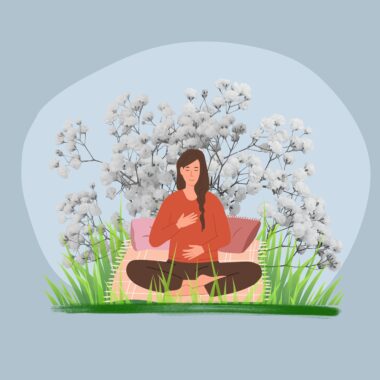
Now, let’s delve into some effective breathing techniques that can help relieve spinal tension. The first technique is called diaphragmatic breathing, which involves drawing air deeply into the lungs while expanding the diaphragm. Here’s how to practice it: Find a comfortable position, either sitting or lying down. Place one hand on your chest and the other on your abdomen. Inhale through your nose, ensuring the abdomen rises while the chest remains still. Exhale slowly through pursed lips. Aim to make each inhalation last for four counts, holding for two counts, and exhaling for six counts. This calm, controlled approach creates a rhythm that helps in lowering anxiety and enhancing spinal relaxation. Another method is the 4-7-8 technique, which deepens the breath cycle. Inhale for four counts, hold for seven counts, and exhale for eight counts. Such practices create a connection between breath and physical sensations, allowing you to identify areas of tension within your spine. Overall, consistent practice can have profound benefits for your spine and muscle relaxation.
Breathe deeply and mindfully throughout your day. Alongside intentional breathing exercises, daily posture awareness can also contribute to relieving spinal tension. Poor postural habits are prevalent in today’s lifestyle due to prolonged periods spent sitting or using electronic devices. These habits can cause stress to accumulate in the spine. By integrating awareness of your posture with conscious breathing, you can mitigate these effects. Regularly take breaks to check in with your body alignment while engaging in breathing exercises. When you notice your shoulders creeping up toward your ears or your spine slouching, remind yourself to straighten up. Sitting or standing tall while inhaling deeply helps integrate proper alignment with breath. Additionally, practicing good ergonomic habits at your workstation can prevent discomfort. Ensure your workspace supports a neutral spine position, encouraging both health and productivity. Utilizing your breath as a tool, combined with appropriate posture, serves to transform your ergonomic habits. Ultimately, listening to your body and responding with conscious breathing exercises fosters a favorable environment for spinal health.
The Role of Mindfulness in Breathing
Mindfulness plays an integral role in using breathing to ease spinal tension. When we approach breathing exercises with a mindful attitude, we cultivate awareness of our body’s sensations. This connection is crucial for identifying areas of tension and stress within the spine. Mindfulness encourages us to pause and take note of how we are feeling, both physically and emotionally. As you practice your breathing techniques, dedicate time to focus on each inhale and exhale fully. Visualization can enhance this experience; imagine tension releasing from your spine with each breath. Create a mental image of fresh air filling and energizing your back while releasing negativity and stress. The more you integrate mindfulness with your breathing exercises, the more efficient they become. Moreover, engaging in this practice consistently can foster a stronger emotional connection to your body. Over time, you will develop a heightened ability to recognize signs of discomfort, prompting timely responses. This proactive engagement facilitates better posture, relieving spinal tension and promoting playfulness with breath and life overall.
As you explore the benefits of breathing, remember the importance of consistency. Practicing these breathing techniques regularly ensures they become part of your daily routine. Designate specific times during your day for these practices, especially during high-stress moments. Connecting your breathing exercises with natural pauses in your day, like during commute times or work breaks, improves your overall habit formation. Even short sessions can have significant benefits. Aim for at least five to ten minutes of focused breathing a day to experience truly transformative results. Be patient with yourself as you work to enhance your breathing methods. Over time, the positive effects on your spine, tension relief, and overall wellness will manifest. Additionally, consider seeking guidance from professionals such as physical therapists or certified yoga instructors. They can provide personalized breathing and posture advice tailored to your needs. Engaging in community classes focused on breathwork may also provide support. Embrace the healing power of breath, and allow it to guide you on your journey toward greater spinal health.
Conclusion: Embracing Breathing for Better Posture
In conclusion, employing breathing techniques plays a vital role in alleviating spinal tension and enhances overall posture. Understanding the link between breath and spinal alignment encourages a proactive approach to health. By practicing techniques such as diaphragmatic breathing and the 4-7-8 method, we can engage the body’s natural relaxation response. Maintaining mindfulness during these exercises deepens our body awareness, allowing us to connect with sensations and identify tension hotspots. Developing new habits to integrate mindful breathing into daily routines strengthens our ability to manage stress and spinal discomfort. Combine these practices with ergonomic adjustments to your workspace for optimal benefits. Consistent awareness of both posture and breathing will greatly influence your experience not only physically but mentally as well. Transitioning to this healthier lifestyle can take time, so embrace it and be patient with your progress. Seek support when needed and engage in community resources such as meditation or yoga classes. By prioritizing breathing exercises, you embrace a multifaceted approach to well-being, ultimately fostering a brighter, healthier tomorrow.
Ultimately, breath awareness and spinal alignment are key in maintaining posture. Integrating structured breathing exercises into daily life is critical for optimizing comfort and health. Take this opportunity to reassess your breathing habits, practicing techniques that can foster positive changes. Consistency in these practices will gradually lead to improved alignment, reduced tension, and greater mindfulness overall. It’s a journey that requires time, patience, and commitment. Remember, every breath is a chance to enhance your well-being and contribute to a healthier spine.