
Meditation Practices to Complement Your Yoga Routine
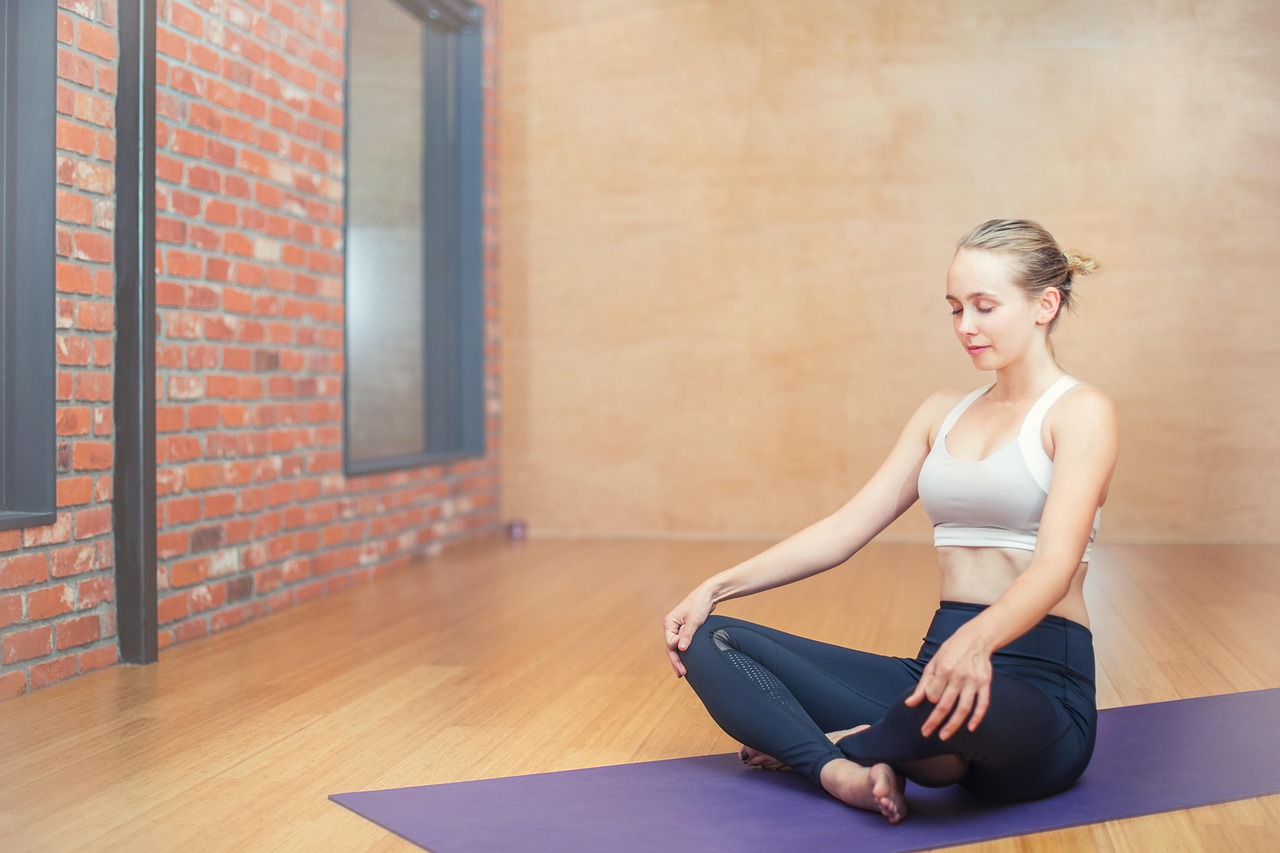
Incorporating meditation into your yoga routine can enhance mental clarity and emotional stability. **Meditation** helps cultivate mindfulness, allowing you to connect deeply with your body and breath during your practice. One effective method is the use of a mantra, a specific sound or phrase repeated silently to aid focus. A popular choice among practitioners is **”Om”**, often associated with universal consciousness. To begin, find a comfortable seated position, close your eyes, and start repeating your chosen mantra slowly. This repetition will help quiet your mind. Additionally, consider exploring guided meditations that focus on specific themes, such as gratitude or resilience. These can provide structure while allowing for personal interpretation. You might also practice visualization, picturing your body moving gracefully through the poses. By integrating these meditation techniques consistently, you’ll experience not only physical benefits but also deep emotional healing that goes beyond the yoga mat. Pair these practices with your favorite yoga sessions to create a holistic approach to your wellness journey. Embrace this harmony between movement and stillness, nourishing both body and mind with each session.
Another beneficial meditation technique is the practice of *body scan*. This technique involves lying down comfortably, closing your eyes, and mentally scanning your body from head to toe. Focus on each area, noticing sensations without judgment. The goal is to cultivate *awareness* of physical presence and release tension in areas of stress. After completing the scan, take a moment to observe how your body feels. How has your awareness shifted? Often this practice reveals areas previously overlooked. Aim to incorporate a body scan after your yoga session, allowing you to integrate and reflect on your physical movements. You may notice improvements in both flexibility and mindfulness over time. Integrating these practices creates a seamless and enriching experience. As you become more attuned to your body, the effects of your yoga practice will deepen. Through consistent engagement with deliberate stillness, nurturing awareness of your body and mind, you cultivate a profound sense of peace. This method invites you to honor your unique experience each time. You become equipped with skills to address life’s daily challenges, ultimately transforming your overall health and well-being.
The Power of Breath in Meditative Practices
Breathwork is a fundamental component in connecting meditation with yoga practices. Practicing Pranayama, or breath control, can amplify your awareness of breath during yoga, grounding you in the present moment. A simple yet impactful technique is the *4-7-8 breathing method*. To perform this, inhale through your nose for four counts, hold for seven counts, and then exhale slowly through your mouth for eight counts. This technique promotes relaxation and reduces anxiety, complementing the physical exertion of yoga. You can utilize breathwork both during your yoga practice and in meditation sessions, enhancing energy flow throughout your body. With continued practice, you’ll find increased lung capacity and improved mental clarity. Each yoga pose will feel more intentional, allowing deeper surrender to the moment. Also, breathing exercises aid in cultivating patience and presence. By emphasizing breath in meditation, you’re honoring its vital role in sustaining life. Integrating these practices, you will feel empowered, able to navigate your yoga sessions with greater ease, integrating breath as the thread binding movement and stillness together.
Mindful walking is another meditation practice that can significantly enhance your yoga routine. This technique invites you to take a pause from the mat and reconnect with the world around you. During a mindful walk, pay attention to the sensations in your feet as they touch the ground, the rhythm of your breath, and the sights or sounds around you. This practice can develop and deepen mindfulness, creating a sense of serenity that carries into your yoga practice. Begin by walking at a slow, deliberate pace, ideally in a quiet outdoor space. Focus solely on your movements, allowing distractions to fade. Take note of your posture and fluidity as you move. Mindful walking can serve as a warm-up before your yoga session, promoting greater awareness before entering your practice. It also provides a fresh perspective, shifting your mindset and allowing you to explore your surroundings. By blending the essence of mindful walking with your yoga routine, you cultivate a deeper appreciation for both the practice and the environments that nourish your journey towards mindfulness.
Creativity through Journaling in Meditation
Incorporating journaling into your mediation practice can greatly enhance your self-awareness and emotional growth. After completing your yoga session, take a few moments to reflect on your thoughts and feelings. Write down any insights that emerge during your yoga and meditation practices. This process can provide clarity regarding your experiences, enhancing your understanding of both body and mind. Free-writing allows unconstrained expression of thoughts, leading to deeper awareness. This may also uncover patterns or habits that require attention. Through consistent journaling, you can track your progress and celebrate milestones in your journey. Create prompts for reflection, such as “What emotions arose during practice today?” Whether expressing gratitude or addressing challenges, words can become a powerful tool for healing and transformation. Additionally, consider setting intentions within your journal, outlining your goals for both yoga and meditation. Revisiting these intentions regularly bolsters motivation and focus. Combining these practices creates a well-rounded approach to personal growth and mindfulness, enriching your yoga journey through a deeper emotional connection to your experience, allowing the spirit to flourish.
Sound meditation is another innovative method to complement your yoga routine. Utilizing instruments like singing bowls or chimes can facilitate relaxation and focus during your practice. Sound has a profound effect on the mind and body, facilitating deeper meditative states. To practice sound meditation, find a comfortable seated position, close your eyes, and allow the resonating sounds to envelop you. This can help you connect with your body and breath at a deeper level. Experiencing vibrations by sounds often inspires deeper emotional release and healing. As you become attuned to the frequencies, you may find yourself entering a tranquil space, allowing the mind to settle. Incorporate sounds into your yoga routine, playing soothing sounds in the background during practice or meditating afterward. The harmonizing effects can create a sacred environment, helping to integrate the physical and spiritual aspects of your journey. Experiment with various instruments and techniques to discover which resonates most with you. Combining sound meditation and yoga opens new dimensions within your practice, enhancing overall well-being and balance.
Harnessing the Benefits of Nature in Meditation
Finally, integrating nature into your meditation practice can significantly enhance your yoga sessions and mindfulness journey. Nature offers a plethora of sensory stimuli, anchoring your experience within the present moment. Spending time outdoors, even in short intervals, invites calm and promotes connection with your surroundings. This immersion allows you to breathe in fresh air, feel the ground beneath you, and absorb sounds of nature. While practicing yoga outdoors, take a moment to close your eyes and focus on your breath. Experience how the environment influences your body and mind. You may consider practicing tree pose amidst trees, feeling grounded and supported. Outdoor meditation cultivates a sense of harmony and peace that can rejuvenate your spirit. Creating intentional spaces for quiet reflection in nature helps foster personal growth and strengthens mindfulness experiences. Use your surroundings as inspiration for your yoga flow, allowing nature’s beauty to guide your practice. Integrating these enriching elements creates a profound relationship between your body and the environment while proving beneficial for mental well-being and resilience.
In conclusion, integrating various meditation practices into your yoga routine can elevate your experience, fostering emotional stability, mindfulness, and self-awareness. Through breathwork, mindful walking, sound meditation, and nature immersion, you have opportunities to explore a holistic approach to wellness. Journaling can foster reflection and intention setting, cultivating a deeper relationship with your practice. As you become more attuned to your body and mind, the links between yoga and meditation will strengthen, leading to a fulfilling journey towards balance. Embrace this journey, allowing yourself to experiment with what resonates most effectively for your personal growth. Understanding that each individual’s path is unique can transform how you approach your practice, encouraging you to develop a style that reflects your essence. In time, you will discover an expansive world that connects movement and stillness, enabling your overall well-being. The dialogue between yoga and meditation fosters an enriching experience that goes beyond the mat, integrating into your daily life, inspiring mindfulness, and nurturing peace. Embrace this synergy and allow it to nourish every facet of your existence, leading to a deeper connection to self and the world around you.