
Mental Strategies for Injury Recovery and Comeback
Injuries can be significant setbacks for competitive athletes, impacting not only their physical abilities but also their mental resilience. Developing a comprehensive mental training program is essential for athletes on the road to recovery. This involves committing to psychological strategies that reinforce motivation and positivity during the rehabilitation process. Techniques like visualization can help athletes foresee their return to sport, enabling them to mentally practice skills and strategies that they can use once they return. Journaling about emotions and experiences throughout recovery can also serve as an outlet and tool for reflection. Practicing mindfulness and relaxation techniques, such as meditation and deep breathing, can help reduce anxiety and stress during this critical time. Maintaining connections with coaches, teammates, and support groups is crucial too, as it fosters a sense of belonging and encouragement. Utilizing specific goal-setting strategies ensures athletes stay focused, which can facilitate progress through each rehabilitation stage. All these components combined contribute vastly to an athlete’s mental fortitude, giving rise to an empowered mindset that encourages a successful comeback and sustained performance.
The Importance of a Positive Mindset in Healing
One of the most powerful tools an athlete can employ during rehabilitation is the cultivation of a positive mindset. This mindset can profoundly affect healing outcomes, impacting both the physical and psychological realms of the recovery process. By focusing on what is achievable and the progress being made, athletes can motivate themselves, overcoming feelings of frustration or despair. Employing statements of affirmation helps reinforce positive beliefs about one’s recovery journey. Instead of viewing the injury exclusively through a negative lens, an athlete should aim to recognize the opportunity for growth and enhanced skills that can arise from this experience. It is beneficial to attend workshops on overcoming adversity and enhancing well-being. Moreover, practicing gratitude helps shift focus from the injury to the support and lessons learned throughout the journey. Engaging in positive self-talk can diminish negative thoughts, helping athletes remain focused on their goals. Support systems, such as family and friends, also play a pivotal role in maintaining this positive orientation, reminding athletes of their past successes and driving them toward their objectives. Creating a supportive environment is crucial for a mentally constructive recovery.
Visualization Techniques for Performance Renewal
Utilizing visualization is an invaluable technique for athletes recovering from injuries, as it enables them to mentally rehearse the actions they aspire to perform. By vividly imagining returning to competition, athletes create a mental blueprint that can prime their bodies and minds for actual performance. This technique involves not just seeing themselves compete but engaging all senses in the process, such as feeling the environment and hearing the cheers of a crowd. Athletes can achieve peak mental states by regularly practicing these visualization sessions, which stimulate neural pathways associated with their performances. The brain often cannot distinguish between real and imagined experiences, so this mental rehearsal can be as powerful as physical training. Practicing these visualization methods daily can help reduce anxiety associated with returning to play. It also provides a confidence boost that reassures athletes of their capabilities. Incorporating advanced technology, such as virtual reality, can further enhance this experience, offering real-life simulation for practice. By visualizing success and embracing the envisioned outcome, athletes ultimately create a compelling narrative that they can live up to when it’s time to return.
Building Mental Resilience through Goal Setting
A crucial component of effective mental training during injury recovery is setting specific, measurable, achievable, relevant, and time-bound (SMART) goals. This structured goal-setting approach can significantly enhance an athlete’s mental resilience. By breaking down recovery into small, attainable milestones, athletes experience frequent moments of achievement, fostering a sense of progress. These goals can range from simple daily tasks, such as adhering to a rehabilitation routine, to more complex objectives like completing a return-to-play protocol. It is vital to write down these goals to provide clarity and a visual reference, which helps maintain focus. Furthermore, adjusting goals as recovery progresses showcases adaptability, which reinforces an athlete’s confidence and determination. Endorsing accountability by sharing goals with coaches or peers also ensures support and motivation throughout the journey. Engaging in visualization techniques bolstered by these goals reinforces the athlete’s perception of success, as they can picture themselves achieving them. Additionally, celebrating each milestone can help maintain motivation, transform setbacks into opportunities for learning, and encourage persistence, ultimately allowing the athlete to thrive in their competitive environment once again.
Navigating Social Interactions During Recovery
While undergoing injury rehabilitation, social interactions can greatly affect an athlete’s mental health and recovery process. An injury often leads to feelings of isolation, as athletes may miss out on team camaraderie and social dynamics. To overcome this, they should stay engaged with their teams and pursue social activities that promote connection and support. Joining support groups where individuals share similar experiences can significantly bolster recovery, allowing athletes to gain insights from others and share coping strategies. Communicating openly with coaches about their progress helps maintain a relationship that reinforces motivation and accountability. Additionally, participating in team meetings or video sessions can help athletes feel included, ensuring they remain connected to the sport. Dedication to virtual meet-ups further bridges the gap, allowing them to discuss training and personal progress with teammates, albeit from a distance. Employing social media to document recovery can serve as a powerful motivator for the athlete while inspiring others. These connections ultimately enhance mental health and confidence, reaffirming that the journey feels less daunting and boundaries between training, recovery, and social life blur.
Mindfulness Practices for Enhancing Focus
Integrating mindfulness practices during injury recovery allows athletes to enhance their mental focus while reducing stress levels. Techniques such as meditation, yoga, and guided imagery can significantly improve mental clarity and emotional resilience. Mindfulness encourages awareness of the present moment, helping athletes cope with anxiety related to their injuries while fostering a connection to their bodies. Dedicating time each day to meditate can teach athletes to observe their feelings without judgment and gain perspective on their experiences. Practicing breath control can significantly support relaxation, helping to quell nervous energy before returning to competitive environments. Harnessing the power of mindfulness cultivates a sense of calm, enhancing overall well-being while navigating the ups and downs of recovery. Additionally, incorporating mindful movement, such as gentle stretching or yoga, aids physical recovery and heightens bodily awareness. Engaging in this practice before or after physical therapy sessions can facilitate deeper relaxation and engagement with the rehabilitation process. Overall, mindfulness practices can empower athletes with improved focus, helping them re-establish connection with their sport upon their return, creating a smoother transition into active participation.
The Role of Professional Support in Mental Recovery
Professional guidance from sports psychologists or mental performance coaches can greatly enhance an athlete’s mental recovery journey. These professionals possess the skills and techniques required to help athletes navigate their emotions constructively during rehabilitation. Engaging with a qualified sports psychologist allows for tailored mental training that addresses individual needs and barriers. Regularly scheduled sessions promote a consistent structure for discussing challenges while learning effective coping mechanisms. Techniques such as cognitive behavioral therapy (CBT) can provide athletes with strategies to manage negative thoughts and emotions stemming from their injuries. Additionally, sports therapists can help establish routines that incorporate both physical and mental components of training. Athletes should recognize seeking help is a strength and a crucial step in their journey. This support helps refine mental skills, enhancing focus, confidence, and motivation. Regular evaluations and adjustments to mental training programs ensure an athlete’s approach remains relevant throughout recovery stages. Ultimately, having a dedicated professional on their side can assist athletes in transforming this challenging period into an opportunity for growth, ultimately ensuring a more steady and successful return to competitive sports.
Recognizing the Emotional Journey of Recovery
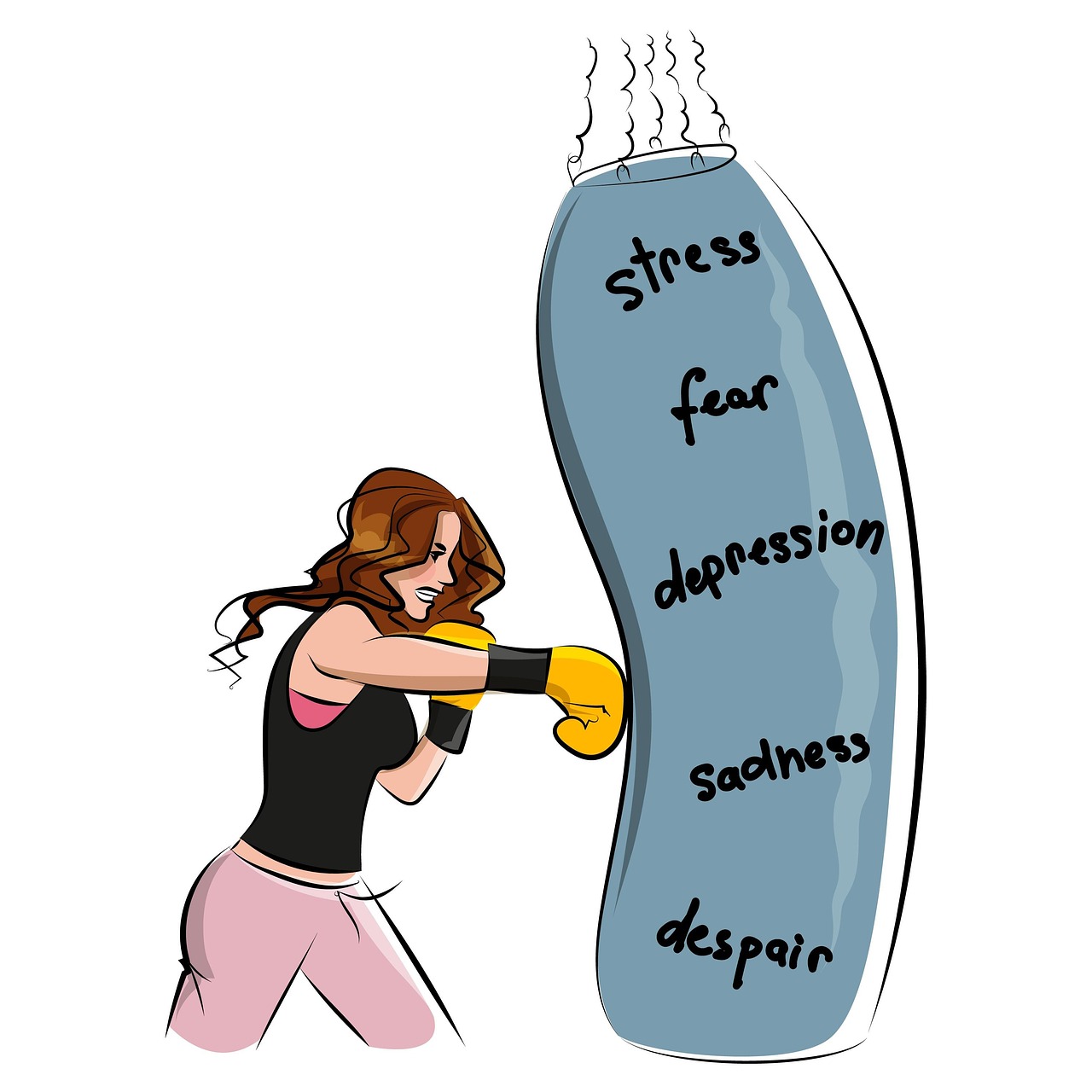
The emotional experience surrounding injury recovery is multifaceted, often encompassing a spectrum of feelings that athletes must navigate. The cycle of denial, grief, acceptance, and hope can be challenging, placing enormous pressure on an athlete’s mental health. Recognizing and validating these emotions is crucial for athletes to foster healing. Journaling is an excellent way to articulate these feelings, allowing individuals to express fears and frustrations during their journey. It is essential to develop strategies for managing setbacks, such as positive reframing and seeking support from kin or professionals. Celebrating small victories during rehabilitation, no matter how insignificant they may seem, can help athletes recognize progress amid the emotional turbulence. Maintaining a clear focus on the ultimate objective, returning to sport, helps mitigate negative thoughts and feelings, providing the motivation for persistence. Building emotional intelligence to recognize personal triggers ensures athletes can respond constructively to frustrations they may encounter. By prioritizing an understanding of the emotional landscape of recovery, athletes can ensure a smoother transition back to competition, enhancing their overall experience as they navigate their comeback journey.