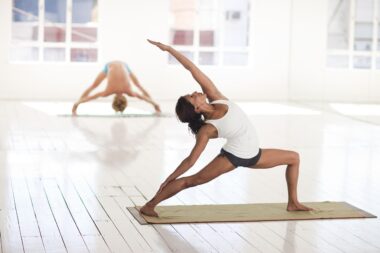

Pre-Workout Dynamic Stretching Routines for Injury Prevention
Incorporating dynamic stretching techniques into your pre-workout routine can significantly enhance flexibility and mobility. They prepare your muscles and joints for the physical stress of exercise, reducing the risk of injury by increasing blood flow and range of motion. Dynamic stretches involve active movements that mimic the activity you are about to perform, thereby activating your muscles and joints in a functional manner. Unlike static stretches, dynamic stretches are usually performed at a controlled speed. They help in improving neuromuscular function and flexibility. Start with movements that promote a gradual increase in intensity, ensuring your muscles adapt effectively. Ideal dynamic stretches include leg swings, arm circles, and side lunges. These exercises target major muscle groups and effectively warm up your body. Completing these preparations before workouts can enhance performance levels, reinforcing proper movement patterns during physical activity. As a result, those who engage in pre-workout dynamic stretching routines typically report an improvement in their athletic performance. Therefore, it is essential to incorporate at least five to ten minutes of dynamic stretching for effective workout preparation. Prioritize keeping your routine fresh by varying the stretches executed periodically.
One effective dynamic stretching technique involves leg swings, which serve as a fantastic way to increase flexibility, reduce stiffness, and prepare the body for more intensive activities. To perform leg swings, stand near a wall or support for balance and swing one leg forward and backward in a controlled motion. This exercise specifically targets the hip flexors and hamstrings, requiring your muscles to work through their full range of motion. Repeat the movement for ten to fifteen swings on each leg, ensuring that you’re maintaining a stable posture throughout. Progressively increase the height of the swings as your flexibility improves. For effective warm-ups, alternate between forward and lateral leg swings. The lateral variety engages the adductors and abductors, crucial for stability in various sports activities. Additionally, incorporating your arms in the swing movement can further enhance your overall coordination. Make leg swings a staple in your warm-up routine, ensuring you activate the hip joints properly. Remember to remain aware of your body’s limits and gradually improve your range over time. Ultimately, performing leg swings reliably boosts your performance in various physical activities while diminishing your injury risk.
The Benefits of Arm Circles
Arm circles represent another excellent addition to dynamic stretching routines, targeting the shoulders and upper body. This simple exercise requires minimal space and can be readily incorporated before any workout. To effectively perform arm circles, stand with your feet shoulder-width apart and extend your arms to the sides at shoulder height. Rotate your arms in small circles, gradually increasing the size of the circles as you progress. Perform the circles for approximately twenty seconds in one direction, then switch to the opposite direction for the same period. This creates a comprehensive warm-up that enhances shoulder mobility, activation, and blood flow. Arm circles entail minimal physical exertion, allowing for quick recovery between rounds. Additionally, incorporating variations, such as backward circles or alternating cross-body swings, can target different shoulder muscles. As your muscle tension decreases, you’ll likely experience an improvement in your lifting techniques and overhead movements. Pay attention to your posture during this exercise and maintain a relaxed neck to benefit fully. By regularly practicing arm circles, you’ll promote better range of motion for your upper body, reducing tightness and apprehension during your workout.
Another dynamic stretching technique that enhances overall performance is the walking lunge, an effective exercise to activate the muscles in your legs and core. To perform a walking lunge, stand with your feet together and step forward with one foot. Bend your front knee until it reaches a right angle while keeping your back knee close to the ground. Ensure your front knee does not extend beyond your toes for optimal alignment. Engage your glutes and core as you bring your back leg forward to meet your front foot, then repeat the movement with the opposite leg. Aim for ten lunges per leg to maximize the warm-up effect. This exercise not only prepares your lower body for action but also promotes balance and coordination. Consider adding torso twists as you lunge to enhance the stretch further, activating your core muscles effectively. Engaging in walking lunges can lead to greater power, speed, and endurance during your workout sessions. Prioritizing dynamic stretches, including walking lunges, may mitigate injury risk while optimizing your athletic results. By refining these movements, you’ll experience better range of motion and effectiveness when executing various exercises.
Incorporating Side Lunges
Side lunges are another dynamic stretching option that enhances hip flexibility and overall lower body strength. To execute a side lunge, start by standing upright with your feet shoulder-width apart. Then, take a large step to the right while bending your right knee and shifting your weight onto that leg. Keep your left leg straight, feeling a deep stretch on the inner thigh of the left leg. Make sure to maintain a flat back and an upright chest throughout the movement. Hold this position for a moment before pushing off your right foot to return to the starting position. Repeat the exercise on the opposite side, completing several repetitions on each leg. Incorporating side lunges into your routine prepares your body for lateral movement, crucial for most sports. Not only do they effectively target your hips, quadriceps, and hamstrings, but they also engage your core, which is essential for maintaining stability. Perform three sets of ten repetitions on each side to ensure adequate warming. The dynamic nature of side lunges will ultimately facilitate a more efficient workout while reducing the likelihood of injury. Therefore, prioritize side lunges for your next warm-up routine.
Benefits of Dynamic Stretching for Injury Prevention
Dynamic stretching techniques like high knees are extremely beneficial for promoting overall agility and functional movement. To perform high knees, stand tall and jog in place, bringing your knees up towards your chest in a controlled manner. This exercise not only improves flexibility in your lower body but also enhances coordination and cardiovascular endurance. Focus on lifting your knees high while engaging your core muscles, ensuring that your movement remains smooth and controlled. Aim for two sets of thirty seconds to reap the full benefits. High knees are an efficient way to elevate your heart rate and increase blood flow, preparing your body for intense physical activity. Including this dynamic stretch in your warm-up can significantly reduce the likelihood of strain during workouts. Moreover, you can pair high knees with other dynamic stretches for a comprehensive routine. Establish good running form to maximize the benefits, motivating your body to adapt and perform better. Keeping the practice consistent will lead to improved agility and responsiveness during workouts. Overall, dynamic stretching enhances mobility and balances performance, making it essential for anyone engaging in fitness or athletic pursuits. Incorporate high knees into your dynamic routine today.
In summary, incorporating dynamic stretching techniques into your pre-workout routine is vital for maintaining flexibility, mobility, and preventing injuries. Activities such as leg swings, arm circles, walking lunges, side lunges, and high knees engage your major muscle groups while optimizing blood flow to muscles. Performing these exercises prepares your body thoroughly for physical activity, ensuring you achieve the maximum range of motion. Adopting a regular dynamic stretching routine not only reduces the risk of injury but also improves performance levels during sports or workouts. Note that you should focus on proper form and technique to maximize benefits and prevent strains. Gradually increasing your intensity and variety will yield better results, keeping both your workouts fresh and exciting. This will help you stay committed to your fitness journey. Make your warm-up routines consistent, allowing your body to adapt to new movements effectively. Remember, a well-prepared body is less likely to sustain injuries. Prioritizing dynamic stretching techniques before workouts is a strategic approach to achieving balanced performance while significantly enhancing your overall fitness. Commit to these routines today for a healthier and more effective workout experience.
Conclusion
In conclusion, establishing a consistent dynamic stretching routine is essential for anyone looking to enhance their workout performance while minimizing injury risks. By including exercises such as leg swings, arm circles, walking lunges, side lunges, and high knees in your warm-up, you create a solid foundation for increased mobility and flexibility. It’s important to remember that each dynamic stretch serves a specific purpose and contributes to optimal functional capacity. Sufficient time should be allocated to warm-up for activities demanding physical exertion. As you practice and incorporate these techniques into your fitness regimen, observe your progress and adapt your routines as needed. The key to maximizing the effectiveness of these dynamic stretches lies in focusing on body awareness and control throughout each movement. Make changes accordingly, ensuring that your warm-up routines cater to your specific athletic objectives and needs. This level of customization will enhance your overall experience and elevate your performance to new heights. Begin integrating these dynamic stretching techniques into your pre-workout practice. Ultimately, your commitment to these routines will yield significant benefits for your strength, mobility, and overall fitness journey.