
Role of Antioxidants in Female Exercise Physiology
Women often engage in various forms of physical exercise, which can lead to heightened oxidative stress. This stress arises when there is an imbalance between free radicals and antioxidants in the body, leading to cellular damage and other negative effects. Antioxidants, found in various food sources, help mitigate oxidative stress. They neutralize free radicals, minimizing inflammation and potential damage to muscles and tissues during and post-exercise. Consuming foods rich in antioxidants like fruits, vegetables, nuts, and seeds is vital, especially for women who follow rigorous exercise routines. Certain antioxidants, such as vitamin C and E, have been particularly noted for their effectiveness in providing protective benefits. Furthermore, maintaining antioxidant levels in the body is crucial to improve exercise performance, prevent fatigue, and promote quicker recovery after workouts. Including antioxidant supplements can be beneficial, but consulting health professionals for advice is advisable. Exploring natural food sources, rather than relying solely on supplements, may yield the best health results. Thus, antioxidants play a significant role in optimizing women’s exercise physiology by protecting against oxidative damage associated with strenuous activity.
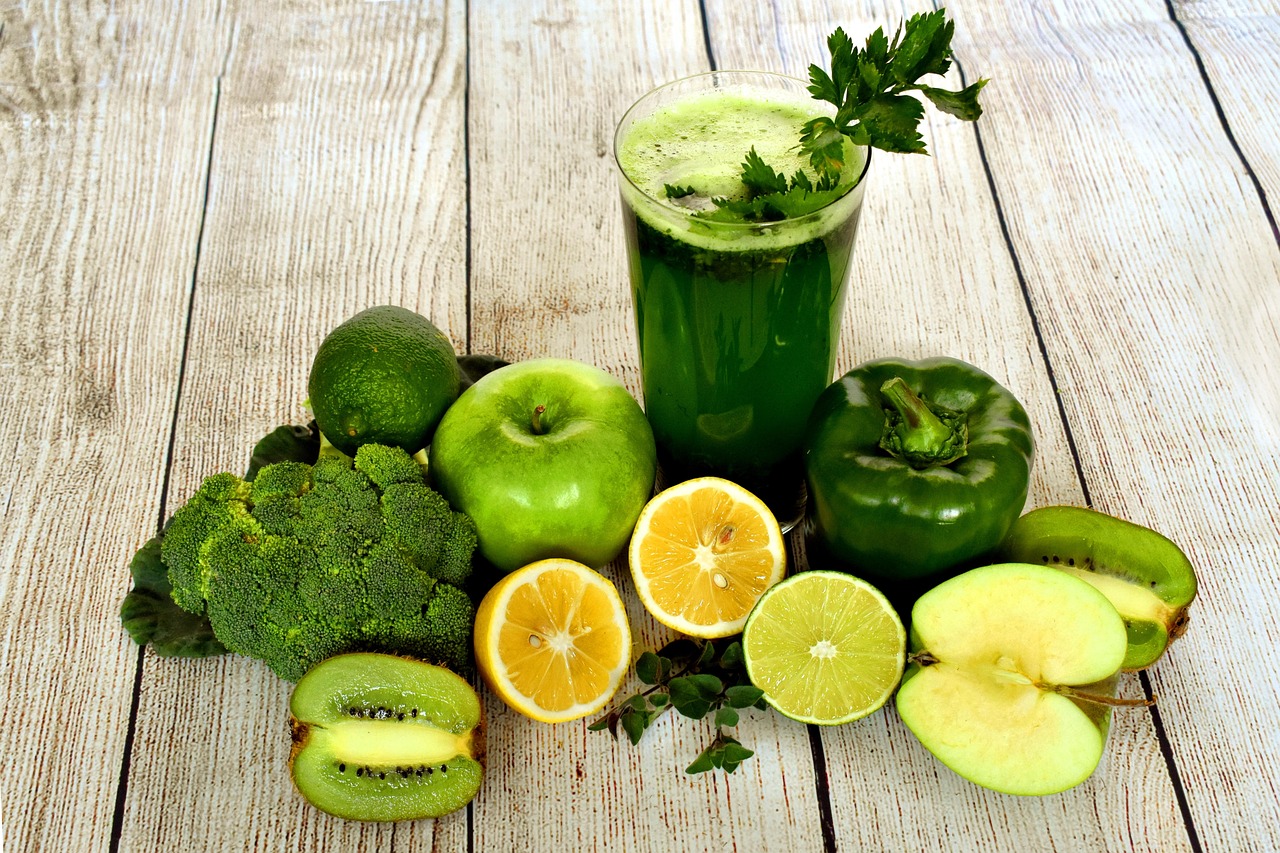
Dietary choices can significantly influence the levels of antioxidants in the body. Foods that are rich in antioxidants not only play a key role in improving overall health but are particularly beneficial to women who are physically active. Incorporating a variety of colorful fruits and vegetables into meals can vastly enhance the intake of these important compounds. For instance, berries are known for their high antioxidant content, especially in flavonoids. Green leafy vegetables, such as spinach and kale, are also excellent choices that contribute to antioxidant levels. Other options include dark chocolate, legumes, and nuts that provide various antioxidant combinations beneficial for exercise. Hydration is equally important; herbal teas can contain substantial antioxidant properties. Women should focus on a balanced diet that includes these antioxidant-rich options every day. Beyond their role in exercise, these compounds have general health benefits, enhancing skin health and protecting the heart. Including foods from different categories ensures a wide range of antioxidants are consumed, promoting effective recovery and overall health. The synergy from a diverse diet helps meet the physical demands and oxidative challenges that arise from regular exercise.
Oxidative Stress and Its Impact on Women
Oxidative stress poses unique challenges for female athletes and those engaging in regular physical activity. Female physiology, influenced by hormonal changes throughout the menstrual cycle, can exacerbate oxidative stress levels, especially during intense workouts. This warrants the need for increased attention to dietary habits, specifically the intake of oxidants and antioxidants. Estrogen levels, which fluctuate during the menstrual cycle, also affect antioxidant defenses. Understanding how these hormonal changes impact overall physiology may guide dietary choices, allowing for optimized antioxidant intake during crucial times. Additionally, physical training can enhance the body’s ability to produce antioxidants over time, aiding in resistance against oxidative stress. Adapting training regimes in tune with the menstrual cycle may contribute to better performance and recovery. Moreover, incorporating antioxidants through diet becomes not just a protective measure but a means to enhance female athletic performance strategically. The interplay between oxidative stress and exercise requires ongoing research to better understand female-specific needs. Implementing knowledge about the role of antioxidants can significantly improve training outcomes and health for women engaged in physical activities.
Recovery is an essential aspect of exercising, particularly for women who push their limits in fitness regimens. Antioxidants have been shown to play a critical role in the recovery process, particularly following intense or prolonged physical activity. Muscle soreness and fatigue can often result from oxidative stress during exercise, creating the need for effective recovery strategies. Women should prioritize antioxidant-rich foods post-exercise to alleviate soreness effectively. Consuming a mix of carbohydrates and protein can help restore energy levels, while antioxidants work to repair and protect muscle cells. Foods like cherries, tart juices, and berries may significantly aid in enhancing recovery times and reducing inflammation due to their anti-inflammatory properties. Additionally, timing plays a fundamental role in recovery; consuming antioxidants shortly after a workout may yield even greater benefits. Thus, understanding when and how to incorporate these factors into recovery protocols can lead to optimal training effects. Recovery should never be overlooked in a fitness regime, and prioritizing antioxidant-rich nutrition can become a beneficial component of recovery strategies for women engaged in frequent exercise.
Supplements: The Right Approach for Women
While natural sources of antioxidants are ideal, some women may consider supplements as a way to ensure adequate intake. Supplements can help achieve the desired antioxidant levels, particularly if a woman’s diet is lacking. However, the right approach to supplementation requires careful consideration. Consulting healthcare providers is crucial to tailor supplementation to individual needs, as overdosing on certain antioxidants may lead to adverse effects. For instance, excessive vitamin E can have negative health implications. Women should ideally prioritize obtaining antioxidants from whole food sources before turning to supplementation. This method not only helps avoid potential health risks but also provides a vast array of health benefits beyond just antioxidant properties. Alternatively, some specific supplements may target recovery and performance in female athletes, primarily making them suitable under professional guidance. There is ongoing research on specific nutrient formulations that may benefit women athletes particularly. The balance is essential; supplementation should be approached holistically as one component of an overall health-promoting diet and lifestyle that prioritizes antioxidant-rich foods.
Incorporating lifestyle changes alongside a diet rich in antioxidants can further bolster women’s exercise physiology. Regular physical activity alone can enhance the body’s natural production of antioxidants, while balanced nutrition plays a supportive role. Together, they promote a synergistic effect that encourages better exercise performance and recovery. Women often juggle various responsibilities and may neglect self-care; thus, prioritizing antioxidant-rich choices can greatly enhance physical and mental well-being. Simple changes, such as preparing meals in advance to include more fruits and vegetables, can lead to better dietary compliance. Furthermore, hydration should not be overlooked; incorporating antioxidant beverages can significantly enhance overall health. Making mindful meal choices promotes a healthier lifestyle and contributes to better hormonal balance, particularly during menstruation. Additionally, fostering a supportive environment, whether through friends or community, can encourage healthier habits. Addressing lifestyle as part of overall wellness ensures that women engaged in physical activities reap all potential benefits of exercise. With increasing awareness of nutrition, women can transform their exercise approach, leading to better outcomes in both performance and recovery phases.
Conclusion: A Holistic Approach to Exercise Physiology
The complex dynamics of female exercise physiology highlight the importance of a holistic approach that includes antioxidants in nutrition plans. Women can significantly benefit from understanding how oxidative stress impacts their bodies and adjusting their diet accordingly. By harnessing the power of antioxidant-rich foods, female athletes can enhance performance, promote recovery, and improve their overall health. Nutrition is an integral part of athletic performance, and combining physical training with mindful eating leads to improved outcomes. The exploration of various food sources provides an opportunity to diversify diets and reap the full spectrum of benefits produced by antioxidants. As science continues to uncover the vast roles of these compounds, future recommendations may evolve, emphasizing individualized approaches to nutrition. Women should remain proactive in seeking professional advice about their nutritional needs related to exercise. Ultimately, an emphasis on antioxidants, combined with proper training, can significantly uplift women’s health and performance levels, creating a foundation for long-term wellness. Embracing this understanding empowers women to take charge of their exercise physiology for their benefits and health.
Continuous learning in the realm of women’s exercise physiology can foster better health outcomes. Following developments in research related to antioxidants and their impact may also be beneficial. Keeping up with nutritional knowledge allows women to make informed choices about their health and exercise routines. The integration of science-backed strategies into daily life can result in positive changes over time, empowering women to take control of their health. Engaging with communities both online and offline can create support systems that promote healthier habits. Ultimately, committing to ongoing education and lifestyle modifications can sustainably improve performance, health, and vitality. As women strive for their fitness goals, incorporating antioxidants becomes a simple yet effective way to enhance overall well-being. This holistic view of health allows for better adaptations, swift recoveries, and improved quality of life. As we advance towards a more health-conscious future for women, it is crucial to recognize the science behind nutrition while fostering practical adaptations. The role of antioxidants will continue shining brightly in the world of women’s exercise physiology—transforming goals into achievements while promoting vibrant health.