
The Link Between Sleep Positions and Cortisol Levels in Athletes
Sleep plays a vital role in overall health, particularly for athletes whose bodies endure significant stress. Among the various factors influencing sleep quality, sleep position significantly impacts cortisol levels. Cortisol, commonly known as the stress hormone, is crucial for various bodily functions, including energy regulation and immune responses. For athletes, managing cortisol levels is essential to optimizing performance and recovery. Studies suggest that specific sleep positions may lower cortisol levels by promoting optimal body alignment and reducing physical stressors. For instance, sleeping on one’s back can be beneficial, allowing the spine to maintain its natural curvature, which can help minimize tension throughout the body while sleeping. This position can lead to deeper sleep cycles, ultimately aiding in cortisol regulation. Research indicates that athletes who sleep in the supine position often experience reduced feelings of anxiety and enhanced recovery times. Conversely, other positions, such as sleeping on the stomach, may contribute to increased cortisol due to improper spinal alignment. Thus, understanding optimal sleep positions can have a profound impact on athletic recovery and performance, suggesting athletes should thoughtfully consider their sleeping arrangements.
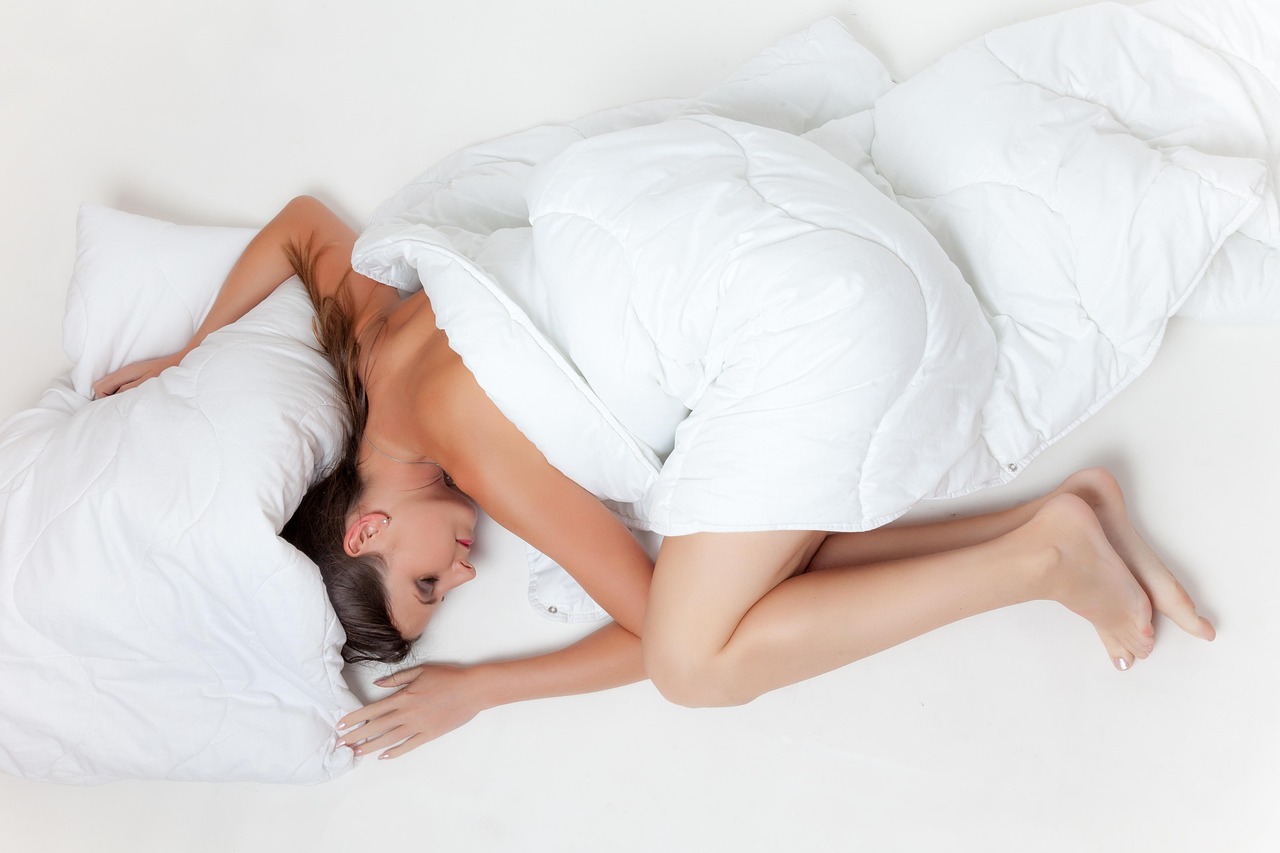
In addition to improving recovery and cortisol management, the choice of sleep position can contribute to overall quality of sleep for athletes. Therefore, it’s essential to analyze various positions that athletes may adopt while asleep. One popular position among many athletes is the fetal position. While this position may provide a sense of security and comfort, it can sometimes cause issues like neck and back pain. Moreover, studies have shown that sleeping in this curled position may lead to restricted respiratory function, potentially disrupting deep sleep cycles. Proper breathing is paramount during sleep as it directly influences how rested an athlete feels each day. Many athletes also prefer the side-sleeping option, which is often accompanied by the alignment of the body ensuring an open airway. However, side sleeping can sometimes lead to shoulder and hip pain over time, particularly if a suitable mattress is not used. Therefore, being aware of the potential pros and cons of each position can help personalize sleep strategies. Athletes can benefit from trying different positions to assess which best supports their recovery and optimal performance levels while minimizing excessive cortisol secretion during rest.
The Scientific Connection Between Sleep Quality and Cortisol Levels
Athletes face daily pressures, making sleep quality crucial for optimal performance. Research has highlighted the link between sleep position and cortisol levels, emphasizing how different sleeping postures may impact hormone balance. One major discovery is the relationship between sleep quality and heightening cortisol levels. Interestingly, when sleep is frequently interrupted or of poor quality, cortisol levels can rise, leading to fatigue and exhaustion. On the other hand, maintaining consistent, high-quality sleep often helps lower baseline cortisol levels, which may contribute positively to performance and overall well-being. For athletes, the challenge lies in ensuring that the sleep position adopted minimizes potential disruptions throughout the night. Proper alignment of the neck and spine plays a pivotal role in determining how restorative sleep can be. Thus, countries that promote athlete sleep hygiene emphasize best practices for reducing unnecessary awakenings. Incorporating techniques such as using supportive pillows, practicing breathing exercises before sleep, and creating a calming bedtime routine can greatly influence sleep quality, yielding lower cortisol levels. Consequently, these strategies can pave the way for better training adaptations and peak performance outcomes, showcasing the undeniable links between sleep, recovery, and hormonal balance.
For athletes looking to reduce cortisol levels through effective sleep strategies, further understanding the science behind sleep patterns becomes essential. Various studies support the importance of sleep position. The findings indicate that a supine, or back-sleeping position, is often associated with decreased cortisol levels. However, it is crucial to acknowledge that individual preferences and physiological differences matter. Some athletes may find side sleeping positions more comfortable, particularly if they experience residual muscle tension from intense training sessions. Taking periodic assessments of sleep quality can inform athletes whether certain postures are beneficial. It’s also important to consider external variables, such as the athlete’s environment. Elements like noise, light exposure, and temperature regulation not only interrupt sleep, but also can elevate cortisol levels unnecessarily. Investing in quality bedding and soundproofing, if applicable, can shield athletes from disturbances during rest. Additionally, athletes should engage in regular sleep check-ins and review progress to understand what works best for them. By tailoring their sleep habits according to these guidelines, they may better manage recovery while optimizing performance by actively controlling cortisol levels, ensuring they remain at peak condition.
Practical Tips for Optimizing Sleep Position
Understanding how to optimize sleep position is a vital step in managing cortisol levels effectively. Athletes can adopt several practical tips to enhance their sleep quality. Firstly, investing in an appropriate mattress can make a significant difference. A mattress that offers proper support helps maintain optimal spinal alignment while sleeping, which can prove beneficial for long-term health. Secondly, utilizing specialized pillows designed for athletes can offer extra comfort, supporting various body parts like the neck and shoulders and reducing strain. Athletes should also engage in a bedtime routine that encompasses relaxation techniques, such as gentle stretching or meditation. These practices can help signal the body it’s time to unwind, making it easier to fall asleep quickly and enjoy restful sleep throughout the night. Furthermore, maintaining a consistent sleep schedule promotes a regular circadian rhythm, which significantly influences cortisol levels. By prioritizing sufficient sleep time, athletes set the foundation for recovery, which is vital for improved performance during training sessions and competitions. Implementing these strategies can lead to better sleep quality and help athletes better manage their cortisol levels, thereby enhancing overall health and performance outcomes.
The relationship between sleep positions and cortisol levels emphasizes the need for athletes to cultivate better sleep hygiene practices. Making informed decisions about sleep position can have wider consequences for performance and recovery. Athletes should monitor and document their sleep each night, paying close attention to which positions best support their needs. It’s advisable to rotate between sleep positions occasionally during the night, which may enhance body recovery processes while minimizing excessive cortisol levels. In addition, incorporating restorative practices like yoga or foam rolling before bed aids in reducing tension while enhancing flexibility. Athletes can also integrate natural supplements, like magnesium or melatonin, which promote relaxation and better sleep quality, ultimately influencing cortisol regulation. Collaboration with a sports psychologist or sleep specialist is crucial, as they can provide tailored plans that consider individual needs. Lastly, athletes should remain consistent in their approach; results might take time as the body adapts to new schedules and routines. The balance between optimal sleep positions and proper recovery can significantly enhance athletic performance. As awareness grows, so does the potential for athletes to leverage sleep position practices for significant gains and recovery.
Conclusion: The Importance of Sleep in Athletic Performance
In summary, sleep positions can profoundly influence cortisol levels, playing an essential role in an athlete’s recovery process. By adopting suitable sleeping positions and embracing overall sleep hygiene practices, athletes can minimize cortisol spikes and enhance their overall performance. Understanding the link between sleep and hormonal regulation may offer valuable insights in achieving superior athletic outcomes. The transformative effects of consistent, quality sleep extend beyond mere fatigue reduction; they influence mental health, focus, and training capacity. Athletes who prioritize understanding their sleep needs will likely experience more robust physical adaptations, quicker recovery times, and enhanced peak performance during competitions. Acknowledging the scientific connection between sleep, recovery, and sports performance reinforces its significance within athletic training. Therefore, athletes should not overlook essential aspects of sleep hygiene, like mattress choice, pillow support, and maintaining a consistent bedtime routine. Implementing a multifaceted approach encompassing tailored sleep strategies will aid athletes in harnessing the benefits of effective recovery. Prioritizing optimal sleep positions and practices is a powerful means to enhance performance while managing cortisol levels effectively.