
Adapting Dance Aerobics Choreography for Different Fitness Levels
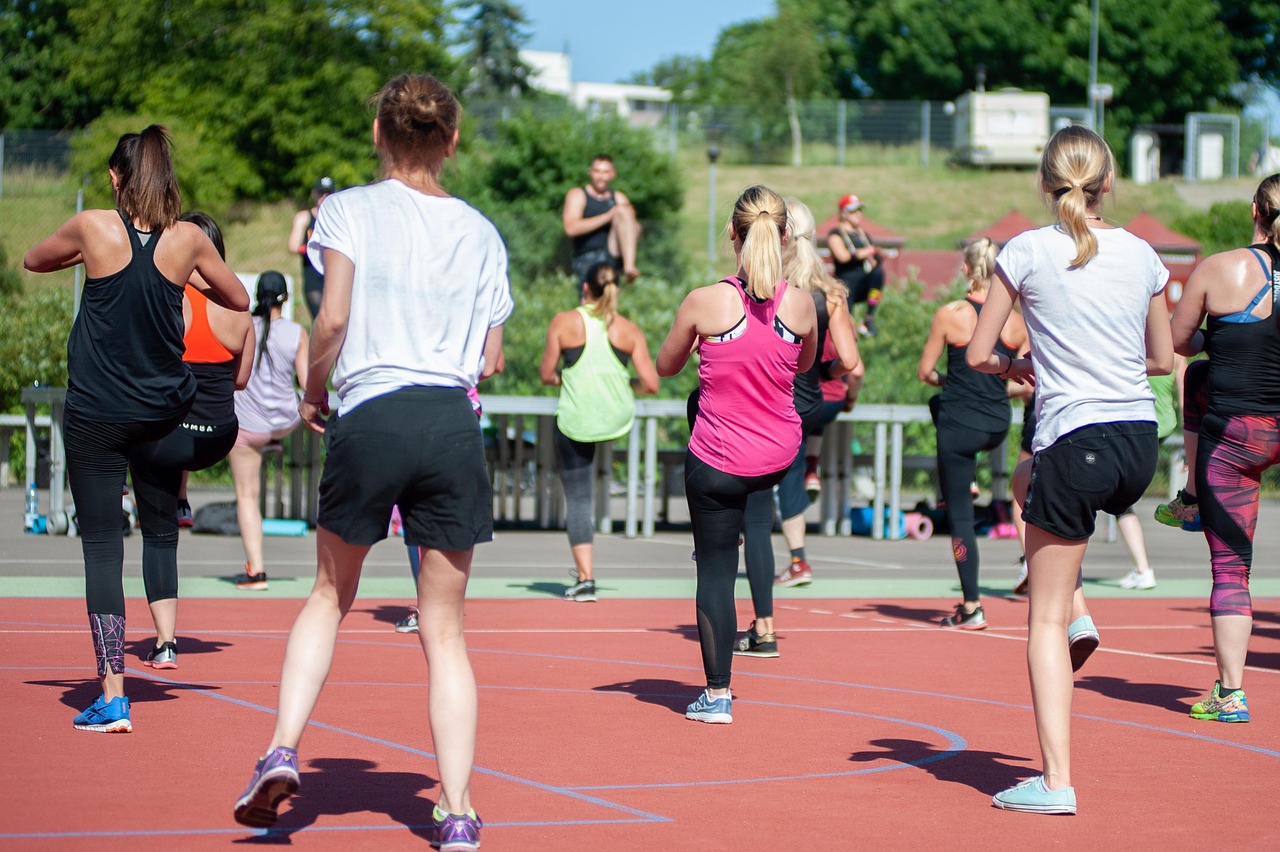
When designing dance aerobics routines, a crucial consideration is the diverse fitness levels of participants. Not everyone who joins a class will have the same background in dance or physical fitness, so adapting choreography is essential. Beginners require simpler movements, while experienced dancers may crave more complexity. Therefore, instructors should create options within their routines. This means breaking down the choreography into manageable sections and layering in complexity as the class progresses. For example, begin with basic steps and gradually introduce more intricate movements. This approach not only caters to individual fitness levels but maintains engagement among all participants. Ensure that there are modifications for cardio intensity as well, allowing participants to increase or decrease difficulty according to their own abilities. Listen for feedback and observe participants’ needs to adjust the routine effectively. Importantly, maintaining an inclusive and supportive environment encourages all levels of fitness to feel welcome and empowered. Engaging with participants creates a more dynamic atmosphere, enhancing the overall workout experience. Adaptability should be the core principle guiding the choreography to promote a positive experience in dance aerobics.
Choreography modifications can be implemented through several methods aimed at addressing different fitness levels. One effective strategy is the use of high-impact and low-impact variations. High-impact movements like jumps and quick pivots can provide an exciting challenge for advanced participants. However, simultaneously offering low-impact options, such as step touches or side leg lifts, benefits those who need less intensity. Instructors can demonstrate both options to encourage participants to choose what suits them best. Incorporating basic strength and flexibility elements into the choreography can foster improved fitness and movement skills. This allows beginners to build foundational strength and enhances overall participation. Consider incorporating a variety of music tempos to cater to different energy levels, helping participants align their movements with personal comfort zones. Remember that dancers will progress differently, requiring frequent revisions to the choreography. Furthermore, periodically changing routines can keep the sessions fresh. Do not shy away from incorporating feedback from the class to develop routines that resonate with everyone. Finally, maintain a sense of excitement in your choreography while ensuring participants feel safe and supported throughout their fitness journey.
Technique is fundamental when teaching choreography in dance aerobics. Proper form not only prevents injuries but also enhances the overall effectiveness of the movements. Instructors must emphasize key techniques while providing modifications to suit individual skill sets. For example, when teaching a turn or a jump, break down the mechanics into simple steps. This makes it easier for beginners to grasp the movements, while advanced participants can refine their technique. Utilize explanations and demonstrations, ensuring participants understand the safety aspects. Encourage a progressive approach by starting with the most basic motions and then layering any needed complexities. Repetition is crucial for mastery, allowing dancers to feel increasingly confident. Additionally, offering cues during practice can assist with making adjustments when needed. Encourage participants to communicate when they experience difficulties. Video demonstrations can also be a helpful tool for kinesthetic learners, enabling visualization of movements. Consider offering additional resources for self-guided practice outside of class, promoting continuous improvement in technical skills. This can lead to higher motivation levels and encourage more consistent attendance in dance aerobics sessions.
Engaging Participants at All Levels
Creating an engaging environment in dance aerobics is vital for holding participants’ attention. By integrating various choreography styles influenced by multiple dance forms, instructors can accommodate varying interests and skill levels. Styles like hip-hop, jazz, or even Latin provide diverse rhythms and movements. This variety keeps the classes exciting and can spark interest in exploring new dance genres. Furthermore, ask for participant input on preferred styles, tailoring routines based on their feedback. Encouragement and motivation can foster greater peer interactions and camaraderie. Group activities, such as partnered movements or synchronized sections, support collaboration and engagement. This promotes social connections among participants, creating a more enjoyable workout atmosphere. Decide on focal points that supplement the choreography, including transitions and facial expressions, which can enhance the overall performance. Instructors should consistently use positive reinforcement to support participants’ efforts, no matter their ability level. By fostering a sense of belligerence and confidence among dancers, participants become more likely to challenge themselves and invest in their fitness journey through dance aerobics. Maintaining a supportive community plays a significant role in the success of any dance program.
Incorporating props and equipment into dance aerobics can add a fun twist to standard routines. Tools like resistance bands, weights, and stability balls not only spice up the choreography but also cater to varying fitness levels. Beginners can engage in basic movements focusing on coordination, while more experienced attendees can incorporate advanced techniques enhancing strength training. When implementing props, provide clear instructions for their use to ensure safety. Eliminate confusion by demonstrating how to integrate props seamlessly into movements. A lively environment keeps participants motivated, so changing the props regularly can encourage excitement in the classes. Additionally, adaptations allow parties to work towards personal goals without compromising safety. For example, weights can be pinned to increase workout intensity or omitted for fatigued segments. The versatility of props enables participants to tailor their experiences further to suit their comfort. Also, using props encourages creativity within choreography. Broader inclusion of various equipment fosters a sense of exploration and innovation among dancers. Instructors should remain flexible and open-minded, taking participant input on preferred prop engagement to ensure everyone enjoys the experience.
Assessing Progress and Feedback
Regular assessment of progress is essential when adapting choreography in dance aerobics. Instructors should develop assessment tools to help evaluate participants’ development and identify areas for improvement. These tools can range from informal surveys to systematic observation of participants during classes. Gathering feedback can aid in adjusting the choreography as needed to ensure inclusiveness for all fitness levels. Additionally, providing opportunities for participants to discuss their fitness goals and any challenges they face allows instructors to create personalized plans. Tracking progress encourages participants to remain committed and motivated in their workout routines. Therefore, setting short- and long-term goals tailored to individual needs is critical. Encourage participants to reflect on their journey and celebrate their achievements, enhancing their confidence in further advancements. Regular open discussions create a more welcoming community and promote connections among class members. It is vital to establish the chance for everyone to voice their opinions, which can lead to comprehensive improvements in the classes. Creating a positive feedback loop fosters clarity and encourages ongoing growth within the dance aerobics program.
Promoting a continuous learning environment inspires instructors to stay updated on fitness trends and dance styles. Educational opportunities such as workshops and certifications can enhance teaching methods and choreography tools. Sharing knowledge with class members creates a rich learning atmosphere while encouraging camaraderie. Consider collaborating with fellow instructors to learn new techniques, fostering networking and creative synergy. Frequent updates to choreography can inspire participants and maintain engagement. Diversifying routines ensures leaders do not become stagnant and keeps participants excited about future classes. Furthermore, maintaining an open communication channel with participants can yield invaluable insights for future classes. Flexibility is necessary to adapt quickly to new trends and preferences. Instructors should set time aside to evaluate the effectiveness of their teaching strategies, enabling a refined learning approach. This reflective practice promotes personal and professional growth, enhancing the overall quality of dance aerobics instruction. By fostering a culture of development and exploration, instructors enhance participants’ experiences, increasing their long-term retention rates. Ultimately, an evolving approach keeps both instructors and participants satisfied and continuously growing.
Conclusion
In summary, adapting dance aerobics choreography for different fitness levels involves a multifaceted approach. By considering participants’ individual needs, instructors can build inclusive routines. Essential elements range from form modifications to creative props and continuous assessment. Embracing a supportive community promotes engagement among participants, ensuring everyone feels welcome. Furthermore, integrating feedback enhances the overall atmosphere in classes, encouraging ongoing improvement. Establishing a positive learning environment leads to collective growth, enhancing the workout journey. Commitment to education is vital, maintaining the quality of instruction and routines while exploring new ideas. Understanding the balance between challenge and support is essential for retaining participants and fostering their enthusiasm towards dance aerobics. Instructors must remain adaptable, providing varying intensity levels and maintaining a dynamic routine. The goal is to create dance aerobics experiences that meet the diverse needs of participants, promoting health and well-being. Ultimately, when classes are tailored to cater to varied skill levels, they transcend simple exercise routines, evolving into fulfilling experiences that resonate with every dancer that joins.