
Cold Water Swimming: Mental Health Benefits Explained
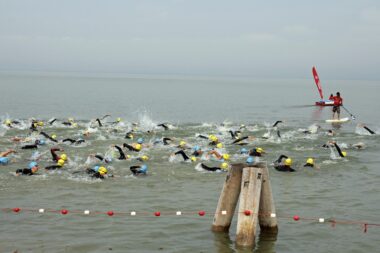
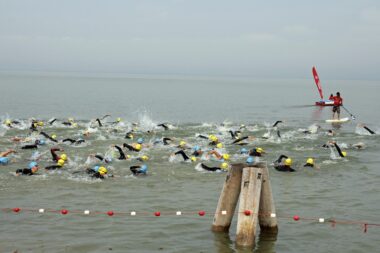
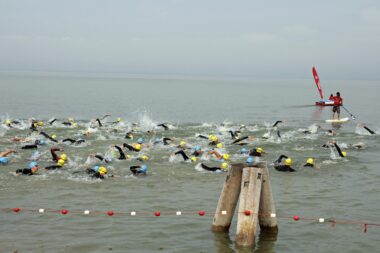
Cold water swimming has emerged as a popular practice that not only invigorates the body but also enhances mental health. Regular exposure to cold water can stimulate endorphin release, known as our body’s feel-good hormones. This natural boost can significantly alleviate symptoms of anxiety and depression, providing a form of therapy that doesn’t rely on pills. Participants often report a sense of euphoria, which can be attributed to the adrenaline rush experienced during cold dips. Additionally, engaging in outdoor swimming allows individuals to connect with nature, a vital factor for mental well-being. Being near water contributes to mindfulness, enabling swimmers to focus on the present moment. Furthermore, the community aspect of cold water swimming fosters social connections, combatting loneliness. Groups of swimmers often gather, creating supportive networks that enhance emotional resilience and psychological support. It’s essential to note that acclimatizing the body helps to withstand the cold, minimizing discomfort. Therefore, easing into this practice through gradual exposure can lead to psychologically beneficial changes. Ultimately, cold water swimming becomes an accessible health practice worth considering for anyone seeking improved mental health.
Physical and Mental Adaptation
One notable aspect of cold water swimming is its ability to foster both physical and mental adaptation. Initially, plunging into cold water can be shocking, triggering a fight-or-flight response in the body. However, as swimmers acclimatize, they develop resilience not only to cold temperatures but also to the stressors of daily life. This can be particularly valuable for individuals experiencing chronic stress or overwhelming emotions. The regular undertaking of cold swims creates a safe space for people to challenge themselves, allowing them to experience discomfort in a controlled environment. They learn to manage their responses and build confidence through each swim, thus cultivating a sense of mental toughness. These experiences can translate into improved everyday coping mechanisms, allowing individuals to confront life’s challenges head-on. Cold water swimming also encourages mindfulness during the activity, engaging swimmers to focus on their breath and surroundings instead of their worries. Integrating these practices into daily routines can create healthier mindsets and promote emotional stability. Moreover, the sense of achievement from enduring the cold often reinforces a swimmer’s self-esteem and motivation.
The emotional benefits of cold water swimming extend beyond the individual. Engaging with a community of like-minded swimmers can amplify feelings of connection and camaraderie. Shared experiences in cold water often lead to friendships, creating a support network that further enhances mental health. These group activities foster accountability, incentivizing individuals to push their limits while simultaneously offering encouragement. Many swimmers report feeling more engaged and less isolated as they participate in regular cold swims with others, filling their social calendars in a positive manner. The ritual of meeting at specific locations for swimming helps to establish a routine that can ground individuals amid a chaotic world. Since cold water swimming can be done year-round in various locations, this community aspect becomes increasingly beneficial as it offers consistent social interactions. Participants often share techniques, tips, and personal stories, empowering each other to persist through initial discomfort. Cold water swimming thus transforms into an opportunity for meaningful connection, leading to improved mental resilience. As individuals find their tribe, they cultivate deeper relationships that contribute to overall happiness, further enriching their lives.
In addition to the emotional and social benefits, cold water swimming can also improve physical health, which consequently supports mental wellness. Improved circulation resulting from exposure to cold water can enhance cardiovascular health and energy levels. Higher energy often translates into increased activity levels, which can help combat feelings of fatigue and lethargy often associated with depression. Regular swimming ensures the body remains active while also improving lung capacity. As swimmers train themselves to breathe properly and steadily, they develop better respiratory habits that can alleviate stress. As a cardiovascular workout, swimming releases pent-up energy, leading to a healthier mental state. Additionally, exposure to cold water may lead to a stronger immune system. A more robust immune response means fewer sick days and enhanced overall well-being, allowing individuals to focus on positive aspects of life. This interplay between physical fitness and mental health creates a holistic approach to health and wellness. Thus, cold water swimming illustrates how nurturing the body can lead to a calmer mind, making it a fantastic practice for maintaining both first-rate physical and mental health.
Mindfulness and Cold Water Swimming
Mindfulness is another key element benefiting from cold water swimming. The practice encourages individuals to concentrate on their breathing, technique, and sensations experienced in the water. This inward focus can distract from negative thoughts and anxieties. While submerged in cold water, swimmers become acutely aware of each breath, movement, and feeling present in their bodies. This heightened awareness fosters a meditative state, reducing mental clutter. Additionally, the cold can evoke a sense of aliveness, enabling swimmers to feel more connected with their bodies. Training the mind to handle discomfort and acknowledge emotions can lead to greater emotional regulation. Maintaining control over one’s reactions to cold water can metaphorically reflect how individuals handle external stresses. Moreover, the tranquility found in nature surrounding swimming areas enhances mindfulness as well. Natural settings have been shown to have calming effects on the mind, further supporting mental health. As a result, many cold water swimmers report not only feeling invigorated post-swim but also a lasting sense of peace and decreased anxiety. A satisfying mix of physical trial and mental peace makes cold water swimming a remarkable practice for holistic wellness.
The science behind cold water swimming and its psychological benefits is intriguing. Research has shown that cold exposure triggers dopamine release, a neurotransmitter linked to pleasure and motivation. This natural chemical response increases feelings of happiness and drive, encouraging individuals to engage in rewarding activities. Brain scans have indicated that regular exposure to cold water can alter brain chemistry, boosting mood and promoting positive thinking patterns. Additionally, certain studies suggest that cold water swimming can enhance cognitive function and focus, potentially leading to improved productivity in daily tasks. Participants often report clarity of thought and improved memory following regular cold swims. The energy derived from post-swim adrenaline rushes can enhance creative thinking and problem-solving abilities. Furthermore, for many, the challenge of confronting frigid temperatures cultivates a growth mindset. As individuals learn to navigate the discomfort, they often develop resilience and adaptability in various aspects of their lives. Cold water swimming, therefore, becomes more than just a physical activity, morphing into a powerful tool for mental expansion and clarity. Integration of such practices may lead to profound transformations in how individuals perceive their mental health.
Incorporating Cold Water Swimming into Daily Life
For those interested in experiencing the mental health benefits of cold water swimming, gradual incorporation into one’s routine is advisable. Start with short, manageable stints in cooler water before progressively extending time spent in these lower temperatures. Local lakes, rivers, or tidal areas can serve as ideal natural environments for this activity, eliminating the need for expensive facilities. It’s essential to prioritize safety, paying attention to weather conditions and temperature fluctuations. Additionally, having a buddy system in place can enhance the safety and enjoyment of swimming experiences. Consider attending local swimming clubs or groups to find similar-minded individuals that can provide support and camaraderie. This can also keep motivation levels high through accountability. Establishing a routine is vital; setting specific days and times for your cold water swims can help solidify this practice in your life. As you continue to engage in this transformative activity, you may find that the insights gained from each experience bolster your mental fortitude. Cold water swimming holds the power to positively influence your overall mental and emotional well-being.
In conclusion, cold water swimming offers a wide variety of mental health benefits that shouldn’t be overlooked. The combination of physical activity, community involvement, and mindfulness training creates an ideal environment for psychological improvement. By embracing cold water swimming, individuals cultivate resilience, foster meaningful connections, and promote their overall emotional wellness. The adventures in cold water not only rejuvenates the body but also serves as a potent tool for enhancing mental acuity, adaptability, and emotional stability. Engaging with nature during these experiences amplifies feelings of joy and fulfillment. Remember that starting small is key; every swim contributes to a stronger mind and body. Create a plan that includes gradual exposure, joined with others, and enjoy the journey towards better mental health. Those ready to dive into this exhilarating practice will likely find themselves not only refreshed but also surprising their own limits, discovering an invigorating passion and increasing overall happiness. Over time, swimming in cold water can reshape perspectives on discomfort, transforming it from a daunting challenge to an empowering experience. Embrace the cold, enjoy the swim, and unlock the vast benefits awaiting in the chill.