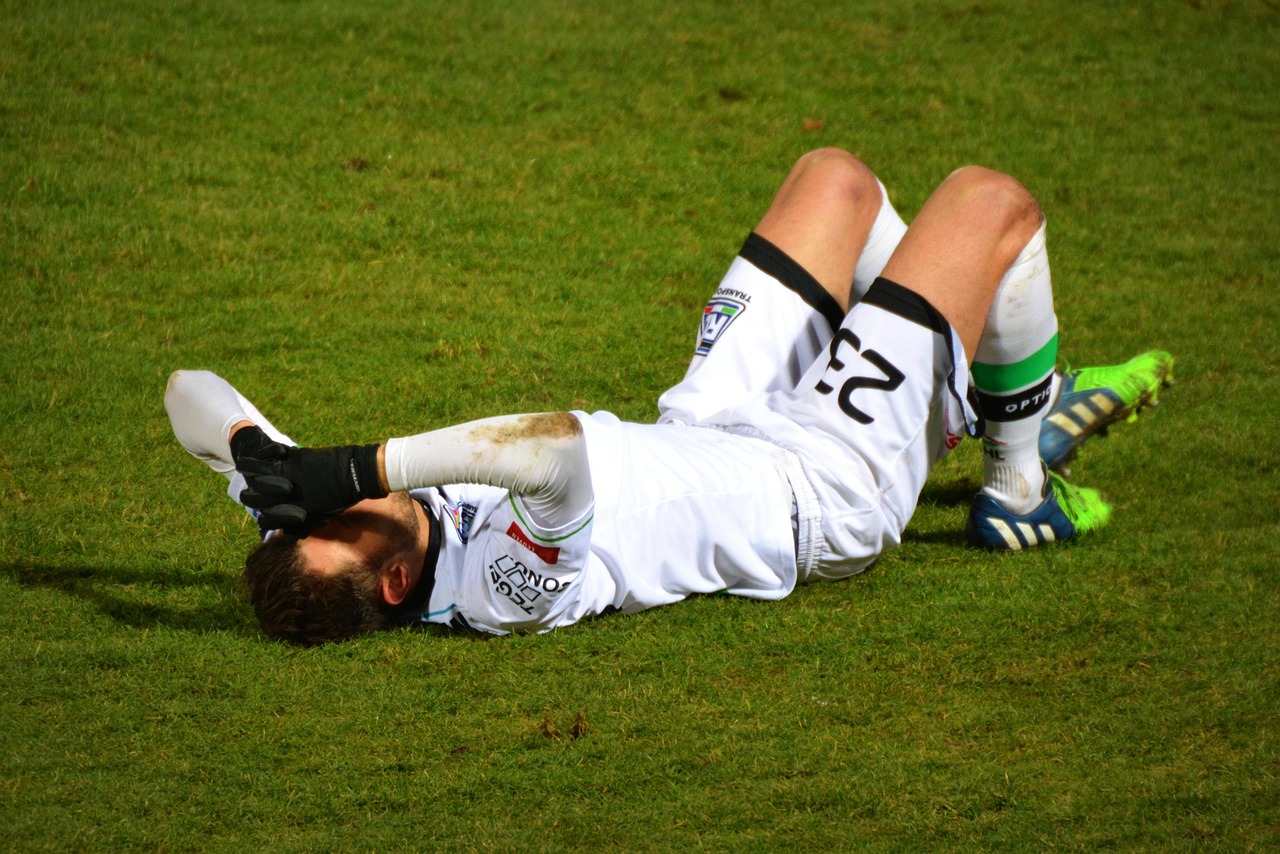

Coping with Injuries: Psychological Strategies for Basketball Players
Injuries can be a traumatic experience for basketball players, impacting both their physical and mental health. The psychological toll that accompanies these injuries can be significant, leading to feelings of inadequacy or frustration. Understanding how to cope with these emotions is crucial for recovery. Players often face a barrage of mental challenges, including fear of reinjury, loss of identity as an athlete, and anxiety about returning to competition. For instance, methods such as visualization can help players mentally rehearse their return to the court, reinforcing their confidence. Practicing mindfulness can also help athletes remain present, reducing stress. Additionally, maintaining open communication with coaches, teammates, and mental health professionals can create a supportive network, providing encouragement during recovery. Diversifying interests outside basketball offers a constructive avenue to manage feelings of isolation and frustration. Establishing short-term goals helps maintain motivation and optimism throughout the healing process. All these strategies work toward the ultimate goal of overcoming setbacks, fostering resilience and a positive mindset which are essential to a successful recovery journey.
Understanding Mental Resilience
Mental resilience is essential for basketball players navigating the challenges posed by injuries. When faced with physical setbacks, it is vital to acknowledge the emotional aspect of healing. Mental resilience refers to the ability to adapt to challenges and bounce back from adversity. Incorporating techniques to build resilience can make a tremendous difference in recovery processes. Factors such as self-awareness play a crucial role in helping athletes understand their thoughts and feelings. Acceptance of the injury can initially seem daunting but is critical in moving forward. Developing problem-solving skills can aid players in finding alternative ways to engage with the sport. This might include training modifications that respect recovery timelines while maintaining physical conditioning. Positive self-talk empowers athletes to remain focused on recovery goals, allowing them to visualize success. Emphasizing personal growth rather than solely focusing on performance can reshape one’s perspective during the rehabilitation phase. Building a robust support network, including teammates and coaches, ensures players feel connected and supported through this difficult journey. Lastly, continual progress tracking motivates athletes and helps them celebrate small victories en route to their goals.
Establishing a support system is paramount for athletes coping with injuries. In professional sports, camaraderie is a powerful tool. Teammates can often provide emotional and practical support, understanding the unique challenges associated with rehabilitation. Being open about feelings helps create a safe environment. Coaches also play a significant role, offering encouragement and guidance while allowing players to express their emotions. Sharing experiences, whether through team meetings or informal conversations, fosters solidarity among players. This shared journey diminishes the feeling of isolation many injured athletes face. Furthermore, mental health professionals can be valuable allies during this time. Seeking counseling can offer athletes coping strategies tailored to individual needs, equipping them with tools to manage anxiety and stress effectively. Incorporation of sport psychologists often aids in focusing on the present moment rather than impending futures filled with uncertainty. Finally, family and friends contribute a necessary external support network, reminding players of their worth beyond the courts and reinforcing their resilience. With a robust and understanding support system, athletes navigate through injury challenges with more significant confidence, ultimately leading to smoother recoveries.
Maintaining Physical Engagement
While injuries may force basketball players off the court, maintaining a level of physical engagement is critical for both mental and physical health. Engaging in alternative forms of low-impact exercise can facilitate recovery while supporting mental well-being. Activities such as swimming or cycling provide cardiovascular benefits without placing undue stress on injured areas. Moreover, focusing on rehabilitation exercises tailored to the specific injury fosters a sense of achievement. These activities can help prevent feelings of stagnation often associated with downtime. Additionally, athletes can use this opportunity to strengthen other areas of their bodies, enhancing overall athletic performance when they return. Participating in yoga or Pilates further supports flexibility and mental relaxation, countering anxieties about injury. It is essential for players to remain involved with their teams as well; attending practices or games helps maintain team bonds and keeps morale high. This engagement helps athletes remember their love for the game, reinforcing their commitment to recovery and return. Thus, finding ways to stay active significantly improves mental fortitude and lays the foundation for optimal recovery outcomes.
Another effective method for coping with injuries involves setting achievable goals during recovery. When managing an injury, it can be easy to feel overwhelmed and disheartened by setbacks. However, breaking recovery into small, manageable goals can help maintain focus and drive. Players can create short-term goals related to rehabilitation exercises, such as completing a specific range of motion or achieving particular physical milestones. Moreover, tracking progress is essential. Documenting daily accomplishments, whether through a journal or app, allows players to visualize improvements over time. Recognizing these achievements, no matter how minor, contributes to positive reinforcement and can combat feelings of frustration. Additionally, it aids in maintaining motivation and fostering a resilient mindset. Integrating goals associated with mental health, such as practicing visualization techniques or positive self-affirmations, further enriches recovery. This dual focus on physical and psychological wellbeing nurtures holistic healing strategies. Ultimately, remembering the purpose behind these goals—returning to the court—is essential. Keeping the bigger picture in mind creates ongoing motivation and sustains a positive attitude throughout the rehabilitation journey.
The Role of Visualization in Recovery
Visualization plays a significant role in helping basketball players cope with injuries effectively. By mentally picturing successful recoveries and performances, athletes can enhance their psychological readiness for return. This technique involves vividly imagining oneself participating in their sport, executing plays successfully, and enjoying the game’s aspects. Visualization trains the brain to prepare for actual physical performance. When athletes consistently visualize positive outcomes, it can significantly influence their confidence and reduce anxiety surrounding reinjury. Incorporating visualization practices into daily routines can be highly beneficial during rehabilitation. For instance, dedicated time for visualization before rehabilitation exercises or training sessions can create a motivational boost. Additionally, combining visualization with relaxation techniques can promote mental clarity. Listening to calming music or guided imagery helps athletes engage in focused visualization sessions. Over time, visualization fosters a sense of ownership over one’s recovery journey, reinforcing belief in their abilities. Familiarizing oneself with the mental side complements physical rehabilitation techniques, creating a holistic approach to healing. Ultimately, integrating visualization throughout the recovery process strengthens athletes’ mental states and prepares them for successful returns to court.
Finally, maintaining a positive mindset is critical throughout the injury recovery journey. Acknowledging negative thoughts is a natural part of the healing process; however, allowing them to spiral can significantly hinder progress. Athletes must cultivate strategies for transforming these thoughts into more constructive beliefs. Employing techniques such as gratitude journaling can shift focus toward appreciation for positive aspects in life. Reflecting on what one can control, such as active participation in rehabilitation exercises, fosters a proactive mindset. Encouragement from coaches, teammates, and mental health professionals can reinforce this positive outlook. It is essential for players to remember that setbacks are a normal part of sports, and recovery is a gradual process. Encouraging self-compassion, players should learn to celebrate small victories and progress instead of dwelling on perceived failures. Engaging with motivational literature or videos about other athletes overcoming challenges can reignite enthusiasm and determination. Ultimately, fostering a positive mindset reinforces mental resilience and enhances the recovery process. This shift not only strengthens confidence but prepares athletes for a successful return to basketball.
Conclusion: Embracing the Journey
Coping with injuries requires multifaceted strategies for psychological well-being in basketball players. Embracing the journey will strengthen players’ resolve as they tackle their rehabilitation processes. Utilizing support systems, fostering resilience, and maintaining physical engagement are crucial components in moving forward effectively. Players should never underestimate the power of mental strategies like visualization, goal-setting, and cultivating a positive mindset. Incorporating these strategies facilitates not just recovery but also personal growth. As athletes navigate their healing journey, it is vital to remember that every setback offers an opportunity for learning. With the right tools and mindset, overcoming injuries can bolster not only mental fortitude but also overall performance on the court. Accepting and embracing the recovery process allows athletes to develop new skills and perspectives, reinforcing the psychological aspect of their game. The journey itself will shape them, providing invaluable life lessons. Building mental strength will undoubtedly make them better athletes and individuals. Ultimately, this comprehensive approach can transform injury challenges into pathways for extraordinary growth, leading to lasting success both in basketball and life.