
Guided Core Cooldown Stretching Routine for Beginners
Cooldown stretches are critical for any workout routine, especially after core training. They help muscles relax and recover, preventing injury and enhancing flexibility. Incorporating cooldown stretches can significantly enhance performance and reduce soreness. It is essential to approach these cooldowns mindfully, focusing on breathing and muscle relaxation. Start by finding a comfortable space where you can stretch without distractions. You may want to create a serene atmosphere with calming music or a peaceful environment. While performing these stretches, listen to your body’s signals. If a stretch feels too intense, ease off gently to avoid any discomfort. Consistency is key; aim to incorporate cooldown stretches into your routine after every core workout. Over time, you will notice improvements in your flexibility and overall physical performance. Always remember to hydrate before and after your session as proper hydration aids recovery. From the basic to the more advanced moves, cooldown stretches promote blood flow, which is essential for muscle repair. Try setting aside a few extra minutes after each workout for this critical recovery phase. Developing this habit will yield significant benefits for your physical well-being and overall health.
One foundational cooldown stretch to incorporate into your routine is the Cat-Cow stretch. This move is excellent for transitioning from an active state to a calming one. Start on your hands and knees in a tabletop position. Inhale as you arch your back, lifting your head and tailbone while dropping your belly, then exhale as you round your spine and tuck your chin to your chest. Perform this sequence slowly to enjoy the benefits of stretching. It effectively loosens up your back muscles while providing a nice stretch to your core and abdominal area. Another fantastic stretch is the Child’s Pose, which aids in grounding the body. From a kneeling position, lower your torso onto your thighs, stretching your arms forward. Digging your toes into the mat enhances the stretch along your sides. This stretch provides a sense of profound relaxation, allowing your body to recover. Hold each of these stretches for at least 30 seconds, breathing deeply. Focus on relaxing into the stretch rather than forcing your body deeper. These foundational stretches will gradually become integral to your cooldown routine.
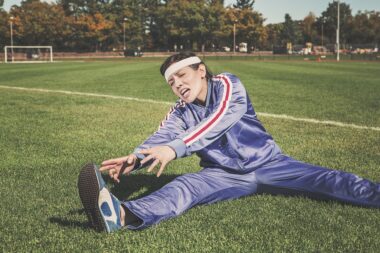
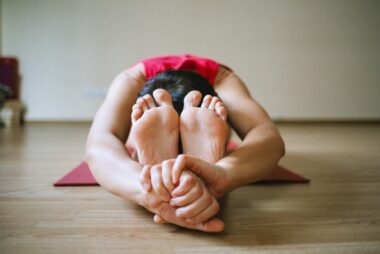
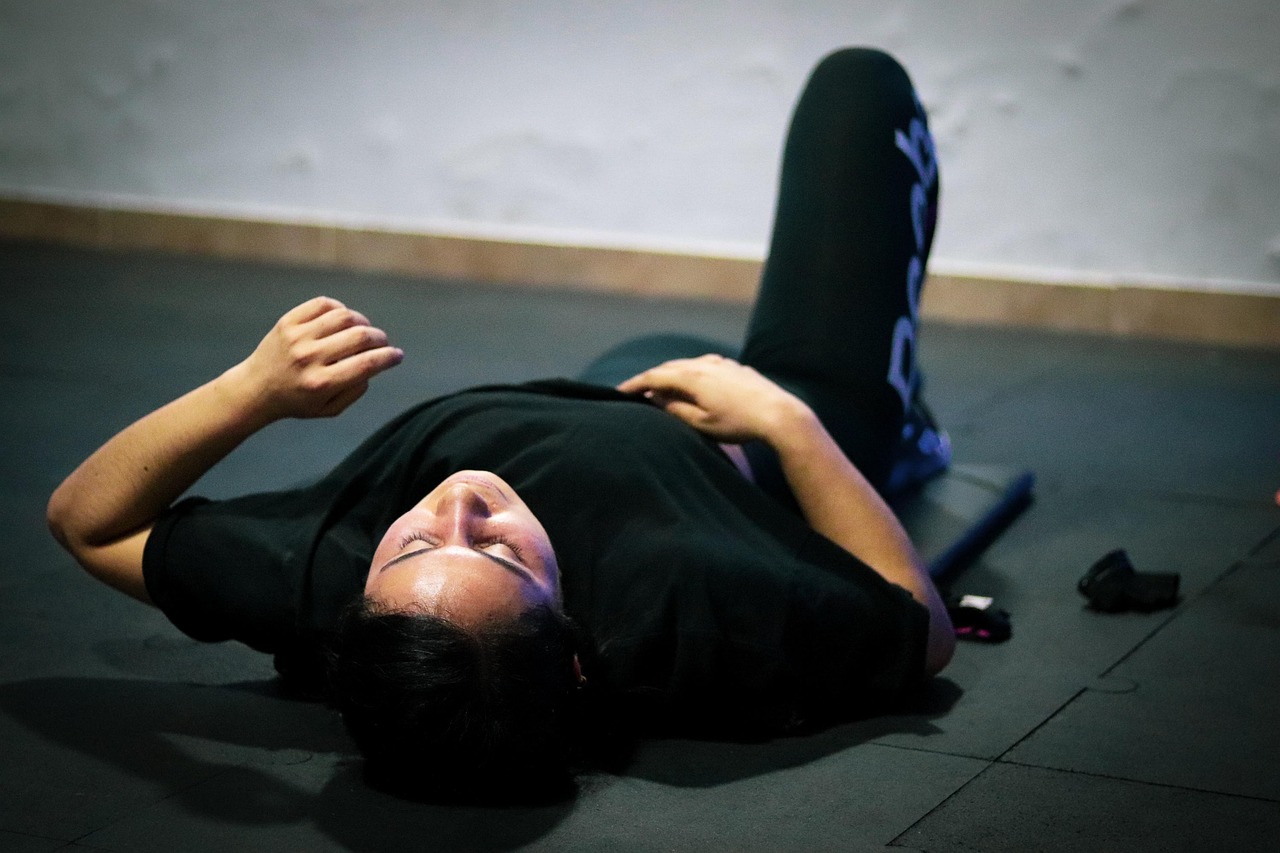
Additionally, the Seated Forward Bend is another essential stretch to include. This stretch targets the hamstrings, lower back, and core area, promoting flexibility and relaxation after intense core workouts. To perform this stretch, sit with your legs extended in front of you, feet flexed. Inhale deeply, then exhale as you hinge at your hips, reaching for your feet or wherever your hands can comfortably go. Allow your torso to relax into the stretch; never force it. This pose encourages relaxation while stretching vital muscle areas. Remember to keep your spine lengthened as you lean forward; rounding your back can negate some benefits. Another beneficial stretch is the Supine Twist. Lying on your back, bend your knees and let them fall to one side while keeping your shoulders flat on the ground. This stretch helps release tension in the spine and core, providing relief and restoring mobility. It should feel gentle and calming. Hold for 20 seconds on each side, allowing your breath to deepen. Together, these stretches prepare your body for recovery, enhancing overall well-being.
Incorporating Breathing Techniques
In addition to physical stretches, practicing deep breathing during your cooldown routine is vital. Breathing techniques enhance relaxation and promote a sense of calm throughout your body. Begin by sitting or lying comfortably and close your eyes if you prefer. Inhale through your nose deeply, filling your diaphragm, then exhale slowly through your mouth. Aim to extend your exhalation slightly longer than your inhalation. This method helps activate your body’s relaxation response, reducing heart rate and muscle tension. You may incorporate this breathing technique during each stretch. As you hold a position, focus on your breath and visualize releasing tension in your muscles with each exhale. Maintaining a slow, steady breath allows your body to enter a recovery state more efficiently. Combining stretches with focused breathing helps clear the mind and enhance physical awareness. This synergy promotes recovery after your core training session. Gradually, you’ll notice significant improvements in your flexibility and mindset. Integrating breathing techniques will positively influence not only your cooldown sessions but your approach to future workouts, enhancing your overall training experience.
Don’t overlook the importance of hydration during your cooldown routine. Water is essential in any fitness routine, especially after intense core workouts. As you stretch, your body’s demand for hydration increases since the muscles exerted may lose fluids. Drink water before, during, and after your sessions to replenish lost fluids. Proper hydration aids in muscle recovery, helping prevent cramping and muscle tightness. For added support, consider enjoying a refreshing electrolyte drink, particularly after a long or strenuous workout. These drinks can help replace lost minerals, keeping your body functioning optimally. Also, consider incorporating post-workout snacks rich in protein to facilitate muscle recovery. Foods such as Greek yogurt, fruits, or smoothies can be excellent options. These snacks, combined with hydration, support muscle regeneration. Always remember to listen to your body; if you’re feeling fatigued, take additional time for hydration and recovery. Set aside a post-workout routine that allows you to prioritize these essential needs. Emphasizing hydration and nutrition will further improve your cooldown routine, complementing your overall gym efforts.
Conclusion
In conclusion, cooldown stretches should not be ignored in your core training routine. They are crucial for muscle recovery and enhance flexibility while reducing the risk of injury. By incorporating these techniques, such as the Cat-Cow stretch, Child’s Pose, and Seated Forward Bend, you will create a holistic approach to your fitness routine. Additionally, don’t forget the calming aspect of breathing techniques that can help relax your body even further. Deep, focused breaths increase awareness of your muscles and overall well-being. Moreover, the attention to hydration and proper nutrition post-workout will promote quicker recovery and prepare you for your next training session. Take time to explore various stretches and discover what works best for you as you gain more flexibility and strength through consistent practice. Track your progress and celebrate your improvements; this will enhance your motivation to stick to your cooldown routine. Ultimately, a comprehensive cooldown routine after your core training will yield significant long-term benefits, promoting a balanced and enjoyable fitness routine that can be sustained for the long haul.
When you first start your workout journey, developing consistency in core workouts is key. Sticking to a structured routine will provide better results over time. As you engage regularly in core training, your body will adapt, and incorporating essential cooldown stretches will complement your efforts. You may also consider tracking your progress through journaling or using fitness apps that help monitor your workouts and cooldown sessions. This will be beneficial in identifying improvements and areas needing more focus. As your skill level increases, you can adapt your cooldown routine by introducing more advanced stretches to keep your practice fresh and engaging. Mixing up stretches and techniques will maintain enthusiasm and might even push you further toward your fitness goals. Always remain patient, as flexibility and strength take time to develop. With commitment, your cooldown routine can significantly shape your overall success in fitness. Remember, cooldown stretches are not simply a conclusion; they play a vital role in your growth and physical performance. So, be sure to embrace this practice wholeheartedly as part of your training journey.
Ultimately, crafting a guided core cooldown stretching routine for beginners involves understanding the significance of flexibility and relaxation. Engaging in consistent cooldown practices fosters a rapidly recovering body, allowing you to tackle the next workout session more effectively. It also supports mental health by promoting mindfulness and stress relief that stems from deep stretching and breathing. Your cooldown routine should feel rewarding, a time when you honor your body’s hard work throughout the workout. Wanting to skip cooldown stretches may hinder your progress; so encourage yourself to embrace these vital moments. Share your experiences, challenges, and tips with fellow beginners, as community support significantly fosters motivation. Consider enrolling in group classes or virtual workshops that focus on cooldown techniques and stretching methods for supportive learning experiences. The information and tools you gain from these communal engagements will help solidify your cooldown practices. Prioritize this essential cooling down phase. You will reap enormous benefits in flexibility, recovery, and overall athletic performance while reinforcing a lasting commitment to self-care. Now, go ahead and embrace the world of cooldown stretches as you evolve in your training journey.