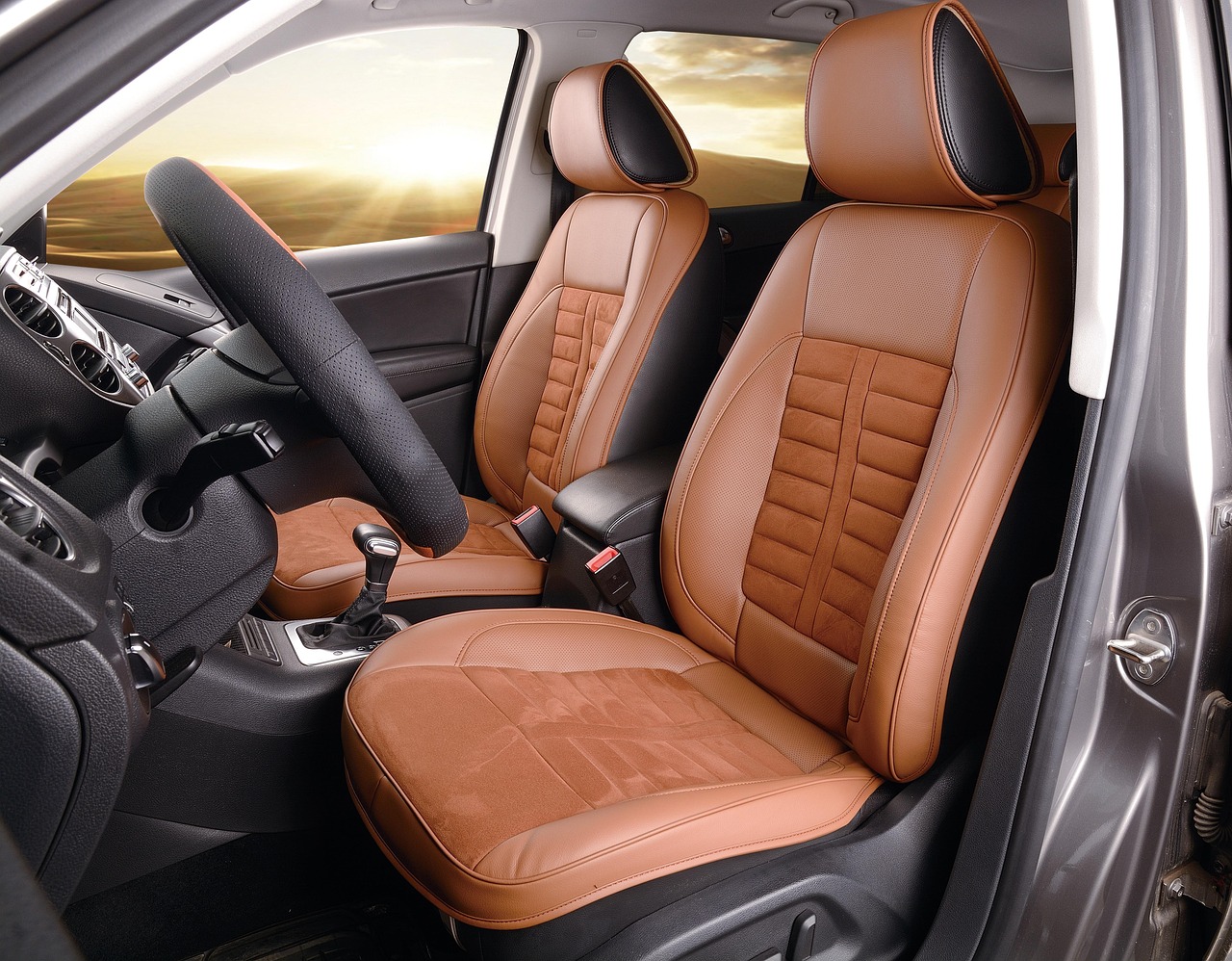

Importance of Proper Seat Belt Positioning
Using a seat belt properly is essential not just for safety but also for ensuring good ergonomic posture while driving. When the seat belt is positioned incorrectly, it can cause undue stress on your body, leading to discomfort and potential long-term musculoskeletal issues. To optimize your driving experience, it’s crucial to make sure your seat belt fits snugly across your lap and sternum. Adjust the seat belt so that it properly crosses the middle of your chest and rests low across your hips. An appropriate fit also helps in distributing forces evenly during a collision. Regularly check the positioning of your seat belt before starting your journey, as changing your seat position may impact how the seat belt fits you. This adjustment is particularly important if multiple drivers share the same vehicle. Make sure that the shoulder belt is not too high on your neck, as this can lead to discomfort and potential injury during sudden stops or accidents. Using a seat belt positioning device can also improve comfort, especially for shorter individuals or those with body proportions that require further adjustments.
Adjusting Your Seat for Optimal Support
Your driving posture is significantly influenced by the way your seat is adjusted. An ergonomic seat adjustment allows for better positioning of the seat belt, promoting a more natural and comfortable sitting posture. When you adjust the seat, ensure that your back is firmly against the seat back, offering support to your lumbar region. Your knees should be slightly lower than your hips, and the seat should allow your arm to drive comfortably with a slight bend. This is important for ensuring that the seat belt can lie flat against your body, helping to prevent injuries in case of sudden stops. Position your seat so you can grasp the steering wheel easily, with your shoulders relaxed. When seated correctly, you’ll have improved overall control over your vehicle and a better field of view. Remember, a well-adjusted chair not only supports good posture but also helps in reducing fatigue during long drives, which directly affects your safety on the road. Lastly, always remember to check and readjust based on your comfort periodically, especially for longer commutes.
Understanding the Role of Lumbar Support
Lumbar support plays a central role in achieving optimal posture during drives, especially for those who spend extended periods in their vehicles. A well-designed seat should support the natural curve of your lower back, minimizing strain on your spine. Without adequate lumbar support, you risk slouching, which can lead to discomfort over time. If your vehicle lacks sufficient built-in lumbar support, consider using a lumbar cushion, which can be strategically placed behind your lower back. This helps maintain an ideal posture while ensuring the seat belt remains correctly positioned across your torso. Additionally, adjust the height of your seat to ensure your lumbar region is adequately supported. The right angle can also contribute significantly to how the seat belt fits around your body, preventing it from going too high. Frequent adjustments may be necessary as situations change, such as carrying extra passengers. Short drive breaks also provide an opportunity to reset posture and seat positioning to prevent further discomfort. Therefore, investing in a good ergonomically designed seat or cushion can yield substantial health benefits.
Choosing the Right Type of Vehicle
Choosing the right type of vehicle is essential for ensuring proper posture and seat belt positioning, particularly for long journeys. Different cars have varying seat designs that can impact your driving ergonomics significantly. For instance, some vehicles offer adjustable lumbar support and multi-directional seat adjustments, which can be superior for comfort. Research on cars that specifically focus on ergonomic design can be beneficial in preventing discomfort during drives. When test driving a vehicle, pay attention to how the seat feels against your back and whether the seat belt comfortably fits across your body. A supportive seat will promote better posture and minimize strain from prolonged sitting. Look for cars with features such as adjustable seat heights, depth, and inclines that can be tailored to fit your body type. Choosing vehicles designed with ergonomic seating ensures that your seat belt will have the proper positioning to protect against injury and provide comfort. Investing in a suitable car model not only promotes better health but also enhances your overall driving experience while allowing greater focus on the road.
Tips for Long-Distance Travel
Long-distance travel can challenge even the best seat belt practices if comfort and posture are not prioritized. Regular breaks are essential; making stops every couple of hours can greatly ease tension and reduce fatigue. When you stop, take a few minutes to stretch your legs and adjust your posture. During long trips, you might also consider using posture support tools like cushions and lumbar supports, which can significantly enhance comfort levels. Also, reposition your seat slightly during breaks to adapt better as your body may change states. Make sure to remember that proper seat position allows the seat belt to fit snugly yet comfortably. Engage in light stretches while seated by shifting your shoulders and neck gently to avoid stiffness. Stay hydrated as well, as it contributes to overall well-being. Furthermore, ensure that your seating position optimally positions seat belts over your body. Using cruise control, if available, can provide a break for your legs and promote relaxing while maintaining proper posture and safety. These small adjustments can contribute massively to a more enjoyable and safer trip.
Regular Maintenance of Seat Components
Regular maintenance of your vehicle’s seat components can significantly impact your posture while driving. Over time, seat materials can compress, affecting your lumbar support and overall seat effectiveness. Regularly inspecting and cleaning the seat, including its upholstery, will ensure optimal performance. If you notice any wear or a lack of support, consider looking into replacement seat cushions or covers that can restore your seating comfort and ergonomics. Ensure that your seat adjustments function smoothly, allowing you to find the perfect position that encourages a natural spine alignment. Components like the headrest and armrests also need to be adjusted correctly as they contribute to the overall ergonomics and your posture during driving. Adequate support allows you to maintain a proper seat belt positioning, as a loose or slumping posture could misplace the seat belt during driving. Additionally, check the seat belt itself for any signs of wear or damage. A malfunctioning seat belt system can happen over time and compromise your safety. Thus, regular assessments can enhance not only your immediate comfort but also keep you safe on the road.
Enhancing Posture Through Strategic Equipment Use
Enhancing posture while driving doesn’t solely rely on adjustments to the seat or seat belt. Introducing ergonomic devices such as seat cushions, posture correctors, and even car organizers can also immensely benefit posture and comfort. These tools can promote a healthy seating position while enabling you to access what you need while on the road. This reduces the need to reach or twist excessively, which can strain your back. When properly positioned, seat cushions can elevate the hips, promoting proper alignment of the spine. Consider devices that provide additional lumbar support or that help to keep your shoulders back, reducing slouching. They have the added advantage of ensuring that the seat belt is correctly positioned, enhancing safety during drives. Furthermore, using supportive driving shoes can also improve your driving posture, allowing for better control of the pedals. Assessment of your driving setup is essential; sometimes, minor equipment changes can lead to significantly improved comfort levels. Prioritizing ergonomic assistance is a wise investment in not only your comfort but also your overall health.
Conclusion
In conclusion, using seat belt positioning to support good posture is crucial for both safety and long-term health while driving. Making necessary seat adjustments, ensuring lumbar support, and regularly maintaining your vehicle’s seating components play a vital role in this process. Additionally, all drivers should prioritize the selection of a vehicle that emphasizes ergonomic design, and take advantage of strategic driving aids to further enhance posture. Alongside scheduled breaks for long-distance journeys, these practices can lead to a more enjoyable and safe driving experience. Moreover, cultivating awareness around the importance of seat belt positioning cannot be overstated, as it directly correlates with specific health outcomes. Investing in your driving ergonomics is an ongoing journey that ultimately pays off in enhanced comfort, minimized physical strain, and improved safety during travels. Implementing these recommendations consistently will lead to significant improvements in not only your driving experience but also your overall health during your time on the road. Therefore, let good posture and practical seat belt positioning guide your journey ahead.