
Hydration and Skin Health: What Athletes Should Know
Hydration plays a crucial role in skin health, particularly for athletes who engage in intense physical activities. Maintaining optimal fluid levels not only supports overall health but directly influences skin appearance and moisture retention. When athletes sweat, they lose electrolytes and water, which can lead to dehydration. Dehydrated skin appears dull, flaky, and is more prone to irritation. To avoid these issues, athletes should prioritize hydration before, during, and after workouts. It is advisable to drink water regularly throughout the day to meet hydration needs effectively. Additionally, incorporating hydrating foods such as watermelon, cucumbers, and oranges can significantly help replenish lost fluids. These foods not only contribute to hydration but also provide essential vitamins and minerals that support healthy skin. In some cases, athletes may benefit from electrolyte-rich drinks, especially after long-duration workouts. These drinks can help restore balance quickly. The key takeaway is that hydration impacts skin health, and athletes should create an individualized hydration strategy for optimal performance and skin wellness.
Understanding the Impact of Dehydration
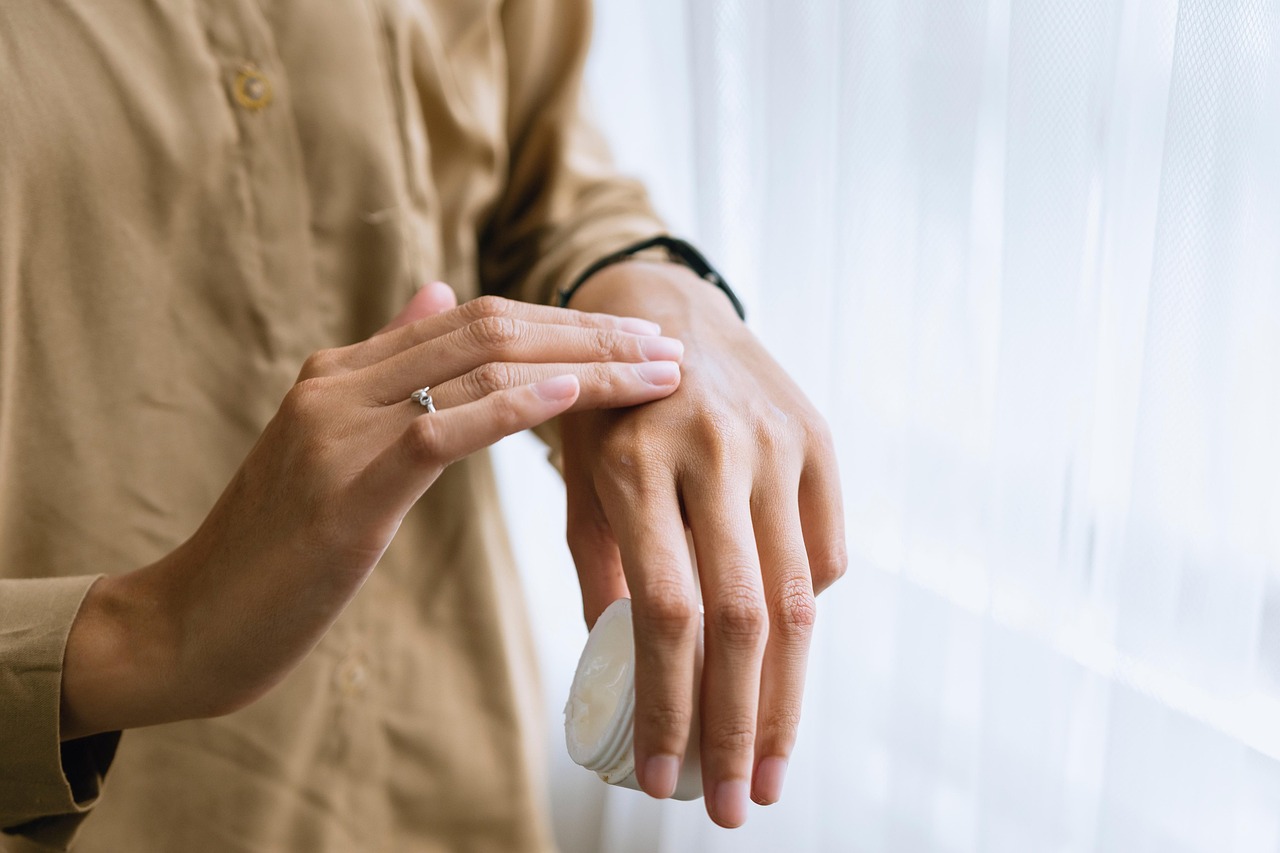
Dehydration can have various effects on the skin that athletes should recognize. When the body is low on fluids, skin elasticity decreases, causing the skin to lose its natural glow. Prolonged dehydration can lead to dry patches and exacerbation of existing skin issues, such as acne or eczema. In athletes, the combination of sweating during intense training and inadequate fluid intake can hasten these effects. Furthermore, dehydration can affect the skin’s ability to heal, making it essential to prioritize fluid intake. Athletes should be conscious of their body’s signals. This includes looking for signs like dry mouth, fatigue, or concentrated urine, which indicate the need for more fluid. For athletes engaging in high-intensity workouts, having a hydration schedule can be beneficial. Setting reminders to drink water or carrying a reusable water bottle can encourage regular fluid intake. Moreover, athletes might consider enhancing their hydration through the application of topical moisturizers. These occlusive products can provide extra hydration to the skin’s outer layer, helping to alleviate dryness. Ultimately, athletes need to strike a balance between internal and external hydration.
Another aspect of hydration that athletes should consider is the connection between hydration and skin aging. Studies have shown that proper hydration can slow down the visible signs of aging, such as fine lines and wrinkles. When skin is well-hydrated, it appears plumper and more youthful. Conversely, dehydrated skin can accentuate aging signs, making it crucial for athletes to focus on hydration, especially as they age. Using moisturizers with hyaluronic acid or glycerin can help retain moisture on the skin’s surface. These ingredients draw water into the skin, enhancing overall appearance and feel. In addition to topical hydration, internal hydration is equally essential; hence, athletes should aim for a minimum of eight glasses of water daily, or more based on individual needs. Furthermore, include foods rich in antioxidants, like berries, which can provide added protection against skin damage from environmental stressors. Athletes might also experiment with herbal teas or infused water for variety and additional nutritional benefits.
Tips for Effective Hydration
To maintain adequate hydration levels, athletes should adopt practical and effective hydration strategies. One useful approach is to establish a detailed hydration plan that accounts for factors such as activity duration, weather conditions, and personal fluid requirements. It’s beneficial to drink water before feeling thirsty, as thirst is often a late indicator of dehydration. A good rule of thumb is to drink at regular intervals, aiming for approximately every 15 to 20 minutes during strenuous exercise. Bringing a portable water bottle during workouts can encourage this habit. Monitoring the color of urine can also be an effective gauge of hydration status; pale yellow urine typically indicates proper hydration, while darker shades may signal a need for more fluids. Moreover, athletes need to recognize the role of electrolytes in hydration. Adding electrolyte tablets to water can enhance absorption and retention, especially after long exercise sessions. Eating meals high in water content can complement fluid intake. Foods like soups or smoothies can provide both hydration and nutrition. Overall, a comprehensive approach to hydration can significantly improve performance and skin health.
Additionally, understanding specific hydration needs may vary based on the sport or activity type is vital for athletes. Endurance athletes, for instance, might require a different hydration strategy compared to strength trainers. Endurance athletes can lose significant amounts of fluids through sweat and should focus on replenishing electrolytes regularly during long events. In contrast, athletes involved in shorter, high-intensity sessions may not deplete as much fluid and can manage hydration more easily. Therefore, being aware of the physical demands of the sport can help tailor hydration strategies effectively. Implementing a fluid replacement schedule tailored to individual body weights can also prove beneficial. Weight loss during exercise is often an indicator of fluid loss, and athletes should consider replenishing one liter of fluid for every kilogram of body weight lost. Hydration testing can help determine personal hydration levels, ensuring athletes remain at peak performance. Regular consultations with a sports nutritionist can also provide guidance on proper hydration practices tailored to specific sports and individual needs, enhancing both performance and skin appearance significantly.
Benefits of Staying Hydrated for Skin Health
Staying hydrated offers numerous benefits for overall skin health, particularly for athletes who are constantly active. Proper hydration assists in maintaining skin elasticity, which is vital for preventing sagging and promoting a youthful appearance. Additionally, hydrated skin helps in the healing process of any minor cuts or abrasions that may occur during physical activity. This is especially important for athletes as they often experience skin irritations caused by equipment or exertion. Moreover, hydration influences the skin’s barrier function, protecting it from environmental pollutants and pathogens. A strong barrier keeps skin moisturized and less prone to infections. Including Omega-3 fatty acids in the diet can further enhance skin health by reducing inflammation. Foods such as walnuts, chia seeds, and fatty fish are excellent sources of these beneficial fats. Furthermore, regular skin care routines should complement hydration strategies. Essential products like moisturizers should be used to lock in moisture, providing long-lasting hydration. Athletes are encouraged to practice comprehensive skin care by incorporating both hydration and nutrition strategies that support and protect their skin, ensuring it remains healthy and resilient.
It is also important to note that hydration affects not only the skin but overall health, which in turn influences athletic performance. When dehydrated, athletes may experience fatigue, decreased concentration, and impaired physical performance. These drawbacks can consequently lead to an increase in the risk of injury, impacting long-term athletic career prospects. Therefore, maintaining hydration is essential not just for immediate performance but long-term health as well. Implementing a daily hydration strategy will help to sustain energy levels and optimize performance. Athletes should not overlook the significance of hydration in their training regimens. Regular hydration assessments, along with tracking daily fluid intake, can help ensure athletes remain well-hydrated. Incorporating hydrating snacks post-workout, like yogurt or fruits, can aid in recovery. Monitoring personal hydration needs and how the body responds to different hydration strategies is crucial for athletes’ well-being and performance. Ultimately, adherence to effective hydration practices leads not only to better physical performance but also to enhanced skin health, showcasing the interconnected nature of hydration and athletic success.