
Hydration Tips for Pregnant Athletes: Balancing Daily Water Intake Safely
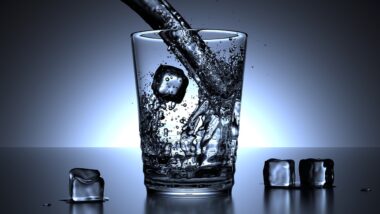
Pregnant athletes face unique hydration needs that require careful balance. Staying hydrated is key, as it supports overall health, aids digestion, and helps control body temperature. It’s advised that pregnant athletes consume enough fluids to maintain their pregnancy hydration needs and support their athletic performance. A good general guideline is to aim for at least 10 cups of water daily during pregnancy. This amount may increase depending on activity levels, especially during workouts or training sessions. Consider your specific body weight, activity intensity, and climate when determining your hydration needs. It’s crucial to listen to your body’s signals; thirst can help guide your water intake. Variety in fluid sources can also help meet your hydration requirements. Foods that contain high water content, like fruits and vegetables, can contribute to overall fluid intake. Additionally, there are low-sugar hydrating drinks that can supplement water intake effectively, allowing for an enjoyable way to stay hydrated while exercising. Pregnant athletes should always consult with healthcare providers for personalized recommendations, focusing on maintaining not just hydration but overall well-being. Balancing needs is essential for both mother and baby.
Monitoring hydration can be essential for performance and safety during pregnancy. Pregnant athletes often sweat more, which can lead to a loss of essential electrolytes. Therefore, including electrolyte-rich beverages may aid recovery and replenish lost nutrients after exercise. Consider options like coconut water, low-sugar sports drinks, or natural fruit smoothies containing electrolytes. Most importantly, aim to drink consistently throughout the day rather than waiting until thirsty. Keeping a water bottle handy can serve as a reminder to drink regularly and track fluid intake. Moreover, observe your urine color as an indicator of hydration; pale yellow suggests proper hydration, while darker shades prompt increased fluid intake. Be aware of overheating symptoms, as dehydration can exacerbate fatigue and elevate body temperature. If you’re engaging in vigorous physical activity, it may benefit you to drink even more fluids before, during, and after workouts. Alternating electrolyte drinks with plain water can create a good strategy to serve hydration needs. Experimenting with various hydration methods can ensure comfort and pleasure during physical activities. This personalized approach will empower pregnant athletes to embrace their athletic pursuits safely and healthily.
Adjusting Hydration Based on Activity
The amount of water needed may vary daily based on activity levels and individual metabolism. A lighter training day may require less hydration compared to an intensive workout session. It’s important to strategize water intake based on when workouts occur, ideally hydrating thoroughly both before and after exercising. During moderate exercise, sipping water regularly helps maintain performance without causing discomfort. Always be mindful of the specific requirements based on your sport or exercise routine. Depending on environmental conditions, hydration needs can also fluctuate. Hot or humid conditions require additional fluid intake to compensate for increased perspiration. Conversely, cooler climates may lessen the need for hydration. A general suggestion during exercise is to drink about 7-10 ounces of water every 10-20 minutes while active. Experimentation with personalized hydration plans is crucial; some may find it beneficial to use an app or a hydration journal to track daily fluid consumption. This practice helps ensure consistent intake and understanding of personal hydration needs as the pregnancy advances. A combination of water, electrolytes, and timing considerations helps keep pregnant athletes active and healthy.
During pregnancy, hydration can play a vital role in combating common discomforts. Increased fluid intake can help alleviate issues such as swelling, constipation, and even energy levels. Incorporating easily digestible fluids, such as herbal teas or clear soups, can offer comforting options for hydration. Furthermore, staying hydrated helps improve blood circulation, potentially reducing common aches and pains. Opt for fruits such as watermelon, oranges, and berries, which not only provide hydration but also vital nutrients. Ensuring a diet high in potassium can also help balance fluid levels and provide essential support for both mother and baby. Planning meals around hydration can ensure you’re meeting nutritional needs while enjoying refreshing flavors. When it comes to hydration methods, try to combine solid foods with hydrating liquids to maximize fluid intake for the day. Evaluate any pregnancy symptoms regularly, adjusting daily water intake to meet physical demands. Making a habit of drinking water during meals can also help reach daily hydration goals without feeling overwhelmed. Establishing reliable routines throughout the pregnancy can improve comfort levels, benefiting both activities and health.
Safe Hydration Practices
Staying hydrated safely requires careful consideration of the quality and sources of water consumed during pregnancy. Always ensure the water you drink is clean and safe. Tap water consumption should be evaluated based on local water safety guidelines. Filtered or bottled water can be smart choices if there are concerns regarding tap water quality. Be cautious around certain beverages; sugary drinks or excessive caffeine can lead to unwanted complications. Instead, focus on natural sources of hydration. Homemade electrolyte drinks can serve as a convenient and healthy option. Mixing water with a bit of lemon juice and a pinch of salt can create an electrolyte replacement that’s easy to prepare. Additionally, pay attention to alcohol consumption; hydration guidelines typically recommend avoiding alcohol entirely during pregnancy to promote the wellbeing of both mother and baby. By creating a hydration plan that prioritizes high-quality sources, pregnant athletes can promote optimal health. This practice ensures that they support hydration goals while engaging in their favorite sports and activities. Remember, the right balance of hydration is pivotal for safety and performance during this significant time in a woman’s life.
Encouragement and support from partners, family, and coaches can be immensely beneficial for pregnant athletes aiming to meet hydration goals. Forming a network that prioritizes health and fitness can foster a positive environment promoting consistent hydration habits. Sharing experiences and discussing hydration methods can motivate athletes to stay on top of their needs. Create hydration challenges, placing emphasis on drinking adequate amounts together as a team or family to stay accountable. Additionally, planning group meals that incorporate hydrating foods keeps everyone aware of their hydration needs. Using fun apps or trackers can gamify the experience, making hydration more engaging for everyone involved. Joining support groups or online forums focused on pregnant athletes can also offer valuable insight into hydration strategies tailored specifically for this group. The shared experiences of others can inspire and educate on finding the right balance for daily intake. Through collaboration and dialogue, pregnant athletes can thrive both physically and emotionally. Responsibly managing hydration while encouraging each other helps cultivate community ties that support well-being during this vital journey.
Conclusion and Real-Life Application
In conclusion, providing adequate hydration not only supports physical efforts but is crucial for overall wellbeing during pregnancy. Pregnant athletes have unique hydration needs and must navigate their requirements carefully, balancing their active lifestyles with health considerations. Through proper planning and understanding of hydration techniques, individuals can enhance their daily routines and meet necessary goals. Monitoring signals from the body will allow for personal tailoring of hydration strategies that adapt over the course of pregnancy. Regular feedback from healthcare providers can enhance your approach as the pregnancy progresses. Each woman’s journey is unique, and customizing hydration practices offers the best chance of balancing health and activity. Make hydration an enjoyable aspect of daily routines, experimenting with flavors and incorporating social elements. Staying informed through research and community resources will provide necessary support. Conclusively, prioritizing hydration not only guarantees athletic performance but empowers pregnant athletes to embrace their journey with confidence. Balancing hydration safely can inspire continued active participation in sports while supporting the health of mothers and their babies.
Ultimately, the focus on hydration strategies must intertwine with personal preferences and individual needs. Each woman’s experience enriches the understanding of safety, hydration, and athleticism during pregnancy. The journey of motherhood can coexist with fitness and sports engagement through proper planning and community support. Embrace the process, celebrate achievements, and ensure hydration is a priority throughout. By maintaining open communication within athletics, pregnant women can tackle challenges confidently and inspire others. Find the right balance tailored to personal styles and preferences while focusing on positive hydration practices during this period.