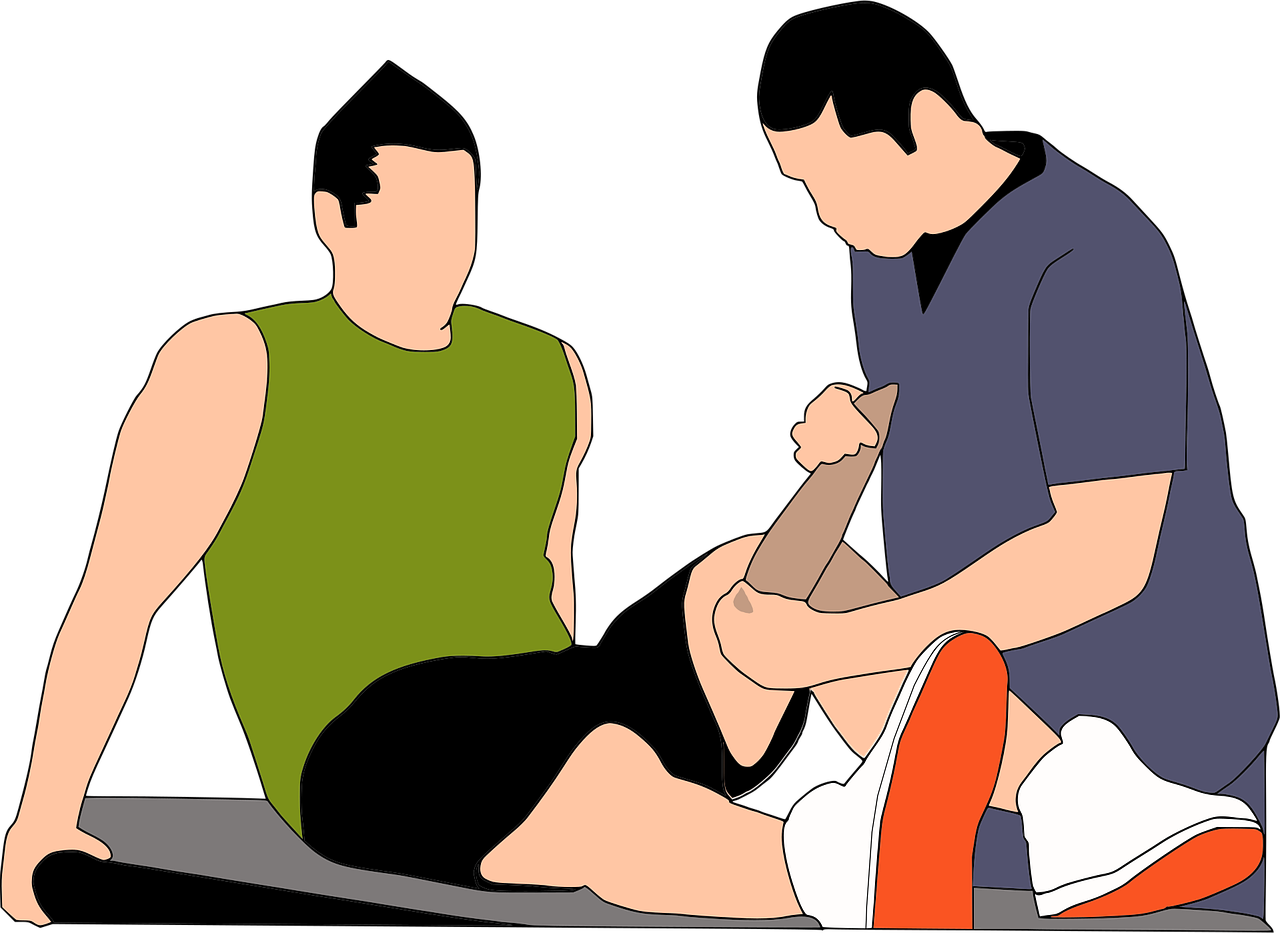

Massage Therapy Benefits for Preventing Chronic Sports Injuries
Massage therapy plays a significant role in preventing chronic sports injuries by enhancing flexibility. Proper flexibility is vital for any athlete, as it helps improve overall performance. Notably, massage therapy improves blood circulation, which is essential for muscle recovery. Increased blood flow nourishes the muscles and helps remove metabolic waste, aiding in quicker healing times. Furthermore, therapeutic massage techniques can target specific muscles that are frequently overused in sports training. This focus helps in alleviating unnecessary tension. As a result, athletes can maintain optimum muscle length and elasticity, reducing the risk of injury. To further illustrate, studies have shown a link between regular massage and lower levels of injury in athletes. Regular sessions can lead to a better prepared and conditioned athlete. Moreover, understanding the biomechanics involved in specific sports additionally enhances the effectiveness of massage therapy. The therapist’s training allows for customized treatments based on individual needs. This personalized approach ensures that athletes not only reap immediate benefit but also gain long-term advantages, thus minimizing the likelihood of developing chronic conditions as a result of repetitive strain or improper mechanics.
In addition to enhancing flexibility, another benefit of massage therapy is its effectiveness in reducing muscle soreness. It is common for athletes, especially after intense training sessions, to experience delayed onset muscle soreness (DOMS). Massage therapy helps alleviate this discomfort by promoting faster recovery and reducing inflammation. Athletes who receive regular massage often notice a decrease in muscle tightness and soreness. This recovery process allows them to train harder and longer. Furthermore, massage therapy can enhance the range of motion through muscle relaxation and lengthening. Increased range of motion is crucial for athletes, allowing them to perform movements optimally with less risk of injury. It is also important for muscle memory, as relaxation helps the body adapt better to training regimens. Besides, the emotional aspect should not be ignored; massage therapy contributes positively to mental health. Athletes often struggle with stress and anxiety related to performance. The calming nature of massage promotes relaxation. This mental relief can improve performance and decision-making during competitions, therefore minimizing risks associated with injuries. Overall, massage therapy’s multifaceted benefits strengthen its necessity in any athlete’s injury prevention strategy.
Enhancing Recovery and Preventing Injury
Massage therapy can dramatically enhance recovery through various methods, primarily by using techniques such as deep tissue massage, which focuses on the deeper layers of muscle and connective tissue. By manipulating these layers, therapists can help break down scar tissue and adhesions that form after injuries, often leading to pain and restricted movement. This manipulation not only resets muscle fibers but improves circulation, delivering oxygen and nutrients to tired or overused muscles. Such therapy often leads to an acceleration in recovery times. Regular massage therapy sessions promote endurance and performance levels, thus equipping athletes with the necessary resilience to withstand rigorous activities. Another vital aspect of recovery is the emotional component present in sports. Massage therapy serves as a counterbalance to the competitive nature of athletics. By promoting relaxation and stress relief, therapists help athletes prepare mentally, minimizing the psychological barriers that can lead to injuries. It cultivates a better relationship between the body and its movements, ultimately preventing injuries. This holistic approach ensures that both the physical and mental components of the athlete are addressed, which is paramount in a sports-focused environment.
Moreover, incorporating massage therapy with other preventative measures can amplify its benefits. The combination of strength training, flexibility exercises, and regular massage can create a comprehensive injury prevention strategy. Athletes who engage in a multidisciplinary approach frequently report improved performance and reduced injury rates. For instance, integrating strength-building routines that focus on stabilizing muscles around joints can assist in preventing injuries while also making post-massage recovery more effective. Additionally, nutrition and hydration play an equally important role. Athletes should ensure they consume adequate nutrients that are essential for muscle recovery and hydration levels, as these elements work hand in hand with massage therapy. Proper hydration ensures that muscles remain pliable and less susceptible to strains or tears. To further enhance recovery, athletes should monitor their training loads closely. This practice helps in identifying when to incorporate massages into their schedules effectively. Ultimately, coordination between all these aspects, including massage therapy, is crucial for optimal athletic performance without the pitfalls of chronic injuries.
Reducing Stress and Mental Barriers
Stress can have detrimental effects on athletic performance, often leading to injuries due to reduced focus and tension. Massage therapy aids in mitigating stress levels significantly. The calming effects of a good massage can lower cortisol levels, which is the body’s primary stress hormone. Reduced cortisol levels result in enhanced feelings of relaxation. As a consequence, this promotes better mental clarity. When athletes feel less stressed, they can perform movements with more precision and intention. Consequently, this precision minimizes the risk of injuries stemming from carelessness or overexertion. Interestingly, many athletes report feeling more confident and grounded after massage therapy sessions. This enhanced confidence translates into better performance. Furthermore, increased body awareness due to massage can allow athletes to notice imbalances that may develop over time. Identifying these issues early provides a platform for corrective action before injuries can develop. Establishing a routine of massage and supportive techniques encourages athletes to maintain ongoing check-ins with their body, ultimately fostering a deeper connection to their physical state. This connection is invaluable in training and competition.
Furthermore, biomechanical understanding greatly influences the effectiveness of massage therapy in injury prevention. Therapeutic massage focuses on aligning and balancing the body’s structures to turn it into a more efficient machine. Muscles work more effectively when they are properly aligned, creating synergy required for optimized performance. Poor biomechanics often lead to injury; hence, enhancing an athlete’s biomechanics through massage therapy can significantly reduce chronic strains. Physical therapists and massage specialists often collaborate to create tailored programs that incorporate specific movements to challenge muscle groups effectively. Through this collaborative framework, athletes can further prevent repetitive strain injuries. Additionally, consistent feedback during massages can highlight specific muscle tightness or discomfort that the athlete may overlook during training. This proactive approach helps create a dialogue about the athlete’s physical state, leading to effective treatment methods and continual improvement. With a deeper understanding of how their bodies move, athletes can replicate the same awareness during practice and competitions, drastically reducing injury risk over time. In conclusion, a tailored massage therapy approach can be transformative in promoting longevity in sports participation.
Conclusion: The Vital Role of Massage Therapy
In summary, massage therapy emerges as a vital asset in the world of sports, proficiently catering to the prevention of chronic injuries. The integration of therapeutic techniques provides athletes with numerous benefits, enhancing both physical and mental attributes crucial for optimum performance. By aiding in flexibility, recovery, stress relief, and biomechanical correction, massage therapy positions itself as an essential component of any training regimen. It encourages not just physical healing but also fosters a positive mindset, ultimately creating a holistic environment for athletes. The journey involves a commitment to regular sessions, allowing athletes to become more receptive to their body’s signals and to respond proactively. Such an approach emphasizes the critical link between the mind and body and its influence on enduring athletic performance. Thus, it is pertinent for athletes to consider massage therapy not merely as a luxury but as an essential practice in their ongoing journey towards excellence. Investing time in proper maintenance and care, including massage therapy, cultivates a sustainable path that ultimately supports a long and injury-free athletic career.
Utilizing massage therapy can lead to significant improvements in the longevity and efficacy of an athlete’s training. The cumulative effects of integrating massage therapy into regular training schedules cannot be overstated. Developing an understanding of its roles in flexibility, muscle recovery, mental clarity, and rehabilitation forms a comprehensive view of what effective sports care encompasses. Those who have made massage a routine find that their training becomes more productive, and their injury rates dramatically decline. Investing in regular massage therapy sessions is a proactive approach that pays off with enhanced performance, reduced recovery time, and ultimately, happier athletes. The importance of consulting with qualified professionals regarding the best types of massage therapy tailored to sporting needs can ensure maximum benefits. Athletes may note variations and changes that indicate the types of massage that are more effective for them personally. This level of attention to the body lays the groundwork for future success. As practitioners continue to evolve their techniques, athletes should remain straight on integrating these advances into their routine consistently. Indeed, the role of massage therapy in injury prevention should remain a priority in any athletic journey.