
How to Use Foam Rollers and Other Recovery Tools Effectively
Foam rollers have become widely popular in recent years due to their effectiveness in myofascial release and muscle recovery. These tools help alleviate soreness by increasing blood flow to muscles that may feel tight after rigorous workouts. To use a foam roller effectively, begin by placing it under your target muscle group and gently rolling over the area while shifting your body weight. Aim for approximately one minute on each major muscle group, focusing on tender spots. This method promotes relaxation of tense muscles and reduces the risk of injury. In addition to foam rollers, consider incorporating therapy balls and massage sticks into your recovery regimen. These tools allow more targeted pressure delivery to specific muscle groups, enhancing overall recovery results. Always ensure you maintain good posture when using these tools, as improper technique can lead to strain. Gradually increase the intensity of your rolling sessions as your body adapts to the pressure. Remember that consistency is key; aim to use foam rollers and recovery tools at least twice a week for optimal benefits.
The Benefits of Recovery Tools
Effective recovery tools, such as foam rollers, provide numerous benefits that enhance athletic performance. These include improved flexibility, reduced muscle tension, and enhanced circulation. Foam rollers help to increase blood flow to muscles, promoting faster recovery from exercise-related soreness. Additionally, they enable better mobility, which is crucial for athletes in all sports. Improved range of motion leads to better movement quality and can reduce the risk of injuries. Moreover, enabling the body’s own recovery process through tools like these enhances overall performance by allowing you to train more effectively and efficiently. Regular incorporation of foam rolling and similar tools contributes to muscle lengthening and realignment, making it easier to complete workouts without discomfort. This also means spending less time dealing with muscle strain, and more time focusing on skill development and strength training. Furthermore, utilizing these recovery tools is vital during periods of intensive training or after long competitions. This allows your body the necessary time to heal while ensuring you stay on track with your fitness goals.
When it comes to incorporating foam rolling into your exercise routine, timing is essential. Many athletes find it beneficial to use foam rollers both pre- and post-workout. Using a foam roller before a workout can serve as a warm-up tool by activating muscles and increasing blood flow, while post-workout rolling helps with recovery. Remember, the key is to listen to your body; adjust pressure according to muscle tightness or sensitivity. If certain areas feel particularly sore, hold pressure on those spots for 20-30 seconds to further alleviate tension. Combining foam rolling with stretching routines can significantly improve muscle elasticity and reduce tightness in the long run. For optimal results, partner your foam rolling regimen with hydration and proper nutrition to support muscle recovery. Staying adequately hydrated post-exercise can enhance the effects of foam rolling, so keep a water bottle handy. Also, consider pairing foam rolling with appropriate nutritional recovery options like protein shakes or electrolyte-rich beverages to replenish lost nutrients and aid muscle repair.
Foam rolling alone offers numerous benefits, but combining it with other recovery tools enhances your routine even further. Tools like resistance bands, percussion massagers, and massage balls can significantly increase recovery effectiveness and muscle relief. Resistance bands, for example, provide a way to stretch difficult areas while working on strength simultaneously. Additionally, percussion massage devices offer targeted relief and can penetrate deeper muscle layers for optimal recovery. When using these tools, it’s important to integrate them into your existing routine in a thoughtful manner. For instance, you might use a foam roller after a workout and follow it up with a percussion massage for added benefit. Rotating different tools can also prevent monotony in your recovery regimen, keeping you engaged and motivated. Expand your knowledge of these tools by researching proper techniques through various fitness resources or instructional videos online. Many coaches and athletes share their favorite routines online, offering valuable insights and tips for maximizing your recovery methods. This approach can lead to improved outcomes in both recovery and overall athletic performance.
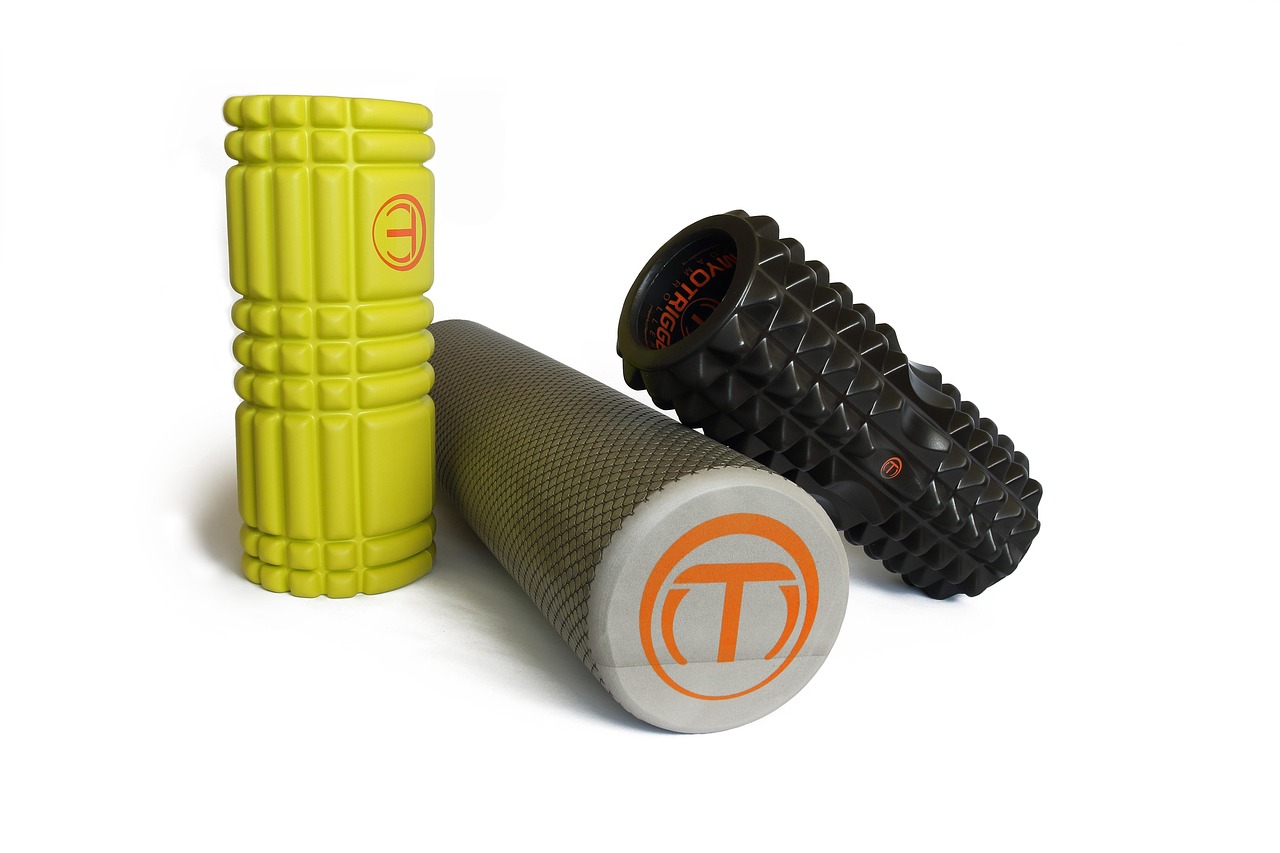
As you consider the integration of foam rollers and other recovery tools into your fitness routine, personal preference plays a crucial role. Everyone responds differently to various tools and techniques, making it essential for you to determine what suits your body best. Feel free to experiment with different types of foam rollers, as they come in various densities and textures that can significantly affect your experience. For instance, a smooth foam roller provides a gentler touch, while a textured roller can deliver more intense pressure for deeper tissue release. Observe how each type impacts your recovery and adjust accordingly. Additionally, don’t hesitate to try out new tools, such as massage sticks or therapy balls, to pinpoint their effectiveness for target muscle groups. It’s also beneficial to keep an evolving fitness diary to track your experiences with each recovery tool. Not only can this improve your understanding of preferences, but it can also assist you in developing a routine that enhances recovery significantly. Remember that recovery is an essential component of any fitness program, not just an afterthought.
Another factor to consider when using foam rollers and other recovery tools is the importance of proper techniques and form. It’s a common misconception that you need to apply excessive pressure to achieve results. Instead, focus on controlled movements and gentle pressure, especially when first starting. Improper technique can lead to discomfort, strain, or injuries, counteracting any intended benefits. Additionally, take time to breathe deeply while rolling, as this promotes relaxation and effectiveness. When working on specific areas, maintain steady movements and aim for a balanced approach. Treat your muscles gently and avoid rolling over joints, bones, or areas of inflammation. Another aspect of technique involves knowing when to stop – if you experience sharp pain or excessive discomfort, it’s a clear signal to ease pressure or discontinue. Just as you work on strength, flexibility, and endurance, refining your technique with foam rollers and recovery tools will enhance your knowledge and experience. Over time, this will lead to more significant advantages during workouts and contribute to long-lasting performance gains.
To sum up, incorporating foam rollers and other recovery tools into your fitness routine can provide outstanding benefits for muscle recovery and overall athletic performance. By understanding the various tools available, the techniques necessary for effective use, and the importance of consistent application, you lay the groundwork for improved fitness results. Remember to balance the use of foam rollers with sufficient hydration, nutrition, and rest to optimize recovery outcomes. Encourage consistent practice by setting aside time for your recovery tools; make it as much of a priority as your workouts. By doing so, you not only promote physical health but also contribute to your mental well-being. Ultimately, finding enjoyment in recovery rituals will enhance adherence and provide a sustainable approach to fitness. Do not forget that regular recovery plays a vital role in achieving your long-term fitness goals. Whether you are a beginner or an experienced athlete, effective use of these tools will foster greater strength, mobility, and resilience. Explore the full spectrum of options available to you, and let the journey to efficient recovery begin!
For practical application integrate foam rollers into your regimen and dedicate time each week to enhance recovery. Utilize other tools to create a comprehensive recovery plan that fosters well-being and progression. Consider joining classes or workshops to learn more about the effective use of recovery tools.