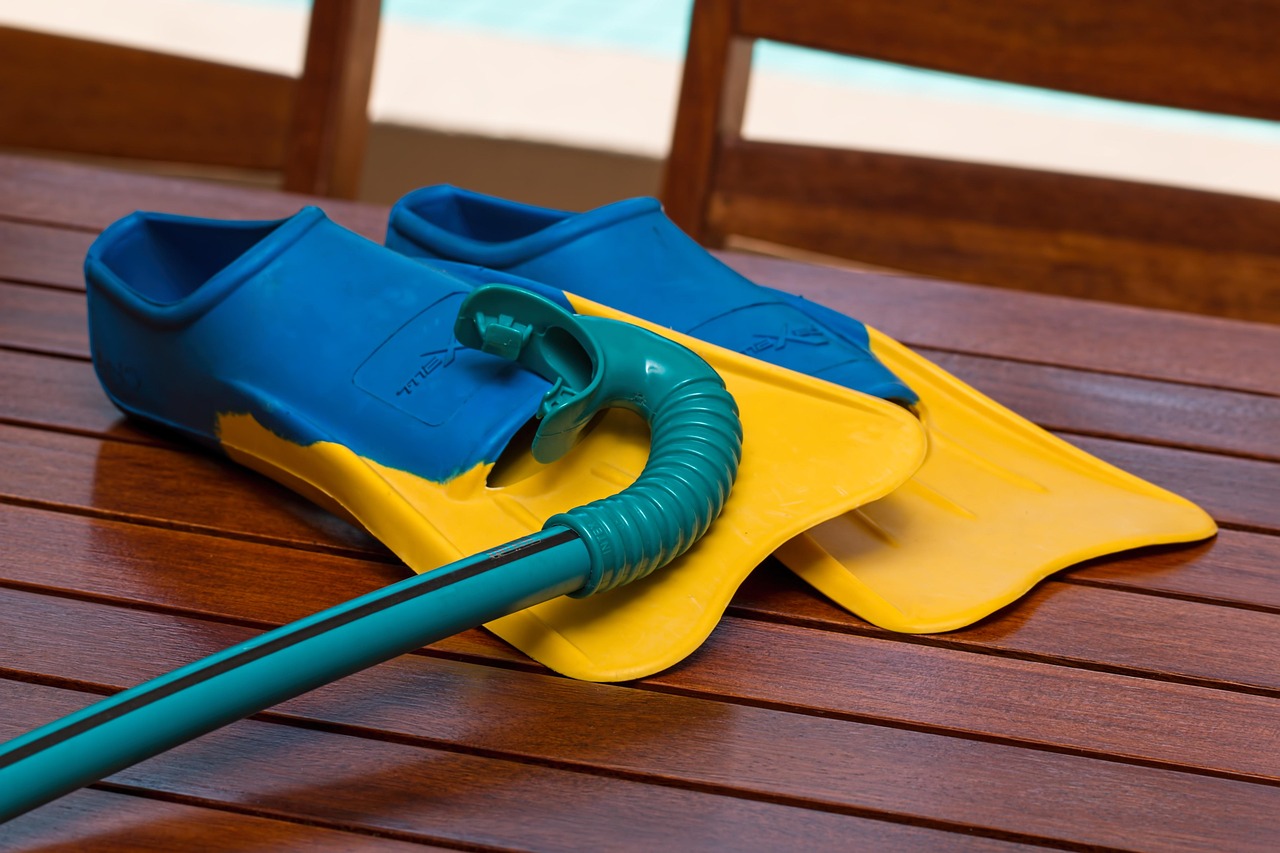

Incorporating Technology in Teaching Swimming Techniques
Technology has transformed numerous fields, including sports and recreation. Incorporating technology into teaching swimming techniques enhances learning through various innovative tools. These advancements allow instructors to offer more personalized experiences to each swimmer. Moreover, technology increases the engagement of students and provides learners with immediate feedback. For instance, using video analysis tools, instructors can record students’ strokes, allowing a clear visual representation of their technique. This capability helps students identify areas for improvement, significantly advancing their learning process. Furthermore, mobile applications designed for swimming provide valuable resources such as training tips, video demonstrations, and progress tracking features, keeping learners motivated. Integrating wearable technology, such as swimming watches, enables swimmers to monitor their heart rates and lap times, giving them insights into their performance. The combination of these tools creates a comprehensive approach to mastering swimming skills. In addition, setting up virtual reality environments offers a unique learning experience, allowing swimmers to visualize techniques in real-time. As technology continues to evolve, its potential for enhancing swimming lessons only increases, paving the way for future generations of swimmers.
Another exciting development in swimming education involves the use of apps that help track progress. By incorporating tracking software, instructors can monitor individual improvement over time. This feature encourages swimmers to meet their goals and enhances motivation. Furthermore, data analysis provides significant insights into performance trends, enabling instructors to customize training programs further. For example, assessing swimmers’ daily practices might reveal a consistent problem, like inefficient breathing techniques. Once identified, dedicated sessions can address this issue. Implementing gamification strategies through technology fosters a sense of competition among students. Swimming games that simulate competitive environments can significantly improve performance. Adding an element of fun encourages students to participate actively, lessening their anxiety about technique mastery. Online platforms also help enhance communication between swimmers and instructors, facilitating feedback sessions and discussions on progress. Creating forums where students share experiences, challenges, and successes builds a supportive community. Moreover, making learning accessible through online lessons allows students to practice whenever convenient. This flexibility suits busy schedules and promotes continuous improvement. In today’s fast-paced world, adapting to technology in swimming education is crucial to engaging and motivating learners.
Virtual Reality and Swimming Lessons
Virtual reality (VR) expands the possibilities of teaching swimming techniques in exciting and immersive ways. Through VR simulations, instructors can create realistic aquatic environments, allowing students to practice skills without physical constraints. This method enhances understanding, enabling learners to visualize techniques while experiencing a simulated environment. Practicing in virtual environments encourages learners to explore various strokes and techniques at their own pace, giving them confidence. Students can repeatedly practice specific techniques, reducing anxiety when entering a real swimming pool. Furthermore, the ability to pause and analyze each movement helps refine skills. VR technology can also offer a safe space for beginners learning to float or breathe effectively. Instructors can customize lessons according to individual needs, maximizing learning potential. Utilizing VR systems can be incredibly beneficial during the early stages of rehabilitation for athletes recovering from injuries. It provides a secure and controlled environment to regain water confidence while focusing on regaining lost skills. Therefore, integrating virtual reality into swimming lessons opens new horizons for innovative training techniques that enhance learning outcomes for swimmers.
In addition to virtual reality, employing drone technology during lessons proves advantageous for both instructors and swimmers. Using drones enables instructors to capture aerial footage of swimming techniques, which can be analyzed further for making necessary adjustments. This unique perspective showcases the broader aspects of stroke efficiency and body alignment. Such insights equip swimmers to comprehend mechanics better and enhance performance capabilities. By sharing this footage with students, instructors can demonstrate discrepancies between ideal techniques and actual practices, compelling swimmers to make thoughtful adjustments. Furthermore, drones can be used to document swimming events, allowing swimmers to evaluate themselves against recorded performances. The ability to objectively see one’s performance in comparison to peers inspires continuous improvement. Drones facilitate a novel teaching approach, as visual learning becomes a core focus of lessons. Also, implementing sensor technology in swimming gear can track specific metrics that further augment performance analysis. Combining these technologies creates a holistic educational approach offering tailored feedback, aligning with individual swimmer needs. This comprehensive method encourages learners to embrace technology, leading to greater immersion in their swimming education journey.
Wearable Devices in Swimming Training
Wearable devices present an innovative way to monitor swimmers’ performance effectively. These gadgets track vital metrics such as distance swum, stroke count, and even heart rate, providing immediate feedback for both students and instructors. With detailed insights at their fingertips, swimmers can adjust their technique accordingly, enabling continuous improvement over time. Wearing such devices during practice sessions encourages students to focus on their individual goals, fostering a self-driven approach to learning. Moreover, many wearables are equipped with analysis software. This software allows for real-time adjustments based on the data collected during a swim session, paving the way for targeted skill improvement. For example, a swimmer can quickly determine pacing errors and adjust their strokes based on comprehensive insights. Additionally, integrating these devices with mobile applications enhances the learning experience. Students can log their training sessions and receive personalized reports regarding their progress. Setting achievable mini-goals becomes smoother with technology, as learners can visualize their improvements or setbacks. Encouraging students to embrace these wearables cements a mindset focused on growth and development in their swimming journey.
Furthermore, leveraging social media platforms to share progress and achievements engages students in a broader community. Creating dedicated groups around swimming fosters connections between individuals with similar goals. Sharing successes and challenges motivates learners, promoting accountability. Additionally, instructors can join these groups, offering guidance and support. This fosters a collaborative spirit that enhances the learning environment. Also, showcasing progress through videos or images builds confidence among learners. Streaming live sessions allows swimmers to engage in training alongside peers or professionals, making learning a shared endeavor. Expanding the swimming education landscape through technology draws new generations into the sport. Diversifying the methods of instruction enriches the swimming community, creating diverse spaces for engagement. Students are encouraged to seek out their own resources, making the process more personalized. Integrating technology broadens access to swimming knowledge and techniques, ensuring that learners remain committed regardless of location. This accessibility is essential for attracting individuals from various backgrounds to the sport. As swimming education evolves, embracing technology will pave the way for its exciting future.
Conclusion and Future of Swimming Education
In conclusion, technology plays a pivotal role in teaching swimming techniques, opening new avenues for learning and exploration. The integration of tools such as video analysis, wearable devices, drones, and virtual reality ultimately enriches the swimmer’s learning experience. Students benefit from comprehensive feedback, personalized training approaches, and the ability to connect with others in a wider community. It is crucial for swimming instructors to continue adapting to technological advancements while embracing new teaching methods for maximum engagement. As more advancements are made, particularly in the realm of artificial intelligence and machine learning, we can expect even more personalized experiences for learners. Predictive analytics may soon determine the most effective training programs tailored to each student’s strengths and weaknesses. Moreover, as technology continues to impact every aspect of our daily lives, it will undoubtedly shape the future of swimming education as well. With technology leading the charge, the potential for improved techniques and outcomes is limitless. In navigating this exciting future, both instructors and swimmers alike are encouraged to embrace these changes, reaping the rewards of enhanced learning possibilities and skills development.
The amalgamation of technology and swimming instruction not only enhances understanding but also creates lifelong learners. Through continuous adaptation and utilization of various teaching methods, swimmers can achieve remarkable progress. As the education landscape evolves with technology, opportunities for creative, immersive experiences will expand. Seeking innovation while maintaining the essence of swimming will resonate with future athletes while enriching the lives of many. Thus, integrating technology into the learning journey will pave the way for countless swimmers to embark on their aquatic adventures successfully.