
Obstacle Course Racing for Kids: Building Confidence and Fitness
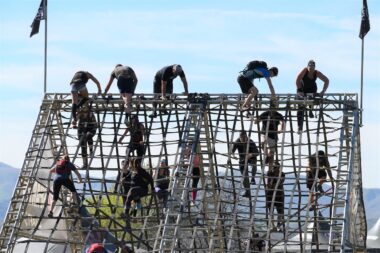
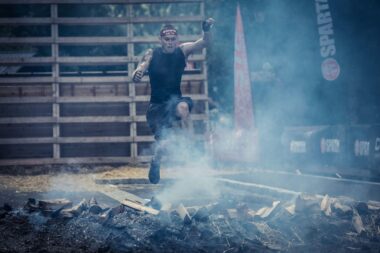
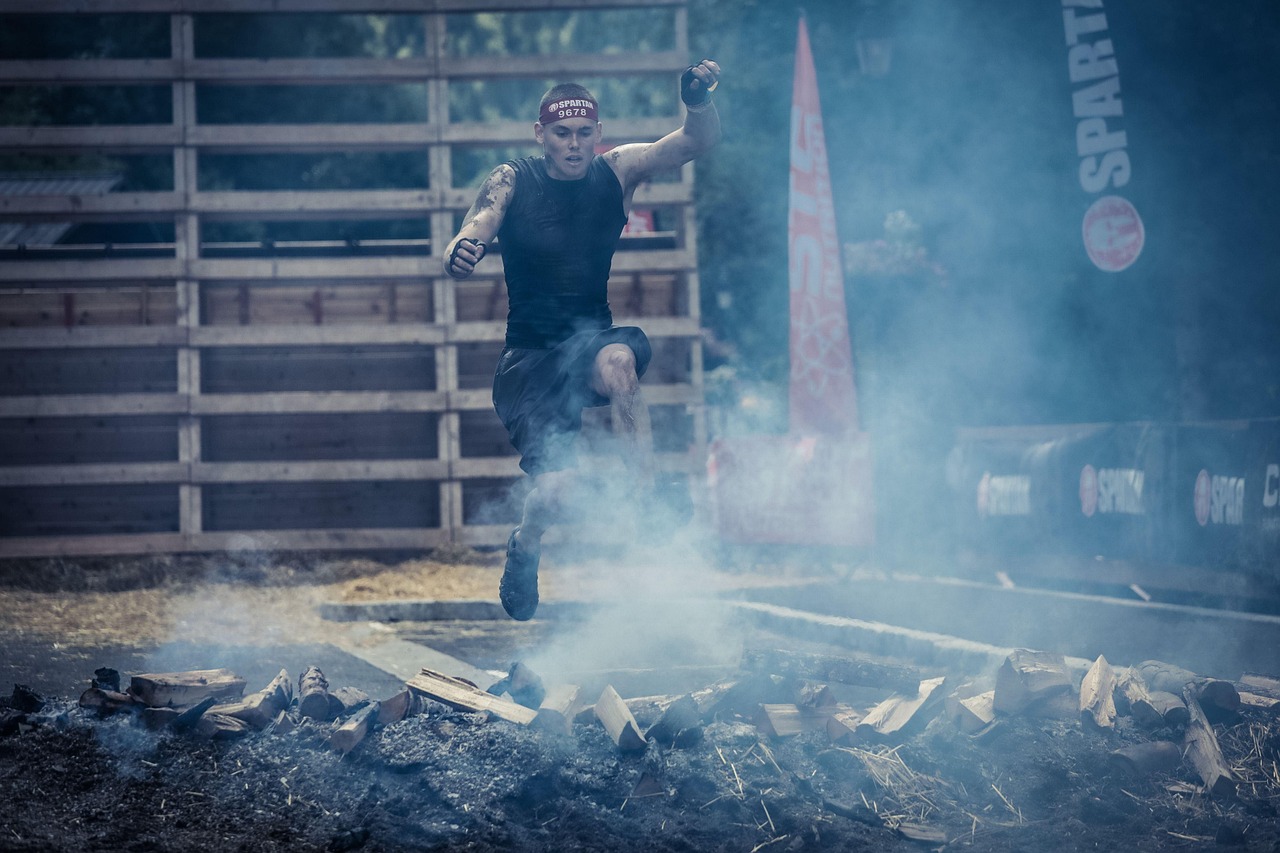
Obstacle course racing (OCR) is a thrilling and exciting physical activity that is becoming increasingly popular among kids. It combines various elements of fitness, fun, and teamwork, making it an excellent option for children who want to explore their physical capabilities. As kids navigate through a series of challenges, including climbing, crawling, jumping, and balancing, they develop essential motor skills and coordination. In this engaging and often fun environment, children not only exercise at a physical level but also begin to foster a sense of accomplishment as they conquer each obstacle. This sport is about more than just racing; it teaches kids perseverance, strategy, and effective problem-solving skills in a supportive community. Parents often report enhanced self-esteem and an increased willingness to try new activities and face challenges head-on. Moreover, participating in OCR helps kids build friendships as they work together, pushing each other to succeed. Overall, OCR is a unique avenue for children to break away from sedentary activities and embrace the outdoor adventure that enhances their well-being.
One of the most significant benefits of obstacle course racing for kids is the improvement in physical fitness it promotes. As they engage in race training, children develop strength, endurance, agility, and flexibility. These attributes are vital not only for excelling in athletics but also for overall health and well-being. For instance, the push-pull element of climbing walls and the swinging motions from ropes can effectively build upper body strength. Furthermore, running through a course elevates their heart rate, contributing to cardiovascular fitness. Parents and instructors alike note that OCR participants tend to enjoy being active more than those who participate in traditional sports alone. This engagement encourages lifelong healthy habits, setting the stage for health-oriented lifestyles as they age. In addition to physical prowess, OCR teaches kids how to care for their bodies through nutrition and hydration. Knowing how to fuel their bodies properly helps them perform better. The spectators cheering on teammates also provide a supportive atmosphere, creating a sense of camaraderie that is crucial in fostering a love for physical activity.
The Impact on Confidence and Resilience
Beyond physical benefits, obstacle course racing also has profound effects on children’s self-confidence and resilience. Facing obstacles successfully enhances a child’s belief in their abilities. Each hurdle they conquer reinforces the idea that they are capable of overcoming challenges, cultivating a proactive mindset towards life. This newfound confidence can spill over into other areas of their lives, motivating them to tackle academic challenges or social scenarios they previously avoided. Additionally, OCR encourages kids to break out of their comfort zones and face their fears. It’s common for children to initially hesitate at certain obstacles, but with practice and encouragement, they often surprise themselves by succeeding where they once felt intimidated. This process of trial, error, and ultimate success is instrumental in building resilience. It teaches kids that failure is not the end but rather an opportunity to learn and grow. Moreover, the support received from teammates fosters a shared experience of overcoming fear, solidifying friendships, and boosting collective morale. Hence, OCR can significantly influence children positively and provide lifelong lessons in confidence.
Participation in obstacle course racing also fosters vital social skills through teamwork and cooperation. Children often compete in teams, which encourages them to work collaboratively towards a common goal. This context necessitates communication, strategizing, and supporting each other, thus enhancing their social interactions and friendship bonds. Learning to navigate the challenges together helps develop strong interpersonal skills, including empathy and encouragement. In OCR, every team member has strengths, making it essential for kids to recognize each other’s abilities and roles. They learn how to value diverse skill sets and understand that everyone’s contribution is necessary for the group’s success. This realization is crucial for their social development and prepares them for future group activities. As they cheer each other on and share in the excitement of overcoming obstacles, children learn how to celebrate victories together. Building these relationships and learning the importance of team dynamics create a supportive network that often extends beyond the race itself. It ensures that kids can carry these essential skills into school, play, and other competitive environments later in life.
Creating Safe and Inclusive Spaces for Kids
As the popularity of OCR for kids increases, creating safe and inclusive environments becomes paramount. Parents and race organizers must ensure that all courses are designed to be age-appropriate and accessible to various skill levels. Safety measures should include proper equipment, cushioned landings, and clear guidelines to minimize injury risk. Additionally, programs should promote inclusivity by encouraging participation from children of all backgrounds and abilities. Programs that offer adaptive OCR formats help all kids engage, making sure every child can experience the excitement of this sport. Inclusion programs create an atmosphere where children learn from each other while celebrating their unique abilities. This environment fosters acceptance and appreciation for diversity, teaching important life lessons about respect and teamwork. As communities invest in OCR for younger populations, providing accessible training sessions, workshops, and fun events can nurture a wider audience. This ensures kids are not just competing but are also adhering to principles of good sportsmanship. With every child feeling welcome and supported, we build a brighter, healthier future for the next generation.
Over the years, many organizations have recognized the significant benefits of OCR, leading to various initiatives promoting children’s participation in the sport. Schools and community centers are increasingly integrating OCR into their physical education programs, instilling a passion for fitness and experimentation in their students. These programs not only focus on physical preparation but also emphasize the psychological aspects of training. Through varied experiences, children learn vital lessons about goal setting, discipline, and time management. The crossover between physical activity and mental resilience is increasingly acknowledged. Moreover, industry professionals often visit schools to conduct workshops that introduce kids to obstacle racing while instructing them about teamwork and safety practices. As these practices become more mainstream, they align with broader public health goals of reducing childhood obesity and promoting a culture of active living. Parents can also get involved by volunteering in local OCR events, further strengthening the bond within the community. Schools that schedule field trips to OCR events provide kids with inspiring opportunities to see professionals in action, motivating them to participate in local races.
The Future of Obstacle Course Racing for Kids
In conclusion, the future of obstacle course racing holds enormous potential for kids. As more children express interest in this exhilarating sport, it is vital to continue developing safe, fun, and encouraging environments where they can thrive. Encouraging parental and community involvement will be crucial to ensure a supportive infrastructure is established. Coaches and trainers should focus on developing specialized programs that cater to young participants’ unique needs, facilitating skill development while nurturing their interests. As OCR grows in schools, local events, and even national competitions, kids will seek competitive growth opportunities, enhancing their passion for fitness. Maintaining engagement in OCR keeps kids active, healthy, and socially connected. Furthermore, as media coverage and sponsorship grow within the sport, children will receive increased visibility and inspiration. Ultimately, this adventure is not just competing; it’s about building friendships, cultivating health, and fostering positive personal growth. The momentum surrounding OCR for kids signifies an exciting time where fitness and fun collide, ensuring this thrilling sport leaves lasting positive impressions on young lives.
In conclusion, the future of obstacle course racing holds enormous potential for kids. As more children express interest in this exhilarating sport, it is vital to continue developing safe, fun, and encouraging environments where they can thrive. Encouraging parental and community involvement will be crucial to ensure a supportive infrastructure is established. Coaches and trainers should focus on developing specialized programs that cater to young participants’ unique needs, facilitating skill development while nurturing their interests. As OCR grows in schools, local events, and even national competitions, kids will seek competitive growth opportunities, enhancing their passion for fitness. Maintaining engagement in OCR keeps kids active, healthy, and socially connected. Furthermore, as media coverage and sponsorship grow within the sport, children will receive increased visibility and inspiration. Ultimately, this adventure is not just competing; it’s about building friendships, cultivating health, and fostering positive personal growth. The momentum surrounding OCR for kids signifies an exciting time where fitness and fun collide, ensuring this thrilling sport leaves lasting positive impressions on young lives.