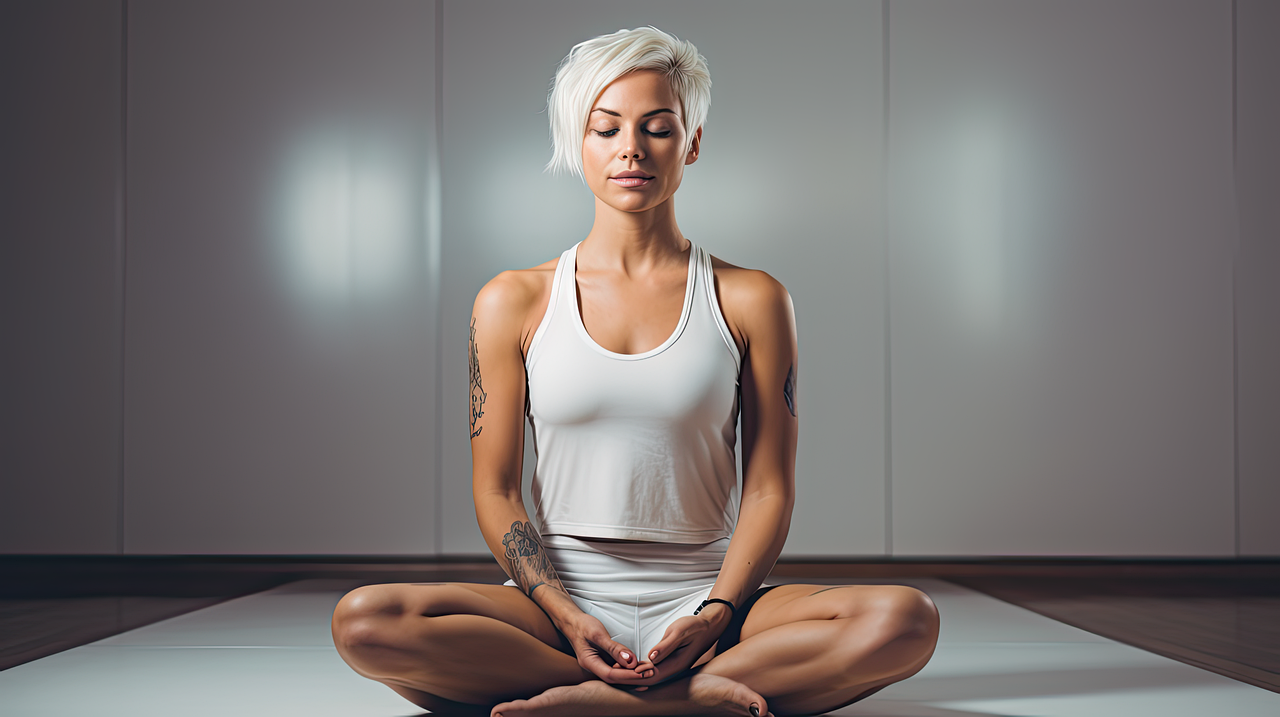

Progressive Muscle Relaxation to Combat Stress and Anxiety
The mind-body connection plays a significant role in managing and overcoming anxiety through effective techniques. One particularly beneficial method is Progressive Muscle Relaxation (PMR). This technique involves systematically tensing and then relaxing different muscle groups throughout the body. It is an effective practice that helps to reduce overall tension, which can significantly alleviate feelings of anxiety. When individuals learn to recognize when they are tense and learn relaxing techniques, they can respond better to stressors. Practicing PMR can enhance one’s self-awareness, helping to identify physical manifestations of anxiety. As you become more familiar with this approach, it becomes easier to incorporate it into your daily routine. Regular practice of PMR not only strengthens the mental response to anxiety but also promotes overall well-being. As individuals feel more relaxed and at ease, their confidence in managing anxiety increases. This technique is particularly useful in stressful situations, allowing individuals to reclaim a sense of control, leading to a more peaceful state of mind. Lastly, creating a routine centered around PMR can greatly enhance the effectiveness of this approach.
Incorporating PMR into your daily routine can enhance emotional regulation. When a person feels anxious, stress levels can be overwhelming. By practicing PMR, you actively combat those stress levels and cultivate a serene mindset. This method doesn’t just relax muscles; it also helps calm the mind. The key to success with PMR is consistency. Regular practice allows individuals to become adept at recognizing tension and learning how to release it effectively. Focus is essential during this process; thus, finding a quiet space is recommended. Initially, individuals might be challenged by thoughts of daily life intruding during practice. However, with time, it becomes easier to clear the mind and concentrate solely on the exercise. Besides reducing anxiety symptoms, PMR can lead to better sleep patterns. This is particularly beneficial, as poor sleep can exacerbate anxiety. As sleep improves, so does mood. Therefore, by committing to practice, individuals can enjoy the cumulative benefits of PMR; not only will they feel relaxed afterward, but they’ll also develop a long-term strategy for coping with anxiety.
Steps to Practice Progressive Muscle Relaxation
To begin with PMR, choose a comfortable and quiet environment free from distractions. Once settled, take a few deep breaths to initiate relaxation; this prepares the body and mind for what comes next. Starting with your feet, flex and contract the muscles for about five seconds, followed by slowly releasing the tension. This process should be gradual and deliberate. Next, shift your focus to your calves, tensing them similarly before releasing. Progress upwards through the body, including thighs, abdominal muscles, arms, shoulders, and neck. Each time, remember to concentrate on the feeling of relaxation as tension is let go. Maintain awareness of your breathing throughout the practice. It’s important to breathe deeply and evenly. All the way up to the head, this method cultivates total body awareness. After completing the sequence, take a moment to marinate in the sensations of tranquility. Integrating these steps into a daily routine can establish PMR as a beneficial habitual practice, visibly reducing anxiety levels and overall stress.
In addition to the physical techniques of PMR, mindfulness plays a crucial role in enhancing its effectiveness. Mindfulness is the practice of staying present and fully engaged with the current moment, which is vital in alleviating anxiety. Combining PMR with mindfulness results in a powerful duo; this integration allows individuals to truly acknowledge and process their thoughts and feelings. During PMR, practice focusing on each muscle group, observing the sensations of tension and relaxation. Acknowledge any worries or thoughts that arise without judgment, and then gently redirect your focus back to the body. This reinforces self-acceptance, promoting a more understanding relationship with one’s emotions. Mindfulness, when practiced consistently, fosters resilience against stressors, allowing individuals to navigate life’s challenges more adeptly. Moreover, incorporating mindfulness during PMR helps individuals differentiate between physical sensations stemming from anxiety and genuine bodily needs. This understanding can significantly empower individuals to navigate anxiety with fortified self-confidence, recognizing their ability to maintain calm amidst chaos.
Benefits of Progressive Muscle Relaxation
The benefits of PMR extend far beyond immediate relaxation. Regular practice improves one’s overall response to stress, resulting in lasting change in how the body and mind cope with anxiety. Enhanced emotional resilience is a notable outcome, equipping individuals with the tools to tackle anxiety-provoking situations effectively. Research has shown that individuals practicing PMR regularly report lower levels of tension and enhanced mood. This combination fosters a healthier outlook on stress and anxiety. Additionally, consistent practice of PMR can lead to physical benefits, such as lower blood pressure and reduced muscle tension. Individuals lounging in relaxation after practices often experience a profound sense of well-being, contributing to personal empowerment. Beyond physiological benefits, realizing the importance of mental space from anxiety fosters clarity and enhances focus. This newfound ability to concentrate can influence various areas of life, including productivity at work and interpersonal relationships. Ultimately, PMR serves as a powerful method for cultivating a balanced mind-body connection, enabling individuals to thrive even amidst challenging situations while fostering a tranquil sense of self.
In conclusion, Progressive Muscle Relaxation is an effective technique for overcoming anxiety and cultivating a deep sense of well-being. By actively engaging in this practice, individuals can nurture a healthier and more balanced connection between their mind and body. As the stressors of modern life become increasingly intense, incorporating PMR can be a valuable tool in managing emotional and physical responses. Thus, while it may require effort and patience to integrate PMR into one’s routine, the long-term effects are profoundly beneficial. Feeling empowered and in control becomes achievable as practice develops. Additionally, it transforms the perception of anxiety from something that is debilitating to a manageable aspect of life. Commit to this beneficial practice and discover its myriad advantages over time. Pair PMR with mindfulness for optimal results in overcoming anxiety. When combined with consistent practice, PMR can lead to sustained emotional regulation and improved mental resilience. Ultimately, investing time in learning and applying PMR can have profound impacts, encouraging you to navigate life’s hurdles with grace and confidence.
Implementing PMR in Daily Life
Incorporating PMR into daily life can be simpler than it seems. Begin by setting aside specific time slots during the week dedicated to practice, treating them as essential appointments. This commitment ensures that practice becomes habitual rather than occasional. Choose times when you may feel particularly anxious or tension-ridden or when you need to reset after a stressful day. Additionally, consider mixing PMR with other relaxation techniques, such as deep breathing or visualization. This combination can deepen the relaxation effects, making your practice more effective. Furthermore, it is beneficial to keep a journal documenting your experiences. Reflecting on your sessions can offer insights into your progress and emotional shifts over time. Sharing the experience with friends or family can also deepen your commitment to the practice; their support can enhance encouragement. As you become more adept, feel free to introduce variations that work for you, such as using guided PMR audio. Lastly, be patient with yourself as you embark on this journey; remember that progress takes time and persistence, but the benefits will be well worth the effort.
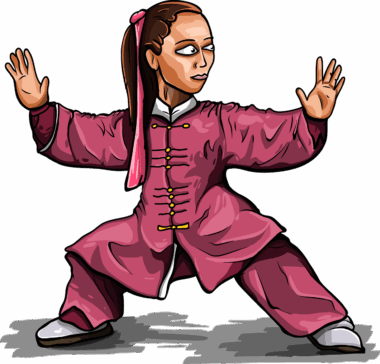
In summary, PMR provides a multitude of advantages for individuals seeking to combat anxiety effectively. By consciously tensing and relaxing muscle groups, you cultivate a profound awareness of how anxiety manifests physically. This knowledge helps facilitate a greater understanding of oneself, empowering individuals to manage their reactions to stressful stimuli. As you practice, remember to be gentle with your journey; improvement takes time, just like any new skill. Celebrating small victories in recognizing tension and releasing it can keep motivation high. Over time, the constant engagement with PMR not only fosters self-awareness but also serves as a foundation for further exploration of mind-body techniques. Other practices, such as yoga or Tai Chi, can synergistically enhance relaxation and awareness. PMR doesn’t have to be reserved for moments of high anxiety; integrating short sessions throughout the day can instill a sense of calm in daily life. In the end, empowering oneself through techniques like PMR leads to better mental health and an enriched sense of life. Embrace the journey of self-discovery, finding peace in moments often overshadowed by anxiety and stress.