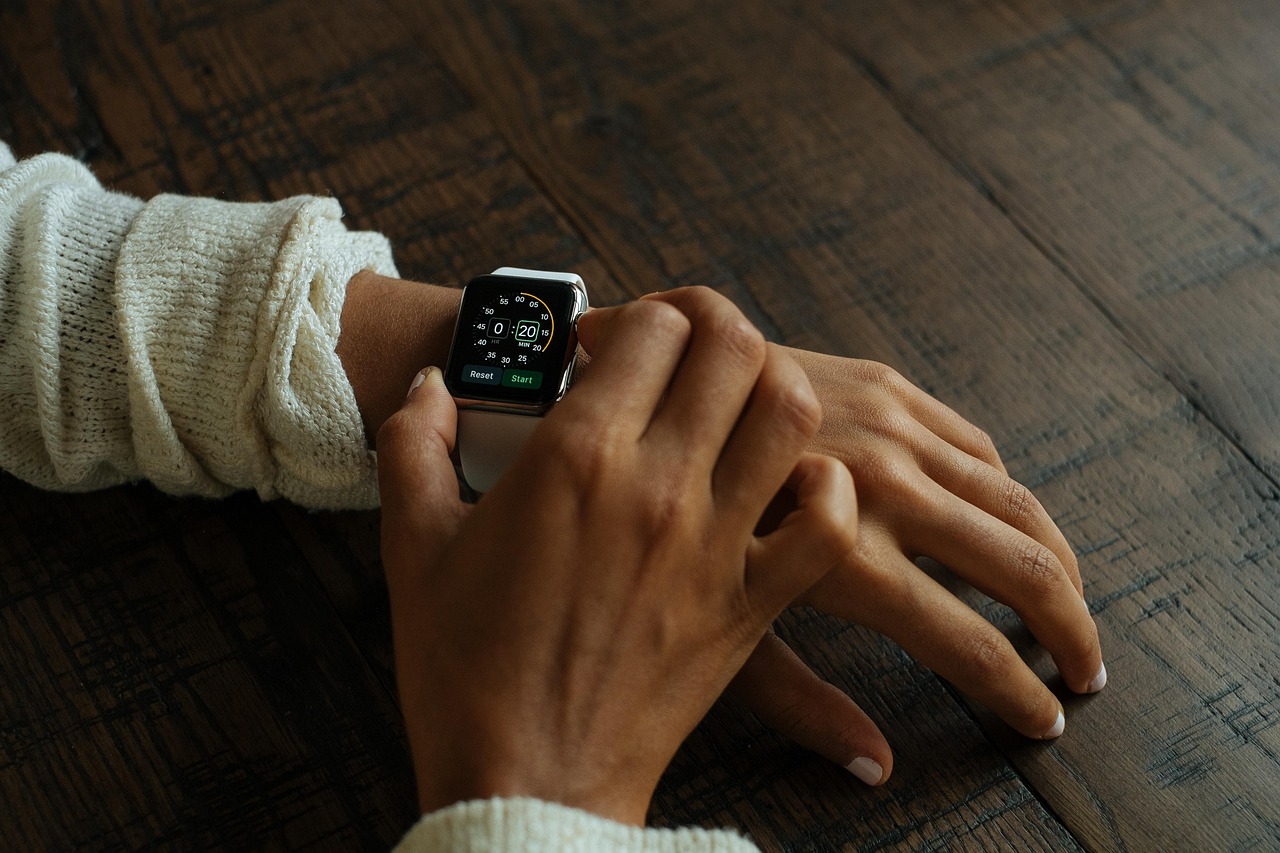

The Impact of Operating System Compatibility on Fitness Wearable Usability
In today’s tech-savvy world, fitness wearables have become increasingly important for health enthusiasts. They provide real-time feedback on various metrics such as heart rate, calories burned, and more. However, one crucial factor can significantly influence their usability: operating system compatibility. Many users rely on smartphones to sync data from these devices, and a mismatch between a wearable and the phone’s OS can lead to suboptimal experiences. Wearables must seamlessly integrate with different operating systems such as iOS and Android to ensure a smooth user experience. This interoperability is essential for unlocking the full potential of fitness trackers, as it allows users to access valuable insights gathered over time. Compatibility issues can result in inadequate data synchronization, which limits the value of data collection. As a result, potential buyers should research if their device of choice is compatible with their existing smartphone or tablet. Today, many companies strive to create products that cater to both platforms, but not all devices are created equal. Thus, it is imperative to carefully evaluate options prior to purchase to ensure continuity and ease of use.
Connectivity challenges are a common issue among fitness wearables, highlighting the significance of operating system compatibility. Almost every wearable device utilizes applications to display crucial data, track workouts, and monitor health metrics. If a wearable isn’t compatible with a user’s operating system, essential features might not be available. This can lead to frustration as users may struggle to receive notifications, access workout plans, or analyze their health data. Furthermore, it may even hinder users from updating device software, which is essential for maintaining performance and security. Wearable tech manufacturers frequently emphasize the importance of compatibility, as it affects overall user satisfaction rates. Customers would prefer devices that can connect to a broad range of systems since this flexibility facilitates an engaging fitness experience. Many brands have also started investing resources in developing apps that cater to multiple platforms, ultimately widening their customer base. It is prudent for consumers to evaluate whether their desired wearable has a dedicated app for their smartphone. Not only does this improve usability, but it also enriches user experience, reinforcing the need for compatibility in an ever-evolving tech landscape.
Market Differentiation through Compatibility
When it comes to marketing fitness wearables, operating system compatibility plays a crucial role in differentiating products in a saturated market. Brands that prioritize compatibility with both Android and iOS platforms often attract a broader audience. As more consumers engage in health and fitness, companies view compatibility as an essential aspect of their value proposition. By offering wearables that can effortlessly sync with various operating systems, businesses can position themselves favorably within the industry. They can market their products as versatile solutions that seamlessly fit into the lifestyles of diverse users. This added flexibility not only appeals to tech-savvy fitness enthusiasts but also draws in individuals who may be less familiar with technology. Additionally, promoting cross-platform compatibility creates a sense of inclusivity, suggesting that the product can cater to a wide range of potential customers, regardless of their preferred operating system. Hence, customers may gravitate toward brands that guarantee effective syncing and integration, ultimately boosting sales and brand loyalty.
Many fitness wearables now provide impressive functionalities that extend beyond basic tracking capabilities. However, some features may only be accessible on particular operating systems, which creates inequities among users. For example, advanced analytics, specialized training plans, and community engagement functionalities are sometimes exclusive to iOS or Android users. Such disparities can lead to divided user experiences within populations of the same device brand. For fitness enthusiasts, having uniform access to all features is critical in maintaining motivation and engagement. Moreover, companies must be mindful of the user experience, investing in consistent functionalities across platforms. Inconsistencies can result in negative reviews and tarnished reputations. A comprehensive strategy includes early-stage compatibility testing to identify potential limitations before product launches. Companies should collaborate with application developers, ensuring smooth user experience across various operating systems. By prioritizing uniformity in features on different devices, brands can enhance customer satisfaction. As a result, developers will be in a better position to create tailored marketing plans based on unified functionality, thus emphasizing the importance of compatibility in product development.
Future Outlook for Wearable Technology
The landscape of wearable technology is continually evolving, particularly in terms of operating system compatibility. Emerging trends suggest an increasing collaboration among companies for cross-platform functionality. Many brands are recognizing that by working together, they can create wearables that provide similar user experiences across different operating systems. This collaboration could lead to industry-wide standards that enhance usability and accessibility for consumers. As technology advances, the demand for seamless connectivity between wearables and smartphones will only increase. This trend is compelling manufacturers to adapt and innovate, catering to diverse user needs. Additionally, the rise of the Internet of Things (IoT) further complicates the play, as wearables must communicate within an interconnected ecosystem. As companies explore new possibilities, endeavors will focus on enhancing GPS functionalities, real-time updates, and improved health tracking. In doing so, they must prioritize compatibility to remain relevant within the statistical consumer market. Investing in compatibility could allow brands to alleviate user concerns, ensuring their devices foster essential connections to promote healthier lifestyles. Adapting effectively amid this evolving landscape will be pivotal for future successes.
Understanding operating system compatibility can lead to significant benefits for both manufacturers and consumers of fitness wearables. By bridging the gap between tech and fitness, companies can develop superior products that cater to a diverse audience. Users also benefit from engaging with devices that provide comprehensive functionalities without worrying about compatibility issues. Striking a balance between aesthetics, performance, and compatibility is essential for manufacturers striving to captivate their target audience. Companies that stay ahead of the curve in understanding market trends may establish themselves as leaders within the fitness wearables industry. Users should always prioritize compatibility when making purchasing decisions, bringing attention to the significance of these factors. They can do so by conducting thorough research and identifying the compatibility of devices with their smartphones before committing to purchases. An informed consumer base can enforce industry standards by expressing preferences for versatile products. Ultimately, operating system compatibility adds significant value to the fitness ecosystem, enhancing usability and excitement around wearable technology. As the market expands, the awareness of compatibility will drive more consumers toward innovative devices that complement their fitness journeys.
Conclusion
Operating system compatibility remains a core consideration for individuals seeking the best fitness wearables on the market. In a time where health and smartwatch technology converge, ensuring that these fitness trackers communicate effortlessly with different smartphones is more important than ever. Given the expansive nature of fitness technologies, operating system compatibility will influence how these devices evolve to meet consumer demands. Manufacturers will have to prioritize user experience by implementing element compatibility features that transcend platforms. As they navigate the future, providing technology that merges health tracking with everyday devices will prove essential in a competitive landscape. Ultimately, consumers must remain vigilant in researching their options, which empowers them to make smarter decisions. They should push for compatibility as a key component in fitness wearable technologies. Doing so will significantly enhance every fitness journey and experience, enabling a seamless ecosystem that effectively promotes healthier living. In conclusion, as the industry continues to grow, operating system compatibility will play a monumental role in shaping the future of fitness wearables and activations, impacting our daily lives and health outcomes.
In turning our attention to the growth of fitness wearables, it is crucial to recognize the relationship between operating system compatibility and user satisfaction. Users expect their devices not only to track performance metrics but also to seamlessly sync with mobile applications for effective data monitoring. If issues arise in compatibility, consumers can experience frustration as they are unable to access the full range of features and functionalities. For manufacturers, this understanding translates into recognizing that developing wearables must emphasize compatibility across multiple operating systems. With the rise of diverse smartphone users, targeting both iOS and Android systems becomes critical for brands to remain competitive. Thorough testing and feedback collection are essential during the developmental stages to ensure a smooth integration process for users. Moreover, as consumers become more educated about their options, they will seek products that deliver maximum value for their investment. Businesses that fail to prioritize compatibility run the risk of disappointing customers and losing market share. Consequently, foreseeing the role of operating system compatibility in the fitness ecosystem is imperative for the future of wearable technology.