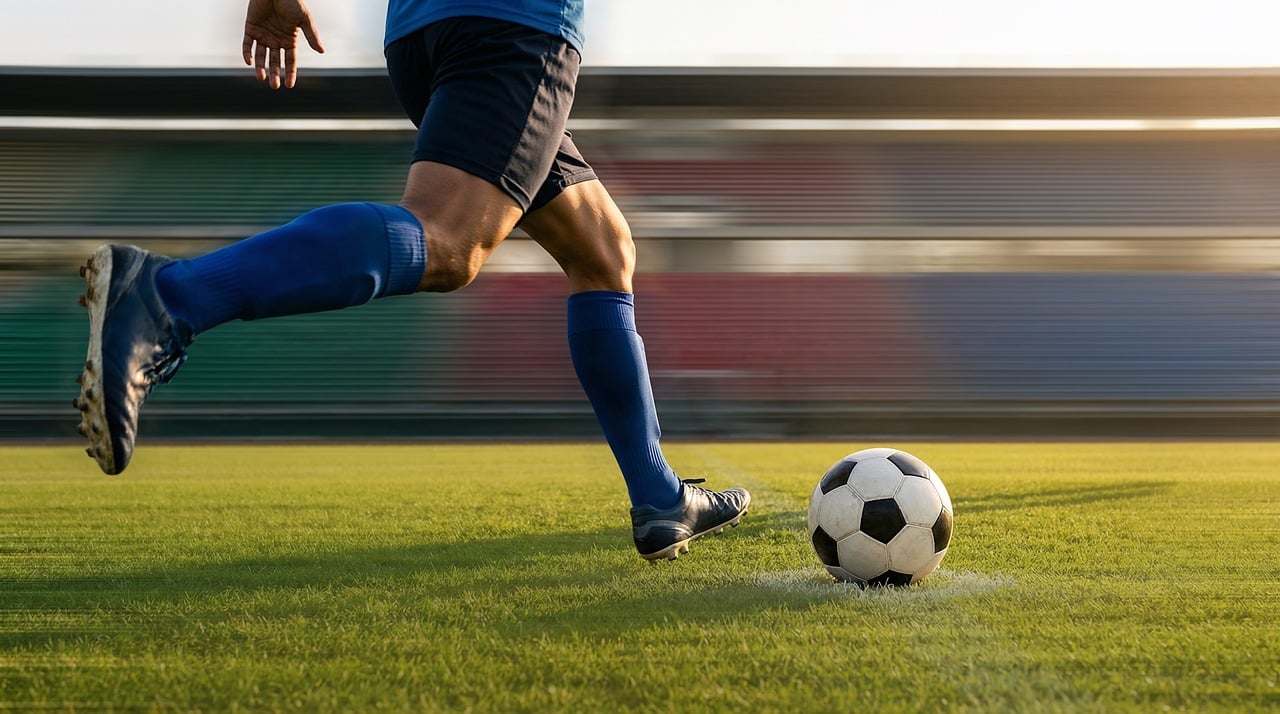

The Link Between Neuromuscular Control and Tactical Football Performance
Football is a dynamic sport that demands a fine balance of physical abilities and tactical awareness. Neuromuscular control plays a crucial role in ensuring that players can perform optimally under pressure. Enhanced neuromuscular function enables athletes to react more swiftly and effectively to unforeseen game situations. It contributes to improved agility, balance, and coordination, essential for executing skills like dribbling, passing, and shooting accurately. Effective neuromuscular training programs focus on exercises that enhance muscle activation patterns, focusing on movement specificity vital for football scenarios. Incorporating plyometrics, resistance training, and agility drills are necessary to create a robust neuromuscular foundation. As players improve their strength and conditioning, they can better adapt to the high-intensity demands of the game. Factors such as fatigue and stress can impair neuromuscular efficiency, making regular training vital in maintaining peak performance levels. Understanding these connections allows coaches to design relevant training regimens tailored to enhance both individual skills and team tactics. Consequently, an awareness of neuromuscular principles can lead to better performance on the pitch while minimizing injury risks, making it essential for aspiring footballers.
One of the core aspects of neuromuscular training for footballers is the ability to maintain control over one’s body during high-velocity movements. Players must consistently perform rapid changes in direction and speed, which can place great demands on both lower and upper body stability. Specifically, effective muscle recruitment is necessary for ensuring that athletes can execute strategies and tactics without compromising their safety. Training that emphasizes agility, core stability, and proprioception enables players to recognize and respond to positional situations that may change instantly during matches. Proprioceptive training, which involves exercises that improve body awareness, is vital for achieving optimal neuromuscular control. Enhanced proprioception assists players in anticipating how their positions relate to their teammates and opponents on the field. When players are aware of their movements and can quickly strategize accordingly, it significantly boosts their tactical decision-making abilities. Coaches must include sport-specific drills aimed at enhancing these neuromuscular skills within their training sessions to optimize player performance. Regular, targeted programs promote engagement and enhance tactical flexibility in various situations on the football field.
The Importance of Strength Training
Strength training is one of the cornerstones of neuromuscular development for football players. By building muscular strength, athletes can generate greater power, which translates into improved performance in critical game situations. Stronger players can engage more effectively with opponents during tackles, and they have increased endurance to sustain high-performance levels throughout matches. A well-structured strength training program incorporates both resistance and functional training exercises, targeting specific muscle groups that contribute to football skills. Exercises like squats, deadlifts, and lunges facilitate the development of essential muscle groups necessary for maximizing sprinting, jumping, and agility. Resistance training also plays a key role in injury prevention; stronger muscles and tendons protect joints from the stress sustained during intense play, significantly lowering injury risks. By prioritizing strength training, footballers can train their bodies to produce explosive, quick movements. Consequently, players can manipulate their physical attributes to outpace and outmaneuver their opponents. Implementing both compound and isolation exercises ensures a comprehensive approach that maximizes neuromuscular adaptations, thereby leading to enhanced tactical performance on the field.
Agility training also holds significant relevance in neuromuscular training for football performance. Athletes must be capable of shifting directions rapidly and ensuring stability while doing so. Incorporating agility drills such as ladder drills, cones, and plyometric exercises allows football players to hone their neuromuscular control, enhancing both their movement efficiency and technical execution. Agility training enhances the capacity to perform necessary skill sets effectively while responding rapidly to dynamic game scenarios. Training focused on footwork and body positioning ensures players become adept at navigating opponents while maintaining ball control. Additionally, neuromuscular adaptation during agility drills fosters quicker reaction times, allowing players to interpret and predict opponents’ actions better. Coaches should integrate sport-specific agility drills into practice sessions, tailoring them to the tactical demands prevalent in competitive matches. By developing agility, footballers are equipped to maneuver themselves more effectively, leading to smoother transitions and more informed decision-making. Thus, agility training not only contributes to physical performance but also feeds into the overall tactical aspects of gameplay, creating well-rounded, strategic players.
The Role of Balance and Coordination
Balance and coordination are paramount for optimal neuromuscular performance in football. Effective neuromuscular control enables athletes to maintain stability during complex movements, particularly when receiving passes, executing tackles, or shooting. Training programs should emphasize maintaining balance on unstable surfaces, which challenges the neuromuscular system while reinforcing essential skill sets. Exercises such as single-leg drills and balance beam activities are excellent for developing these aspects. Enhanced balance and coordination provide footballers with the ability to manipulate the ball accurately under pressure from opponents while enhancing their overall athletic prowess. Furthermore, adequate coordination between upper and lower body movements enhances shooting and passing effectiveness, a crucial skill in achieving offensive gains. Integration of proprioceptive exercises fosters the neural connections vital for fine motor control, which significantly influences performance on the field. Coaches must devise individualized training regimens that incorporate balance and coordination training, enabling athletes to discover their unique physical capabilities. This planning not only optimizes individual skill but it refreshes overall team strategies during matches, allowing for synchronized plays that elevate the team’s competitive edge.
Specificity in training programs is integral to success in neuromuscular training for footballers, ensuring that exercises chosen align with the demands of the sport. Tailored programs consider an athlete’s position, emphasizing the specialized skills required for various roles. For instance, midfielders benefit from enhanced endurance and agility, while forwards may prioritize explosive power and finishing skills. Implementing position-specific drills provides players with direct links between their training and competitive performance. Coaches should collaborate closely with sports scientists to identify the specific neuromuscular requirements unique to different playing roles, enabling them to create effective training cycles. Factors like speed, strength, agility, and endurance create a comprehensive approach that maximizes the benefits of training durations. Training variability is also essential, ensuring that sessions remain engaging and adaptive to players’ progressing goals. By continuously monitoring players’ performance data, coaches can adjust emphasis accordingly, facilitating optimal neuromuscular adaptations. Thus, ensuring specificity allows footballers to see direct performance improvements that are observable during competitive play, honing the skills they need to excel and succeed.
Conclusion: Focus on Integrated Approaches
Ultimately, integrating neuromuscular training into football programs fosters athlete development across both physical and tactical dimensions. The interconnectedness of muscle function, balance, agility, and coordination underscores the benefit of a holistic training approach. Coaches should strive to create environments where players see real-time improvements as they innovate and improve their skill sets. By recognizing the interplay between different training elements, it’s possible to elevate player performance beyond basic parameters. This momentum establishes a culture of continuous growth, enabling athletes to identify their unique potential while refining tactical intelligence. Programs must actively monitor and adjust to the players’ evolving needs, ensuring sustained engagement and effective goal alignment. As athletes embrace new challenges, they also become resilient to setbacks. The fusion of neuromuscular control with tactical awareness forms a cohesive training model that prepares players for high-level competition. Consequently, coaches possess the opportunity to harness these principles to develop well-rounded footballers eager to tackle the increasingly complex demands of the sport. Thus, embracing an ongoing commitment to comprehensive training paradigms is essential in cultivating elite football talent.
Furthermore, by psychologically reinforcing the principles of neuromuscular training, athletes can cultivate resilience and adaptability. This mental aspect is pivotal when faced with on-field challenges that test their abilities. Visualization techniques, along with regular feedback from coaching staff, deepen players’ understanding of tactical scenarios, which aids in executing positional strategies. Mindfulness practices can support players in managing stress, allowing them to maintain focus during critical moments to execute learned neuromuscular skills flawlessly. Therefore, mental fortitude complements the physical training components, establishing a strong foundation for overall performance. Football players must not only train their bodies but also develop the cognitive skills necessary for quick decision-making under pressure. In addition, ensuring regular assessments of performance through drills and competitive play helps in identifying strengths and areas for improvement. With continuous assessments, coaching strategies can adapt accordingly to support individual progress. Setting clear, achievable goals within training can further motivate players to commit to their physical and mental growth. By integrating mental training techniques within neuromuscular frameworks, footballers become comprehensive athletes equipped to fulfill their roles dynamically in the sport.