
Avoiding Lower Back Strain During Physical Activity
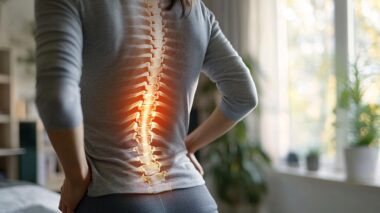
Lower back strain is a common issue faced by many individuals who engage in various physical activities. Proper awareness of your body mechanics is crucial in preventing injuries. To maintain lower back health, consider incorporating targeted flexibility exercises into your routine. Simple stretches can significantly enhance your mobility and help prevent discomfort while engaging in physical activities. Additionally, be sure to warm up adequately before exercising; this prepares your muscles and joints, reducing the risk of strains. Maintaining a strong core is equally important, as a stable core supports your spine and helps distribute load evenly during movement, further reducing strain. Additionally, pay close attention to your posture when exercising. Incorrect posture can lead to unnecessary stress on your lower back. Techniques such as engaging your abdominal muscles and aligning your spine with proper form can alleviate potential strain. Don’t overlook the significance of cooling down and performing post-exercise stretches as these simple practices can aid in recovery, keeping your lower back healthy and agile. Lastly, consider consulting with a fitness professional to develop a tailored exercise program that addresses your flexibility needs.
Understanding Lower Back Mobility
Improving lower back mobility is vital for overall physical health. The flexibility of your lower back greatly affects your ability to perform daily tasks and engage in sports activities. It’s essential to incorporate dynamic stretches focused on the lower back, hips, and legs to enhance your mobility. Begin your routine with movements like gentle twists and side bends to warm up the spine effectively. Additionally, consider functional movement patterns like squats and lunges, as they activate various muscle groups and increase flexibility. Using tools like foam rollers and resistance bands can further aid in your mobility enhancement efforts. Regularly engaging in yoga or pilates can also be beneficial, as these practices emphasize flexibility and core strength. When practicing these movements, it’s vital to listen to your body and adjust according to your comfort levels. Gradual progression in the intensity of stretches will yield more sustainable results. Lastly, remember to stay hydrated and maintain a balanced diet; this promotes joint health, allowing your body to move more freely. Prioritizing lower back mobility can lead to an overall enhancement in your physical performance.
Incorporating specific exercises into your physical activity routine can greatly enhance lower back mobility. Exercises such as the cat-cow stretch, child’s pose, and pelvic tilts are effective for both mobility and relieving tension in the lower back. The cat-cow stretch promotes spinal flexibility by alternating between arching and rounding the back, thus engaging both the lower back and abdominal muscles. Similarly, the child’s pose stretches the spine and hips while facilitating relaxation and stress relief. Pelvic tilts, on the other hand, engage the core and help improve lower back stability while enhancing mobility. Additionally, consider dynamic movements such as leg swings and hip circles during warm-ups. These activities promote blood flow to the area, preparing your muscles for more strenuous activity. Incorporate strength training targeting not only the lower back but also the entire core, as this will provide better support during movement. Consistency is crucial for achieving and maintaining flexibility, so regular practice is recommended. Always ensure you’re doing each movement with proper form to maximize benefits while minimizing the risk of injury. Therefore, a focused approach to lower back mobility can lead to improved overall strength.
Preventing Overexertion in Activities
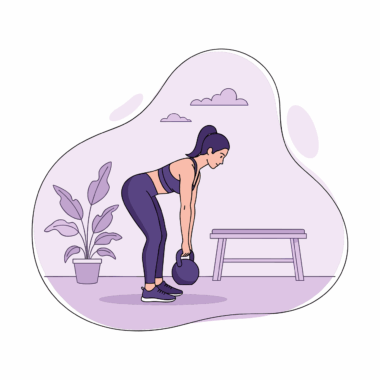
During physical activities, overexertion can lead to significant lower back strain. Understanding your physical limits is essential when engaging in any strenuous workout, especially those that require lifting or repetitive motions. It’s crucial to pace yourself during exercise sessions, gradually increasing intensity rather than jumping into high-stress activities. Listen to your body signals; if you feel discomfort or fatigue, take a break to avoid unnecessary strain on your lower back. Employ proper techniques like lifting with your legs instead of your back, as this reduces weight bearing on the spine. Ensure that you’re using ergonomic equipment, particularly if you’re involved in strength training or sports that require specific gear. Don’t forget the importance of alternating activities and allowing your body adequate recovery time to avoid overuse injuries. Incorporating active recovery days, where you focus on low-impact activities, can aid in muscle recovery without adding stress. Moreover, maintaining flexibility through stretching can improve recovery time and enhance performance, so prioritize it in your routine. Developing and respecting your physical boundaries is key to maintaining a healthy active lifestyle.
Nutrition plays a pivotal role in maintaining lower back health as well, influencing your muscle and joint function. Consuming a balanced diet that includes sufficient vitamins and minerals strengthens your muscles, ligaments, and bones. Key nutrients such as calcium, magnesium, potassium, vitamin D, and omega-3 fatty acids help reduce inflammation and support overall musculoskeletal health. For example, calcium and vitamin D are crucial for maintaining bone density, while omega-3s can alleviate muscle soreness post-exercise. Staying adequately hydrated is equally important for joint health, ensuring that your body can lubricate joints effectively and preventing stiffness. By focusing on whole foods like fruits, vegetables, lean proteins, healthy fats, and whole grains, you can improve not only your overall health but also your physical performance. Avoid excessive consumption of processed and sugary foods, which can lead to inflammation and discomfort during exercise. Tailoring your diet to include anti-inflammatory foods may also significantly enhance your recovery time. Additionally, proper meal timing around your workouts can optimize your energy levels, ensuring that your muscles receive the right nutrients before and after exercise.
The Importance of Recovery
Recovery is a critical component of any physical training program, particularly for lower back mobility. After strenuous activity, your muscles and connective tissues require time to heal and adapt. Incorporating rest days into your routine allows for muscle recovery, reducing stiffness and strain in the lower back. Active recovery techniques can be very effective. Activities like walking, gentle swimming, or restorative yoga can promote blood circulation and help mitigate soreness without putting additional strain on your lower back. Moreover, techniques such as foam rolling and massage therapy can relieve muscle tension and enhance mobility while promoting relaxation. Adequate sleep is also crucial, as this is when your body repairs itself. Aim for 7-9 hours per night to maximize recovery potential. Stretching post-workout provides additional benefits, enhancing flexibility, and decreasing muscle tightness while fostering relaxation. Keep in mind that neglecting recovery can lead to overuse injuries and prolong discomfort. Thus, prioritizing recovery methods alongside your workout routine is essential to maintaining optimal lower back health, ensuring you can continue to engage in physical activities without strain.
In conclusion, preventing lower back strain during physical activity requires a multifaceted approach that includes enhancing mobility, maintaining proper form, and focusing on recovery. By integrating targeted flexibility exercises, understanding the importance of nutrition, and allowing your body ample time to recover, you can significantly reduce the risk of lower back discomfort. Remember to listen to your body and respect its limits as you engage in various activities. Ensuring a strong core and practicing good posture also supports your back’s health, allowing for better movement throughout your daily life. Consider consulting with healthcare professionals if you experience persistent discomfort or have concerns about your routine. With patience and dedication, improving your lower back mobility can lead to lasting strength and resilience for physical activities. This not only enhances your athletic performance but also contributes to an overall healthier lifestyle. Embrace the flexibility and mobility of your body, and ensure you’re taking preventive measures to keep your lower back healthy. Ultimately, developing a comprehensive strategy to address lower back strain will empower you to maintain an active and fulfilling lifestyle.
Each of these practices embodies a commitment to your body’s overall health and ability to perform. Incorporating these actionable steps into your activities will ensure your lower back remains mobile and strong.