
Beginner’s Guide to Trail Running for Obstacle Course Racing
Obstacle Course Racing (OCR) can be a thrilling challenge, especially for trail runners looking to improve their skills and endurance. To effectively tackle OCR events, beginners should start with a solid training plan that builds strength, speed, and agility. First, incorporate interval training to enhance your cardiovascular fitness. This means alternating between high-intensity running and short recovery periods. To do so, choose a trail and sprint for about 30 seconds, followed by a walking or light jog for one minute. Repeat this cycle for 20 to 30 minutes. Secondly, consider incorporating strength training into your routine, focusing on the muscles that will help you navigate obstacles. Exercises like squats, lunges, and push-ups will build the necessary foundation for your race. Nutrition plays a vital role, too. Maintain a balanced diet rich in whole foods, lean proteins, and plenty of fruits and vegetables. Hydration is equally important, particularly during your training sessions. Remember, each training session is an opportunity to increase your endurance and prepare for the rigorous demands of racing.
Additionally, effective warm-up and cool-down periods are essential components of your training regimen. Before each session, devote 10–15 minutes to warming up by doing dynamic stretches such as leg swings, arm circles, and torso twists. Similarly, after training, perform static stretches to improve flexibility and reduce injury risk. Moreover, practice on varied terrain to simulate race conditions. Trail running is not just about flat paths; include hills, rocks, and uneven surfaces in your training. This will develop your balance and strengthen your stabilizer muscles. To get the most out of your trail running experience, invest in a good pair of trail running shoes. These shoes offer superior grip and protection, critical for navigating tricky terrains while preventing slips. Also, consider wearing moisture-wicking gear to improve comfort during runs. Joining a beginner’s OCR or running group can likewise provide motivation and boost your training. You’ll share tips, celebrate successes, and push each other to go further. Thus, remembering your mental mindset is key; stay positive, committed, and resilient as you progress.
Pacing is another vital skill to develop as a beginner trail runner. Before race day, practice finding a comfortable rhythm during your runs that allows you to maintain energy. Avoid starting too fast, as this leads to fatigue. Instead, aim for a steady pace that you can sustain throughout your distance. Another crucial element of your training plan should be practicing the obstacles you will face during the race. Items such as walls, ropes, and cargo nets are common in OCRs. Therefore, find a local gym or park where you can safely practice these skills. Learning techniques for climbing walls or crawling under a net can give you an advantage on race day. Additionally, include mobility and flexibility exercises in your routine, such as yoga or Pilates, to enhance your overall performance. These practices strengthen muscles and improve coordination. Cross-training is also beneficial; try swimming, cycling, or yoga to work different muscle groups without risking overuse injuries. Remember, variety in training keeps things exciting and can prevent burnouts typically associated with a rigid schedule, making you enjoy the journey to OCR completion.
Developing Mental Resilience
As challenging as physical training is, don’t forget mental preparation. Mental resilience is key in OCR, where you’ll face both physical and psychological barriers. Visualize each obstacle as you train; picture yourself overcoming them with success and confidence. This mental rehearsal can improve your self-efficacy and help you remain focused during the race. Incorporating mindfulness practices such as meditation can also enhance mental clarity and reduce anxiety. Allocate a few minutes daily to breathe deeply, center your thoughts, and visualize yourself succeeding at your OCR. Setting achievable goals throughout your training will ensure a sense of accomplishment. Short-term goals can keep you motivated, such as improving your sprint time, while long-term goals focus on completing a specific OCR event. Track your progress through a journal to maintain your focus. Recording distances, times, and how you felt during each workout can help you notice improvements over time. Connecting with fellow OCR participants or coaches can also provide additional support and encouragement. Learning from others’ experiences is invaluable for beginners and can inspire further growth in your journey.
Let’s not overlook the importance of rest and recovery in your training plan. Training too hard without letting your body recuperate can lead to burnout or injuries. Aim for at least one full rest day each week, allowing your muscles to repair and grow stronger. Additionally, consider incorporating active recovery sessions such as light walking, easy cycling, or swimming, which can foster blood flow without placing too much strain on your body. Don’t forget to listen to your body; if you feel tired or in pain, take a step back and modify your training plan accordingly. Using foam rollers or taking regular massage therapy can help in relieving muscle tightness and improving flexibility. Hydration must be prioritized on rest days too, as it aids recovery. Meal planning that includes protein, healthy fats, and whole grains will make these rest days effective to ensure that you’re well-fueled for your next workout. Building a strong foundation requires patience and consistent effort, and acknowledging that recovery is part of the process will make your training more sustainable in the long run.
Race Day Preparation
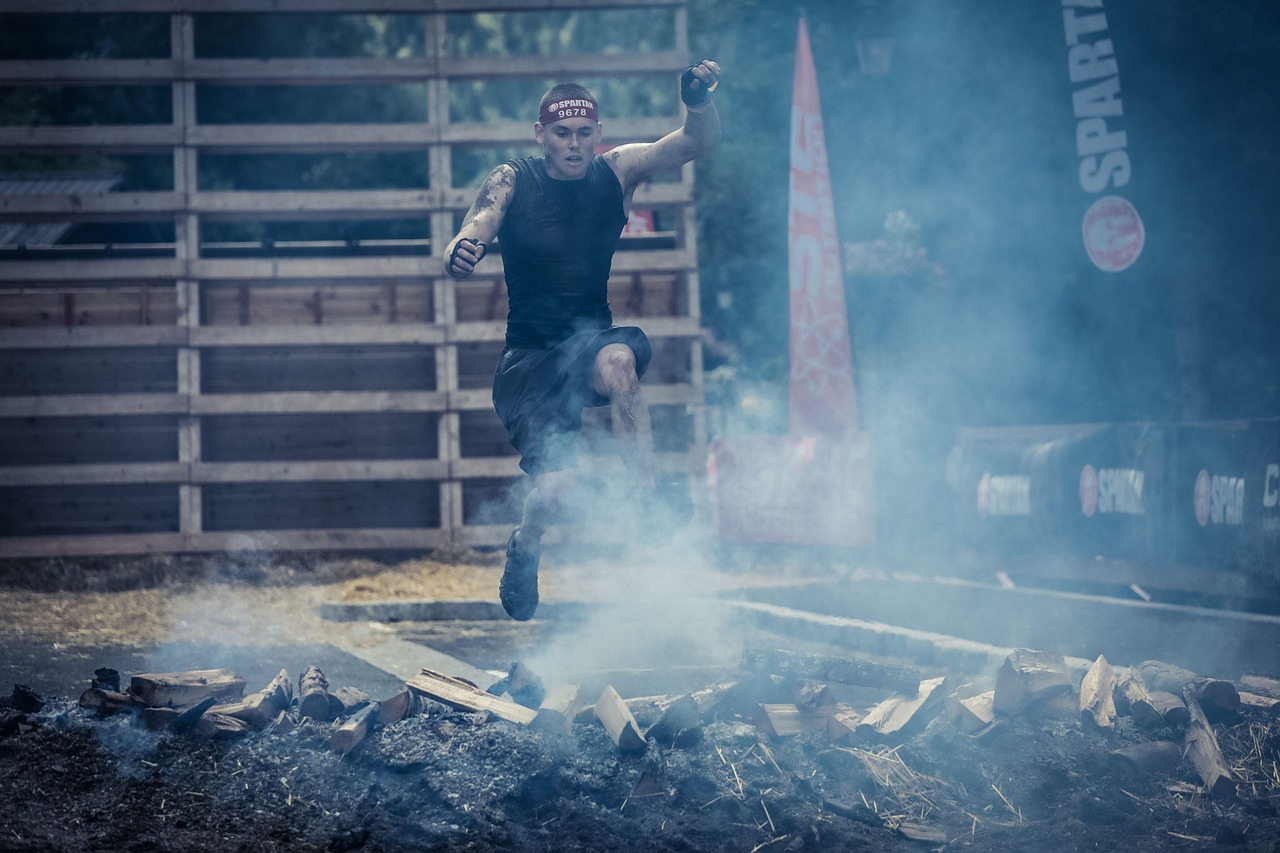
Approaching the race day, preparation takes a strategic approach to ensure optimal performance. Familiarize yourself with the race course map and understand the layout well before race day. Knowing the types of obstacles you’ll face will help hone your techniques and strategies for overcoming them. Assemble a race day checklist that includes gear essentials such as hydration packs, energy gels, and necessary attire, ensuring you are well-prepared and feel confident. On the night before the race, aim for a good night’s sleep and hydrate adequately in the days leading up to the event. This sleep is critical for muscle recovery and performance. Fuel your body with a nutritious breakfast on race day—consider light foods that provide quick energy, such as oatmeal or bananas. Arrive early to allow time for warm-ups and familiarize yourself with the environment. Embrace a positive mindset, expecting challenges but focusing on your training and preparation. Trust in the work you’ve put in, stay relaxed, and breathe deeply. Finally, knowing you have done the hard work allows you to race your best without being overwhelmed.
Post-race reflection is equally as crucial as the preparation leading up. After crossing the finish line, take a moment to celebrate your achievements, regardless of placement. Whether you reach your time goals or conquer every obstacle, remember every experience at the OCR is valuable. Spend time reviewing your performance; assess each part of the race to determine what worked, what didn’t, and how you can improve for your next event. Consider bonding with fellow racers, sharing stories, and tips, as this can reinforce your connection to the OCR community. Recovery is also essential this week; indulge in some well-deserved rest, fuel your body with nutritious foods rich in vitamins and proteins, and prioritize hydration. Continue your training while potentially involving lighter workouts to ease back into your routine. Use this reflective period to set new goals based on your performance and reinforce your dedication to OCR. Finally, maintain enthusiasm and enjoyment throughout your journey. Finding joy in competing and training will not only improve performance but foster a lifelong passion for obstacle course racing.
Through dedication and proper planning, you will find success in trail running for OCR. Solid routines, mobility, and resilience form the backbone of any successful training plan. Whether you are new to the sport or looking to refine your existing skills, this guide equips you with essential strategies for performance improvement. Remember, every runner’s path is unique. Tailor your preparation for what works best for you while remaining open to new techniques and methods. Stay consistent, deliberate, and focused in the goal of enhancing your trail running abilities. This journey will not just help you in OCR events but will improve your overall athletic performance. The reward will be the sense of achievement and camaraderie you feel as you pave your way to success in OCR. Embrace every challenge along the way, for these trials develop strength and character. With commitment, you can not only reach the finish line but develop a love for the thrill of obstacles. Thus, lace up those shoes and hit the trails, building your body and mind for exhilarating races ahead!