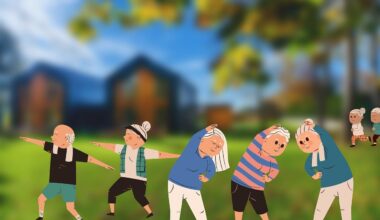

Group Dynamics: How Community Boosts Dance Aerobics Motivation
Dance aerobics activities offer a vibrant environment that cultivates motivation through community spirit. Engaging in group settings fosters strong connections among participants, which enhances their overall experience. When individuals are surrounded by others who share similar goals and passions, they often feel driven to push themselves further. Collective energy is present when dancing alongside peers; this dynamic reinforces commitment and encourages consistent attendance. Groups often display infectious enthusiasm that can spark motivation where it might otherwise be lacking. Additionally, social bonds formed in these spaces provide opportunities for accountability, creating a supportive network. As individuals witness progress in companions, it can inspire them to strive for their personal best. Furthermore, the desire to participate in group classes promotes a sense of belonging. A shared commitment to fitness and enjoyment creates an uplifting atmosphere that naturally fuels motivation. Factors such as camaraderie, accountability, and shared experiences are critical elements that contribute to motivating individuals to engage continually in dance aerobics. Therefore, prioritizing a community-driven approach in dance programs can lead to lasting motivation and more significant participation rates, transforming each session into an enjoyable experience for everyone involved.
Recognizing the importance of group dynamics in dance aerobics is crucial for maintaining participant motivation. The sense of belonging within a community can significantly impact one’s commitment to exercise. When individuals feel valued and accepted, they are more likely to attend classes regularly and participate actively. This level of engagement creates an environment conducive to learning and improvement. Groups often experience collective growth, where achievements are celebrated together, reinforcing motivation both individually and collectively. Furthermore, social interactions within classes foster friendships that enhance the overall workout experience. When friends encourage one another, it results in reduced feelings of stress and anxiety related to fitness goals. The shared experience of overcoming challenges can build a stronger bond that transcends mere acquaintances. Therefore, dance instructors should facilitate community-building activities both in and out of class time. Classes can incorporate friendly competitions or social gatherings to further strengthen connections among members. Ultimately, fostering group dynamics enhances motivation and enriches the journey of each participant. The shared mission of personal improvement in dance aerobics becomes more rewarding when individuals are surrounded by a supportive motivational community.
Building a Supportive Community
In the realm of dance aerobics, creating a supportive community is vital for boosting motivation. An encouraging environment allows individuals to feel comfortable expressing themselves during classes. When dancers work together toward common fitness goals, they become emotionally invested in the success of one another. This emotional investment can result in persistent enthusiasm, which is essential for remaining committed to an exercise routine. Additionally, supportive communities help every member acknowledge and celebrate achievements, whether big or small, thus promoting further progress. Regular recognition of accomplishments cultivates a culture of positivity and motivation, which is particularly crucial in group dance settings. Instructors play a significant role in fostering this supportive atmosphere, encouraging feedback and interactions among participants. By creating an inclusive space, individuals are more likely to contribute to one another’s success. Moreover, such communities can provide resources, share tips, and motivate members even outside the dance studio. Collaborating with one another empowers participants to seek out additional opportunities for growth in their dance practice. As the community strengthens, the members’ dedication to dance aerobics becomes intertwined with shared motivation tailored towards achieving personal and group aspirations.
This supportive environment also enhances personal accountability among group members. In dance aerobics, individuals are more inspired to give their best effort when they know their peers are watching. This heightened awareness encourages them to maintain consistency and strive towards their goals. Participation in a community can even propel healthier lifestyle choices outside of the class. With common interests aligning, individuals may share nutritional advice, fitness resources, or personal experiences to support each other. This synergy reinforces commitment, creating a motivating cycle of encouragement and results. Furthermore, as each member witnesses the progress of their peers, it evokes a sense of friendly competition that can further stimulate motivation. Observing a fellow dancer achieve a personal milestone can lead to increased determination. This communal experience ultimately transforms the standard workout into a motivating journey filled with camaraderie. Creating a platform for social interaction and support increases motivation, making each dance aerobics class feel less like a chore and more of a pleasurable event. Thus, a strong community shapes an individual’s fitness journey positively. Engaging with others forms an empowering bond that can yield long-lasting influence on one’s overall fitness path.
The Influence of Positive Feedback
Positive feedback plays an essential role in maintaining motivation in dance aerobics classes. When members receive constructive encouragement from peers and instructors, it can greatly enhance their self-esteem. This confidence translates into a desire to improve skills and techniques further. As participants notice their growth and develop new routines, motivation increases. Moreover, individuals within a group can offer valuable insights and suggestions, which can heighten personal investment and engagement. This collaboration breeds a culture of support where constructive feedback is a pathway to enhance personal goals. Moreover, recognizing improvements, like mastering a new choreography or improving endurance, becomes an integral part of the dance group dynamic. With every achievement, members are likely to motivate each other to keep working towards their fitness objectives. This cycle of feedback promotes persistence, creating momentum in one’s fitness journey. By cultivating an atmosphere that encourages positive reinforcement, instructors can effectively lead their classes while ensuring each member feels valued. Hence, the role of positive feedback within group dynamics can significantly impact the overall motivation, ultimately leading to enhanced enjoyment in dance aerobics.
In addition, positive reinforcement can create a lasting impact on community dynamics and participants’ attitudes towards their routines. As group members cheer each other on, it boosts morale and establishes a sense of belonging. In this supportive atmosphere, even small wins are recognized, reinforcing the idea that every effort matters. The satisfaction of receiving affirmation from peers encourages individuals to challenge themselves continuously. The bonds formed through shared experiences provide strength during tougher weeks when motivation might wane. Communities that celebrate each other’s successes and recognize areas for improvement create an inviting space for growth. Thus, a strong culture of encouragement actively engages members and promotes a consistent approach to fitness. Moreover, this welcoming environment encourages new participants to join and experience the motivating benefits firsthand. Regular encouragement makes individuals feel that they have not only joined a workout class but are part of a vibrant community. This sense of belonging can revive commitment to fitness goals even after challenging circumstances. Ultimately, a community that thrives on positive feedback can significantly transform participants’ motivation. This change reinforces the idea that fitness is not a solitary journey but a shared celebration of growth and achievements.
Fostering Lasting Connections
Dance aerobics allows individuals to form connections that can extend beyond the studio walls. When members engage during classes, they often develop friendships that enhance their motivation. These connections make the routine feel less like a chore and more of an enjoyable experience. Consequently, when individuals have a support system outside the dance course, they are more likely to continue participating regularly. Group classes can also lead to collaboration in other fitness or social activities, further solidifying bonds. These relationships amplify motivation levels, as friends often share goals and celebrate each other’s victories. In group dance environments, fostering these lasting connections becomes an essential motivator for individual engagement. By partnering up for specific routines or creating buddy systems, participants can develop a deeper sense of commitment towards each other and their goals. Group dynamics not only create more enjoyable experiences but also enrich lives by providing companionship. As the social component becomes more prominent, members can navigate challenges together. Open conversations built upon trust promote both accountability and encouragement. As a result, the gradual transformation of loose acquaintances into firm friends fuels sustained motivation in dance aerobics classes.
Moreover, these friendships can lead to an increased retention rate within dance aerobics programs. When people forge connections, they are less likely to drop out of classes, knowing they have friends who count on their presence for support. The emotional ties created through shared workouts and successes enhance commitment beyond personal achievement. Creating memories during classes – whether they’re fun moments or challenges – cements the shared experience. Dance aerobics thus becomes more than just a physical activity; it evolves into a way of life that shapes the community’s culture. This relational aspect profoundly influences motivation levels and encourages smoother re-engagement after extended absences. Thus, instructors should emphasize activities that promote connection-building at every class opportunity. For instance, pairing members for dance challenges or incorporating communal warming up exercises can further enhance bonding experiences. Strong connections ultimately create a lasting impact on participants’ ongoing motivation. It turns each dance aerobics session into a celebration of friendship, fitness, and the power of community support. As a result, fostering strong connections in dance aerobics becomes a powerful catalyst for driving persistent passion and engagement both within and outside the classes.