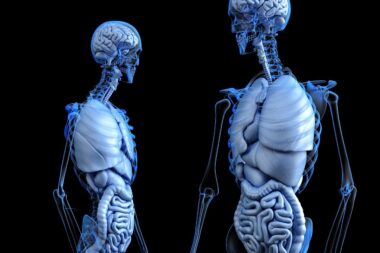

How Exercise Affects Your Gut-Brain Axis
Understanding the gut-brain axis is essential for grasping how physical exercise impacts our health. This complex communication network links the gastrointestinal system to the brain, influencing emotions, cognitive function, and overall well-being. Exercise is believed to enhance this communication, leading to improved mental clarity and mood stability. Regular physical activity encourages the growth of beneficial gut bacteria. These microorganisms play a vital role in neurotransmitter production and maintaining gut health, which in turn affects our mental state. Additionally, movement triggers the release of endorphins, significantly impacting our mood and mental well-being. A healthy gut can facilitate effective brain functioning. Studies suggest that people with better gut microbiota show reduced anxiety and depression. Furthermore, physical exercise can decrease inflammation in the gut, supporting a healthier microbiome. Consequently, nurturing our gut can mitigate various mental health challenges. As we explore this connection further, we recognize that fostering a healthy gut environment opens pathways to enhanced mental health through exercise. Understanding this relationship is vital for anyone looking to improve both physical and mental well-being through a consistent workout regimen.
The influence of exercise on the gut-brain axis extends beyond mood enhancement. Engaging in regular physical activity can improve gastrointestinal function. This enhancement includes better digestion, nutrient absorption, and regular bowel movement. When we exercise, our body channels blood toward the muscles. This process can also stimulate greater blood flow to the digestive tract, thus improving overall gut health. Moreover, exercise stimulates the secretion of hormones and peptides that can affect appetite regulation, digestion, and gut microbiota balance. Specifically, hormones such as ghrelin and peptide YY regulate hunger and satiety. These factors influence how we interact with food and the corresponding effects on our mood and energy levels. Dynamic exercises like yoga or Pilates bring awareness to the body, fostering a deeper connection between our gut and brain. Mindful movements can lead to improved emotional states and reduced stress. As such, realizing the benefits of various exercise types is crucial. Diverse physical activities engage different body systems, thereby affecting both the gut and brain. Taking part in holistic approaches integrates movement with mental health benefits, creating pathways for improved well-being.
Exercise and Gut Microbiota
Research indicates that physical activity can positively alter gut microbiota composition. Exercise helps foster a diverse range of beneficial bacteria, which can contribute to improved gut health. Some studies have shown that individuals who engage in regular aerobic activities have higher levels of bacterial diversity. This diversity is crucial because a varied microbiome is often linked to enhanced mental and physical health. For instance, increased microbiota variety can support the production of neurotransmitters like serotonin, which directly affects mood and cognitive function. Additionally, a balanced gut microbiome may protect against certain neurodegenerative diseases. Different forms of exercise, including strength training, have also shown potential benefits for gut health. Strength training not only builds muscle but may enhance the gut’s response to various stimuli. Groups benefiting the most include those participating in team sports or group exercises. These activities provide social interactions besides physical benefits, which also aid in nurturing the gut-brain connection. Engaging in diverse physical activities can enrich gut microbiota composition, leading to stronger emotional resilience and improved cognitive performance. Thus, embracing various workouts can significantly impact overall well-being.
In addition to enhancing microbiota composition, exercise also reduces stress. Stress negatively affects our gut health and can lead to complications like irritable bowel syndrome. Regular exercise helps to lower cortisol levels, a hormone associated with stress. When cortisol remains high, it can affect digestion and impair the gut-brain communication pathway. Physical activity, however, alleviates stress, allowing the body to relax and function correctly. Activities such as running or swimming stimulate the release of feel-good hormones, improving mental health. Engaging in these exercises can lead to better emotional regulation, which can further enhance overall gut function. Moreover, mindful practices like yoga also teach breathing techniques, which help reduce stress levels. When we focus on deep breathing, our body shifts towards a state of relaxation, positively impacting gut health. Therefore, integrating mindfulness into workouts fosters not only physical strength but also emotional stability. As we understand this connection, it reinforces our motivation to prioritize consistent physical activity for maintaining optimal balance in our gut-brain axis. Regular exercise is paramount in promoting balance in both physical and mental health.
Nutrition and Exercise Synergy
The synergy between nutrition and exercise plays a substantial role within the gut-brain axis. Proper nutrition fuels exercise, enhances performance, and contributes significantly to gut health. Foods rich in probiotics, such as yogurt, kefir, and fermented vegetables, promote a flourishing gut microbiome. When complemented with regular exercise, this nutritional intake can have profound mental health effects. Moreover, the timing of nutrient consumption can affect performance and recovery. Consuming balanced meals before and after workouts supplies energy and aids in muscle recovery. Maintaining optimal gut function also means that post-exercise nutrition must support the body’s demands. Focusing on whole foods, fiber-rich produce, and hydrating fluids helps to achieve this balance. As nutrients are absorbed properly through enhanced gut health, our energy levels and cognitive functions improve. Foods rich in omega-3 fatty acids, like salmon, also support brain functions and reduce inflammation. This combo of exercise and mindful nutrition acts as a harmonious relationship enhancing overall well-being. Understanding this synergy is fundamental in optimizing both physical and mental health, fostering improved life quality through intentional habits.
Exploring the relationship between exercise and sleep offers further insights into the gut-brain axis. Quality sleep is vital for maintaining mental clarity and emotional balance. Exercise has been shown to improve sleep quality, which is essential for gut health. When we exercise, our bodies release endorphins, which contribute to relaxed states and improved sleep patterns. This connection emphasizes the importance of engaging in physical activity at appropriate times, avoiding intense workouts close to bedtime. Furthermore, good sleep hygiene practices enhance the positive effects of exercise. Sleep aids the body’s repair processes, including those within the gut, leading to a well-functioning digestive system that supports mental equilibrium. A well-rested body is more adept at managing stress, thus positively influencing the gut-brain axis. By making sleep a priority alongside exercise, individuals can cultivate better emotional resilience. The interplay between these aspects of health signifies the multidimensional benefits of a holistic wellness approach. Regular exercise paired with appropriate sleep practices can lead to comprehensive improvements across both physical and mental health dimensions.
Conclusion: Prioritizing Movement for Wellness
In conclusion, prioritizing physical activity is crucial for nurturing the gut-brain axis and enhancing overall wellness. Understanding the beneficial links between exercise, gut health, and mental well-being is empowering for individuals seeking balanced lifestyles. Incorporating various forms of exercise, embracing proper nutrition, and improving sleep are synergistic strategies for optimal results. Engaging in a mix of aerobic, strength, and mindfulness-driven activities promotes healthy gut microbiota, reduces stress levels, and enhances emotional resilience. Holistic wellness aims to harmonize physical and mental health, fostering better life quality and vitality. As we connect the dots between movement and mental clarity, encouraging consistent physical activities can lead to profound changes. Fostering a healthy gut environment through intentional habits opens doorways to enhanced cognitive performance and emotional stability. Implementing this knowledge into daily routines can catalyze positive transformations. This journey toward wellness is collaborative and individualized, emphasizing the importance of each person’s unique experiences and preferences. By nurturing both body and mind, we create lasting improvements, enriching our lives and the lives of those around us.
This article highlights the importance of understanding the impact of exercise on the gut-brain axis, which ultimately leads to improved overall health and wellness.