
How Protein Powder Enhances Muscle Growth in Strength Training
In the realm of fitness, strength training has gained enormous popularity among enthusiasts seeking to improve their physical performance and aesthetics. However, understanding the role of supplements, particularly protein powder, is essential for optimizing results in strength routine methods. Protein, as a macronutrient, is vital for muscle recovery and growth, providing the building blocks essential for muscle tissue. After engaging in strength training exercises, muscles undergo stress, leading to microtears that need substantial repair. This is where protein powder comes into play, serving as a convenient and efficient source of amino acids. Integrating protein powder in a balanced diet can significantly enhance muscle growth and expedite recovery, thus enabling individuals to train harder and more frequently. There are various types of protein powders available, including whey, casein, and plant-based options, each boasting unique benefits. Choosing the right one that aligns with personal dietary preferences can maximize the effectiveness of strength training routines. Maintain a consistent protein intake, as this is crucial for facilitating muscle adaptation and progressive overload necessary for strength development.
The process of muscle protein synthesis (MPS) is vital in understanding how protein powder supports muscle growth. Following a workout, there is a heightened state of MPS, whereas muscle breakdown also occurs concurrently. Consuming protein-rich nutrients, such as powders, during this window can tilt the balance toward muscle gain. This period typically lasts several hours post-exercise, making it an optimal time to include a dietary source of protein. Incorporating a serving of protein powder immediately after a workout can significantly influence recovery rates and muscle adaptation. Not only does protein powder assist in increasing muscle mass, but it can also aid in reducing soreness and improving overall training capacity. Studies have consistently shown the positive impact of protein supplementation on body composition changes, emphasizing its role in strength training success. Individuals looking to advance their strength training goals might consider employing protein powder as an integral part of their nutrition strategy. This strategic approach helps ensure one is reaping every possible benefit from their workouts, turning effort into tangible results that reflect in empowerment and performance.
The Types of Protein Powders
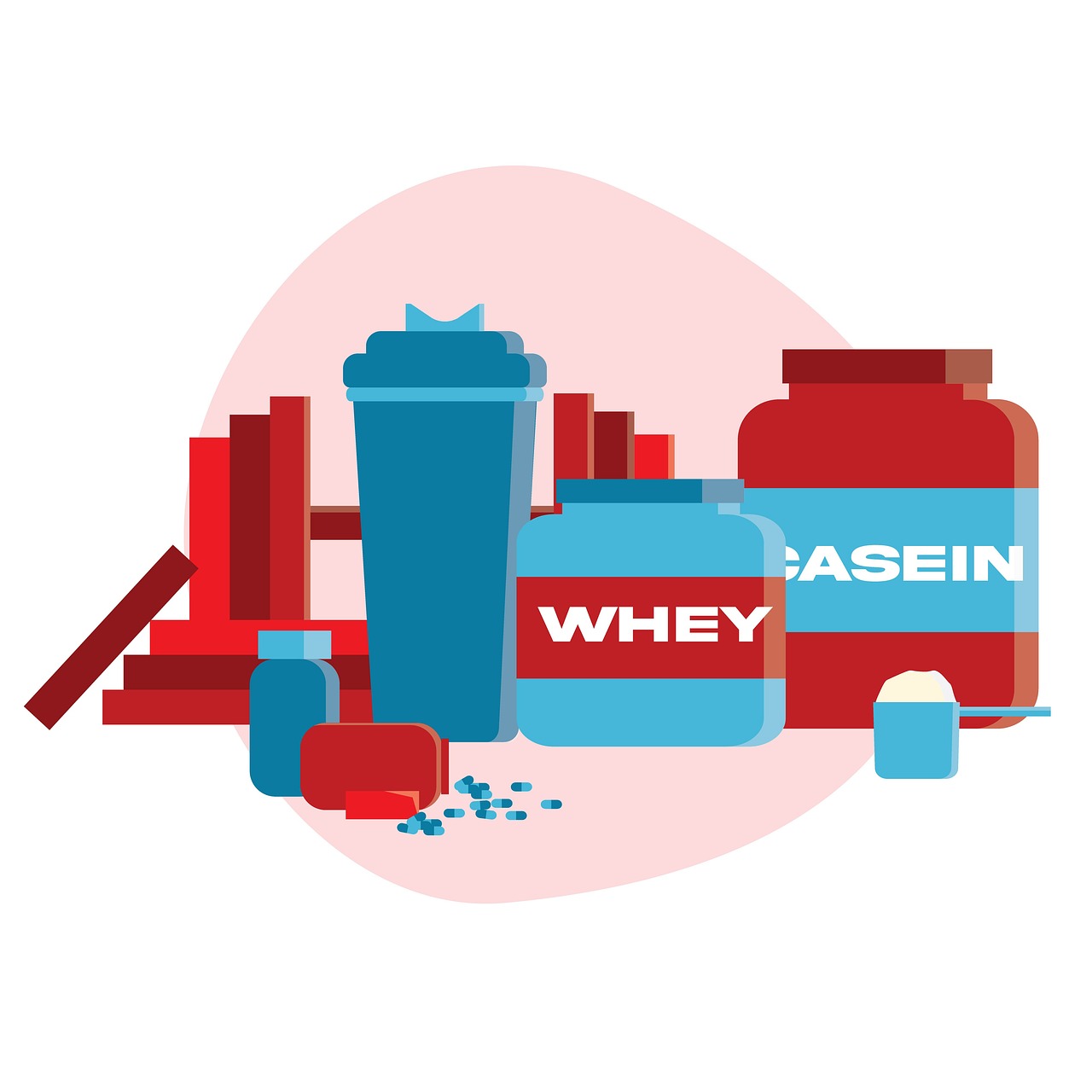
When delving into protein supplements, it’s essential to recognize the various types of protein powders available. Each type offers distinct attributes that cater to specific dietary needs and workout goals. Whey protein, derived from milk, is the most widely used protein powder due to its rich amino acid profile and rapid absorption rate. This makes it a popular choice for post-workout recovery. Casein protein, another milk-derived option, digests slower, providing a sustained release of amino acids, beneficial for muscle maintenance during fasting periods. Plant-based alternatives like pea and brown rice protein have surged in popularity and serve as fantastic choices for vegetarians and vegans. These proteins can be combined to provide a complete amino acid profile. Egg protein is another viable option, delivering a high-quality protein source without dairy. Selecting the appropriate type of protein can influence how effectively muscle mass is built and maintained. Ultimately, the key is ensuring protein requirements are met in conjunction with a well-rounded diet tailored to individual strength training goals.
Another crucial aspect of utilizing protein powder effectively lies in determining the right dosage and timing. Each individual’s protein needs vary based on factors like age, body weight, and intensity of workouts. A commonly suggested range for strength training individuals is 1.6 to 2.2 grams of protein per kilogram of body weight. This can be achieved through natural food sources and supplemented by protein powders. Timing also plays a significant role; consuming protein shortly after workouts maximizes recovery and muscle-building benefits. A balanced meal including protein should ideally accompany workouts. Many athletes find it convenient to incorporate protein shakes post-workout or before bed to capitalize on muscle recovery. Nevertheless, care must be taken to avoid excessive protein intake, as this can lead to unnecessary caloric surplus or strain on the kidneys. Consulting a nutritionist or dietitian can help personalize protein needs, ensuring optimal results. Ensuring the protein source complements the overall diet structure aids in achieving desired muscle gain effectively while supporting health.
Benefits of Protein Powder in Diet
The benefits of incorporating protein powder into one’s diet extend beyond just muscle growth. Protein plays a crucial role in weight management and can assist individuals aiming to shed unwanted body fat. A high protein intake has been linked to increased feelings of satiety, leading to reduced hunger cravings. This assists in maintaining caloric balance, crucial for effective weight loss strategies. Furthermore, protein helps in preserving lean mass during caloric deficits, ensuring individuals retain muscle as they lose weight. Protein powders also offer convenience, enabling quick and easily digestible meals, making it simpler for busy individuals or those on-the-go. Adding protein powder into smoothies or baked goods enhances nutritional value while keeping calorie counts in check. The diverse flavors available make it easier for people to find enjoyable options. For people with allergies or dietary restrictions, plant-based protein powders can offer an inclusive solution without compromising nutritional needs. Overall, the versatility and health benefits of protein powders make them an excellent addition to any strength training regimen.
Moreover, it’s essential to choose high-quality protein powders to maximize benefits derived from supplementation. Consumers should look for reputable brands that utilize third-party testing to ensure quality and purity. It’s also advisable to select protein powders with minimal additives, preservatives, or artificial sweeteners. Reading labels thoroughly helps consumers ascertain the protein content along with other nutrients. Strive for protein powders with higher biological values, which indicate better absorption and utilization by the body. Some advanced protein powders offer additional ingredients, such as digestive enzymes or added BCAAs. These can further enhance the effectiveness of protein supplementation. Understanding what goes into protein powder can mitigate potential side effects, ensuring that it complements individual health goals without adverse reactions. Health professionals often recommend conducting personal research on various brands and types before making a decision. Proper education on protein supplementation can empower individuals to make informed choices enhancing their strength training efforts and leading to healthier lifestyles.
Conclusion on Protein Powder’s Role
In conclusion, protein powder holds a pivotal role in enhancing muscle growth within strength training frameworks. When combined with a well-rounded diet, it can significantly amplify results by promoting muscle recovery, facilitating protein synthesis, and ensuring adequate intake. Incorporating the right type of protein powder at proper dosages while keeping dietary preferences in mind enables strength trainers to optimize their workouts. Whether the goal is muscle gain or body composition improvement, protein remains an indispensable element in any nutrition strategy aimed at success in strength training. With a plethora of options available, each individual can find the most suitable product tailored to fit their lifestyle. The lasting benefits of daily protein powder consumption can foster long-term adherence to fitness routines while enhancing overall health. Therefore, it is essential to approach supplementation knowledgeably, become acquainted with reputable products, and remain consistent in using protein powder for realizing desired fitness goals in strength training. By doing so, one can achieve sustainable progress that resonates in both physical performance and personal well-being.
Strength training enthusiasts should remain committed to both proper training techniques and nutrition principles. The journey of muscle building is a holistic endeavor, incorporating effort in the gym with thoughtful food choices. Integrating protein powder as part of a comprehensive strength training strategy can lead to significant advancements, translating into visible results and strengthened confidence. The synergy between workout intensity and adequate nutrition defines ultimate success, making protein powder a logical ally. As individuals embrace these principles, their strength training experiences can become more rewarding, invigorating their pursuit of physical excellence. Protein supplementation, when treated with respect and approached correctly, can yield positive change over time, offering not only improved physique but enhanced overall well-being. Embracing the multifaceted components of strength training leads to healthier lives both inside and outside the gym. Ultimately, the informed use of protein powder can resonate positively, contributing to a stronger connection with one’s fitness journey and fostering an empowered lifestyle.