
How to Integrate Kettlebell Training Into Your Workout Schedule
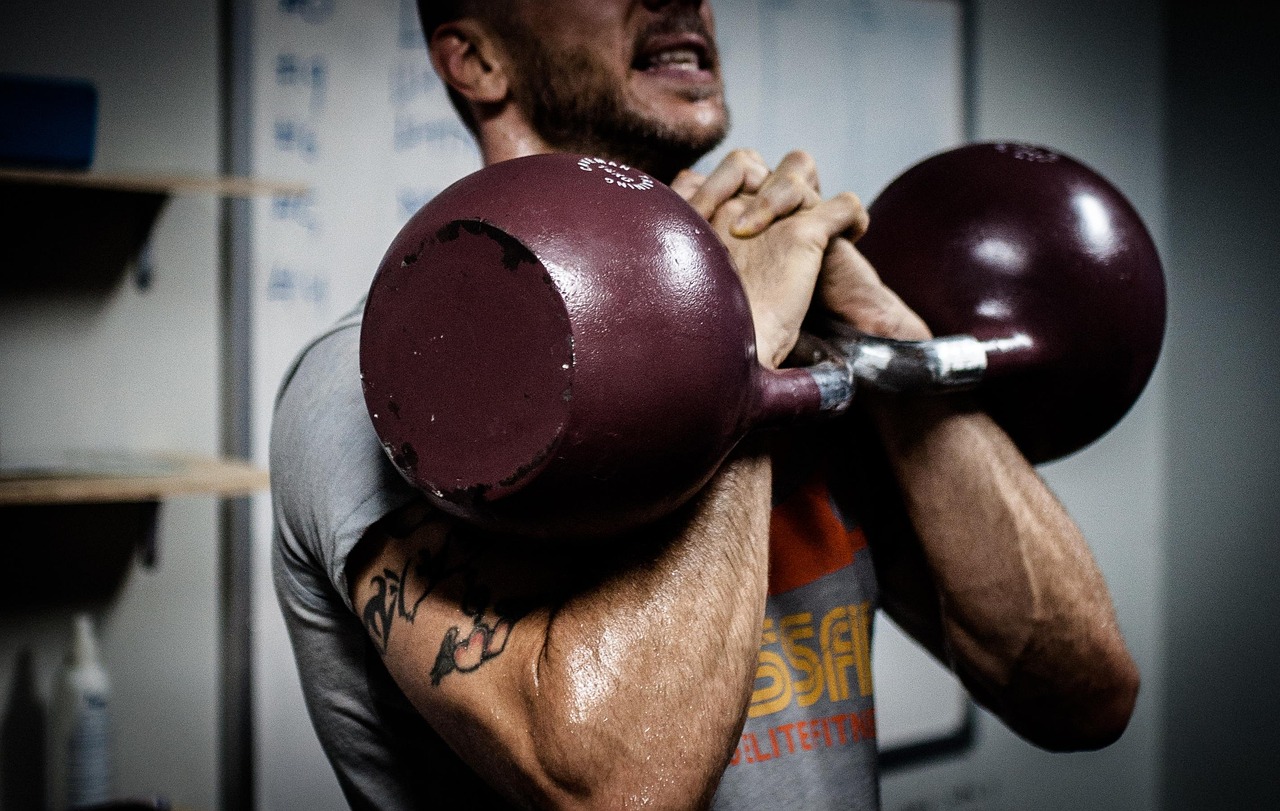
Integrating kettlebell training into your workout routine can significantly enhance your strength, flexibility, and cardiovascular fitness. To start, begin by selecting the right kettlebell weight for your fitness level. Beginners usually start with a lighter kettlebell, around 8 to 12 kg, to master form and avoid injury. Gradually increase weight as your strength and confidence develop, focusing initially on fundamental exercises like swings, goblet squats, and deadlifts. As you progress, maintaining proper form is critical, so consider consulting a trainer or watching instructional videos. Additionally, it’s beneficial to articulate your workout schedule. Select specific days for kettlebell workouts and ensure they fit seamlessly within your existing routine. For instance, you might choose to incorporate kettlebells two to three times weekly. Moreover, schedule longer sessions on the weekends when you have more time, integrating kettlebell workouts with bodyweight exercises or cardio sessions for a well-rounded approach. This scheduling method provides structure while allowing flexibility, catering to personal preferences and daily commitments, thereby making kettlebell training accessible and enjoyable.
When you incorporate kettlebell training into your workout routine, including warm-up exercises is crucial. Before you begin, engage in dynamic stretching to prepare your muscles and joints. This can include movements like arm circles, hip openers, and torso rotations. A proper warm-up helps increase circulation and reduces the risk of injury when lifting kettlebells, especially as they require dynamic movements and strength. After completing your kettlebell workout, always allocate time for stretches focused on the muscles worked. This post-workout routine helps maintain flexibility and promotes recovery in the muscles used. Incorporating slow, controlled stretches such as the hamstring stretch, shoulder stretch, and deeper squats aids in reducing soreness. Additionally, taking short breaks between sets, for example, 30 seconds to one minute, allows your body to recover and maintain form throughout your session. Stay hydrated, as kettlebell training can be intense. Ensure consistency by creating a dedicated space for your workouts. This limits distractions and encourages you to integrate kettlebell training into your regular routine more effectively, setting the stage for long-term success.
Setting Goals and Tracking Progress
Setting specific fitness goals can significantly enhance your kettlebell training experience. Begin by defining what you aim to achieve, whether it’s losing weight, improving stamina, or increasing overall strength. Having clear goals provides direction and motivation, making every workout feel purposeful. Plan to assess your progress regularly, perhaps every four to six weeks, by recording key metrics such as the weight lifted, repetitions completed, or time spent working out. Consider using a fitness tracker or an app to log your kettlebell workouts, making it easier to see improvements over time. Monitoring progress can boost your motivation and allows adjustments to your training as needed. If you find certain exercises challenging, modify them to suit your fitness level while progressively increasing difficulty as your strength builds. Challenge yourself to try new exercises, keeping your workout routine fresh and engaging. For instance, you might gradually introduce advanced techniques like the Turkish Get-Up or Kettlebell Snatch once you’ve mastered the basics. This approach develops versatility in movement and ensures balanced muscle activation.
Besides exercising, proper nutrition plays a significant role in supporting your kettlebell training goals. Focus on a balanced diet rich in whole foods, lean proteins, whole grains, and healthy fats. Eating nutrient-dense meals fuels your workouts, promotes recovery, and enhances results. Consider meal prepping for your busy weeks to ensure healthy food choices are easily accessible. For optimal energy, consume a mix of carbohydrates and proteins before workouts, such as a banana with almond butter or Greek yogurt with berries. Post-workout, prioritize protein to aid muscle recovery and growth – consider a protein shake, egg omelet, or chicken salad. Hydration also cannot be overlooked; aim to drink plenty of water throughout the day, as this supports performance and overall wellbeing. Pay attention to how your body responds to different foods and make adjustments based on your energy levels during kettlebell sessions. Over time, adapt your meal plan according to your training demands. Engaging with a nutritionist can help you personalize your dietary approach, ensuring it complements your kettlebell training effectively.
Ensuring Variety in Your Routine
To maintain motivation, it’s essential to introduce variety into your kettlebell training. Consider alternating between different kettlebell workouts to keep things engaging and prevent plateauing. Try combining strength training sessions with higher-intensity kettlebell circuits that elevate your heart rate. Programs like Tabata or AMRAP (As Many Rounds As Possible) are excellent for this purpose. Incorporating other training methodologies, such as yoga or pilates, complements kettlebell workouts to improve flexibility and core strength. Furthermore, you can explore kettlebell classes at local gyms or online, offering new routines and techniques while keeping motivation high. Attend workshops or meetups in your community to connect with other kettlebell enthusiasts, sharing insights and techniques. Need extra motivation? Challenge friends or family to join you in kettlebell workouts for added accountability and fun. Consider potential outdoor workouts in parks or friendly competitions, made even more exciting by routines led by kettlebell trainers. This exposure to different environments and people can help reinvigorate your routine and ultimately aid in achieving your fitness goals.
Listening to your body is essential when integrating kettlebell training into your routine. Recognizing signs of fatigue or discomfort may indicate a need for rest or reduced intensity in your workouts. Rest days are critical because they allow muscles to recover and grow stronger. Schedule at least one or two days of rest weekly, ensuring you’re not overexerting yourself. Additionally, consider incorporating mobility or active recovery sessions, focusing on flexibility and gentle movements while promoting blood circulation. This helps manage muscle tightness and keeps you feeling good while off from intense kettlebell workouts. Always adjust the intensity based on your energy levels that day; on tougher days, opting for lighter kettlebell exercises can be beneficial. This strategy allows you to nurture your body and keep your training consistent without risking injury. Emphasizing recovery reinforces a sustainable fitness lifestyle, making kettlebell training enjoyable rather than a chore. Remember, fitness is a journey, and balance is key. Staying in tune with your body fosters long-term adherence to your kettlebell training regimen, elevating overall health and wellbeing.
Conclusion: Embracing Kettlebell Training
As you begin to integrate kettlebell training into your workout regimen, embracing the process is vital. Kettlebell workouts not only enhance strength but offer versatility and the opportunity for functional training applicable to daily life. The combination of strength and cardio engages multiple muscle groups while developing coordination and balance. Focus on mastering the fundamental movements first, ensuring a solid foundation to build upon as you progress. Over time, you’ll likely discover advanced techniques that fascinate you and enhance your skills. Additionally, share your experiences, successes, and challenges with others in fitness communities. This interaction fosters encouragement and might inspire someone else to embark on their kettlebell journey. Integrating this equipment adds fun to your workouts while challenging your body in new and exciting ways. Commit to your training schedule with enthusiasm, and remember to be patient with yourself as you develop new skills. In conclusion, kettlebell training offers accessible fitness that can easily adapt to your lifestyle. So grab your kettlebell, seek variety, and enjoy transforming your health and fitness.
Integrating kettlebell training into your workout routine can significantly enhance your strength, flexibility, and cardiovascular fitness. To start, begin by selecting the right kettlebell weight for your fitness level. Beginners usually start with a lighter kettlebell, around 8 to 12 kg, to master form and avoid injury. Gradually increase weight as your strength and confidence develop, focusing initially on fundamental exercises like swings, goblet squats, and deadlifts. As you progress, maintaining proper form is critical, so consider consulting a trainer or watching instructional videos. Additionally, it’s beneficial to articulate your workout schedule. Select specific days for kettlebell workouts and ensure they fit seamlessly within your existing routine. For instance, you might choose to incorporate kettlebells two to three times weekly. Moreover, schedule longer sessions on the weekends when you have more time, integrating kettlebell workouts with bodyweight exercises or cardio sessions for a well-rounded approach. This scheduling method provides structure while allowing flexibility, catering to personal preferences and daily commitments, thereby making kettlebell training accessible and enjoyable.