
How to Recognize and Respond to Common Parkour Injuries
Parkour is an exciting and physically demanding sport that, like any athletic activity, involves the risk of injuries. Consequently, it’s essential to understand common parkour injuries along with their symptoms and appropriate responses. Injuries may result from falls, awkward landings, or overexertion. While performing, a runner might encounter environmental hazards leading to unexpected falls or sprains. Among the most common injuries are sprains, strains, bruises, and fractures. It’s essential to learn about the symptoms of each and how to treat them effectively. The best way to safely practice parkour is by progressively increasing difficulty while ensuring proper warm-up routines are followed. Always be aware of potential obstacles and train with a qualified coach to improve technique and minimize risks. This understanding allows practitioners to prepare minds and bodies adequately. Responding to injuries quickly and correctly can significantly aid recovery. In the following sections, we will delve deeper into specific injuries, their signs, and effective treatments. Staying informed enhances safety and overall enjoyment in performing parkour. Your body is the tool you use, so take care of it.
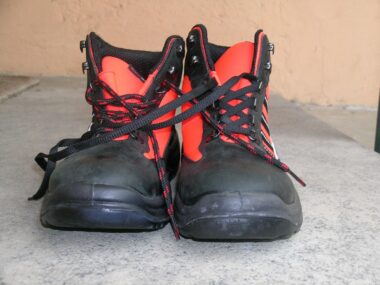
One common injury in parkour is a sprained ankle, occurring when the ankle rolls, twists, or turns in an awkward way. Symptoms often include swelling, pain, and limited range of motion. To treat a sprained ankle, first, apply the RICE method: Rest, Ice, Compression, and Elevation. Take a break from training to prevent further damage. Ice reduces swelling and helps with pain management; wrap an ice pack in cloth and apply it for 15-20 minutes. Compression can be achieved using an elastic bandage that might support the injured area. Elevate the ankle above the heart level when resting to minimize swelling. It’s essential to avoid putting weight on the injured ankle until recovery is well underway. Gradual strengthening and mobility exercises, recommended by a physiotherapist, can help restore full function. Additionally, wearing supportive footwear while training can help reduce the likelihood of similar injuries in the future. Always listen to your body and prioritize recovery to return safely to your parkour practice. Recognizing these symptoms early is key to a swift recovery.
Another common injury faced by parkour practitioners is a tendon strain, particularly in the knees or ankles. This occurs due to overstretching or overuse, resulting in inflammation and pain. Symptoms may include swelling, tenderness, and difficulty moving the affected joint. Rest is crucial in the initial stages of recovery, allowing time for the tendon to heal. Employing the RICE method is advisable, as mentioned earlier, along with non-steroidal anti-inflammatory drugs (NSAIDs) to alleviate pain. It’s important to gradually return to activity, starting with low-impact exercises. Focusing on building strength and flexibility can help strengthen your tendons and prevent future injuries. As such, incorporating cross-training exercises like swimming or cycling can prove beneficial. Also, prior to intense parkour sessions, never underestimate pre-stretching routines to prepare muscles and tendons adequately. Additionally, engaging a professional trainer for advice on progressive training plans can facilitate safe practices while minimizing injury risks. Prioritize maintaining proper form during movements to protect against strains. An awareness of how to recognize and respond to these injuries will empower you to train safely.
Understanding Bruises and Their Treatment
Bruises, another injury type, frequently occur in parkour due to falls or impacts while landing. They can appear as a dark, discolored area on the skin indicating damage to blood vessels beneath. Initially, bruises may be painful and tender, but they generally heal on their own without requiring extensive treatment. However, it’s still essential to monitor the bruised area for any changes, such as increased swelling or severe pain. Applying ice packs for 15-20 minutes can help reduce swelling initially. Over time, if the bruise becomes painful, gentle massage while avoiding the direct site may help promote healing. Resting the affected area and limiting movement can also facilitate recovery. Most bruises will fully heal within two to four weeks. To prevent bruises during practice, ensure a proper warm-up and training to improve landing techniques. Engage in body awareness exercises, which increase familiarity with your limits and surroundings. Navigating with care creates a significant difference in reducing the likelihood of bruising. Understanding these insights enhances not only your safety but also your overall parkour experience.
Fractures, although more severe, can occur in parkour due to falls or high-impact landings. Symptoms often include intense pain, swelling, bruising, and an inability to use the affected limb. Fractures require immediate medical attention to assess the severity and guide appropriate treatment. If a fracture is suspected, immobilizing the injured area by using splints or sling is vital until reaching medical help. While waiting, applying ice can help manage swelling, and elevating the limb might lessen discomfort. Once seen by a healthcare professional, a diagnosis can be made through physical examination or imaging tests. Treatment can range from a cast for minor fractures to surgical intervention for more complex cases. Proper rehabilitation is crucial for full recovery. It can take several weeks or months depending on the severity of the fracture. Always consult your healthcare provider before returning to parkour practice following a fracture to establish a safe return plan. Recognizing the symptoms and understanding how to act promptly can make a significant difference in outcomes. Safety is crucial when participating in parkour, so be informed on preventing these injuries.
Recognizing Other Injuries
Cuts and abrasions are lesser, yet still common injuries faced by parkour enthusiasts. These injuries often result from falls on rough surfaces or contact with obstacles. While they might seem minor, vigilance is essential to prevent infections. It’s crucial to immediately clean any cuts or abrasions with soap and water, ensuring safe practice habits by applying antiseptic and covering them with a sterile bandage. By being attentive, minor injuries can be quickly dealt with before they lead to further complications. In terms of prevention, wearing protective clothing or pads during training sessions may lessen the chances of skin injuries occurring. Practicing on softer surfaces can also significantly minimize the risk of cuts. Establishing a solid pre-training warm-up routine can contribute further to overall safety. Given that parkour involves a variety of movements, being cautious and alert to surroundings can prevent not only skin abrasions but severe injuries. Always be prepared and equipped for training while accounting for environmental factors in your surroundings. Ensuring safety during parkour practice enables athletes to enjoy their sport while reducing risks.
In conclusion, the importance of recognizing and responding to injuries cannot be underestimated in parkour practice. Comprehensive awareness of injury types, symptoms, and appropriate responses ensures that enthusiasts can safeguard themselves while enjoying the sport. Always prioritize a proper warm-up routine, build physical capacity gradually, and employ well-established techniques to ensure that injury risks are minimized. Do not hesitate to seek assistance from experienced coaches to refine techniques and learn injury prevention strategies. Becoming knowledgeable about the body’s limits and how to respond effectively can significantly improve your overall parkour journey. Whenever an injury does occur, remember that prompt and informed responses can lead to quicker recoveries. Stay dedicated to safety measures and responsible practices, as a safer approach leads to enhanced enjoyment and progress. Always strive for a balanced training routine and engage with the parkour community for support and resources. This continuous learning process about parkour, injury management, and safety measures builds a foundation for long-term participation. It is essential to consistently reflect on personal improvement and growth, while remaining aware of injury recognition and response protocols.
Ultimately, understanding how to recognize and effectively respond to common parkour injuries is vital for maintaining health and safety within the sport. Not every injury can be avoided; however, being educated about the risks involved helps in minimizing their impact. This knowledge allows athletes to train effectively while safeguarding themselves during practice sessions. Engaging with qualified coaches, participating in safety workshops, and connecting with fellow parkour practitioners can also contribute to ongoing education on injury prevention and treatment practices. Furthermore, always remember the significance of listening to your body’s signals and respecting its limitations. Such awareness can be the difference between a successful session and a troublesome injury. Some may even find it helpful to journal their progress, documenting experiences and noting times they sustained injuries or overcame challenges. This habit can provide insight into patterns that may emerge over time, permitting adaptation for continuous improvements. Remember, your ultimate goal is to embrace parkour positively and safely. Each step towards improving your skills should always consider your well-being. Eager and informed participants will enjoy long-term benefits from their dedication to safety in parkour.