
Incorporating Electrolyte Supplements into Your Pre-Workout Routine
Pursuing a fitness goal requires more than just determination; it involves careful planning, especially concerning hydration strategies. Electrolyte supplements play a pivotal role in sustaining fluid balance and supporting optimal physical performance. Before diving into the technical aspects, understanding the essential electrolytes—sodium, potassium, magnesium, and calcium—is crucial. These minerals help regulate nerve functions, muscle contractions, and hydration levels. When consumed regularly, electrolyte supplements can empower individuals to exercise efficiently. The right balance aids in avoiding cramps and fatigue, enhancing overall workout quality. Additionally, circumstances such as a high workout intensity or heat exposure can amplify electrolyte depletion, warranting supplementation. Engaging in a solid pre-workout hydration strategy means consuming these supplements alongside water or sports drinks, ensuring that the body is primed for the demands ahead. Ultimately, integrating electrolyte supplements into a pre-workout routine fosters endurance, vitality, and recovery, all essential for achieving long-term fitness success. Fitness enthusiasts should prioritize their hydration due to the diverse benefits offered by electrolytes. This ensures they reach their potential and pursue their passion without unnecessary hindrances.
The Importance of Hydration
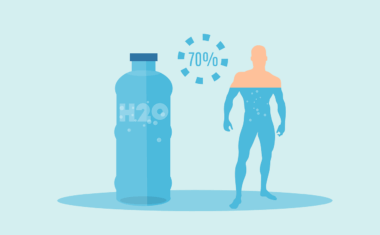
Hydration is a cornerstone of athletic performance and overall health. According to various studies, staying properly hydrated can enhance endurance, improve strength, and even bolster cognitive function while exercising. When the body is dehydrated, physical performance can decline rapidly. Dehydration can lead to increased heart rate, decreased coordination, and the risk of heat-related illnesses. In a workout setting, losing just 2% of body weight in water can impair performance noticeably. Thus, not only is hydration essential, but it should also be a strategic part of any pre-workout regimen. Electrolyte supplements complement hydration efforts by replenishing lost minerals. For athletes and individuals engaging in intense workouts, using electrolyte supplements before exercise prepares the body. It’s crucial to consider individual needs; for instance, those who sweat heavily may require more sodium or potassium. Ensuring these replenishments allows for better muscle functioning and reduced cramping. Therefore, prioritizing hydration strategies is vital. Individuals should consider their exercise type, duration, and environment to tailor their intake effectively, taking into account temperature and humidity levels, which affect fluid losses during workouts.
Understanding the optimal timing for electrolyte supplementation can significantly enhance workout performance. Engaging in pre-workout hydration strategies ideally begins 1-2 hours before exercise. This timeframe provides the necessary absorption period for electrolytes to integrate into the body’s systems. A well-planned approach considers not just immediate hydration needs but also the duration and intensity of the workout. Individuals should test different times and combinations to find what works best for their bodies. Many choose to blend electrolyte powders into their pre-workout beverages or consume ready-made electrolyte drinks. It’s worth noting that taste preferences can influence hydration strategies. Lighter flavors may encourage consumption, while overly sweet or salty drinks might deter individuals from regularly drinking them. A variety of products are on the market, from tablets to flavored powders and drinks. Ultimately, employing the right electrolyte strategy pre-workout helps improve endurance and mental clarity during workouts. This preparation allows athletes to focus on their performance without being hindered by dehydration issues. Such practices pave the way for achieving personal fitness goals more effectively and sustainably.
Choosing the Right Electrolyte Supplement
Not all electrolyte supplements are created equal; thus, selection involves careful consideration of ingredients and personal needs. When sourcing electrolytes, individuals should look for supplements containing a well-balanced mix of sodium, potassium, magnesium, and calcium. Natural options are generally preferred over artificial choices. When reading labels, consumers should seek products free from excessive sugars or artificial additives, as these can adversely affect hydration levels. The proper ratio of electrolytes should resemble the levels typically lost in sweat. Some brands tailor their formulations to specific sports or conditions, which can direct purchasing decisions. It’s beneficial for individuals to experiment with different products to find the best match for their unique needs, including taste and absorption rates. Consumers must also consider their dietary restrictions, such as lactose intolerance or gluten sensitivity. The format—whether powder, tablet, or liquid—should also suit personal preferences and lifestyles, facilitating regular intake. The goal is to find an effective, enjoyable supplement that is incorporated seamlessly into a pre-workout routine, ensuring hydration support is consistently achieved.
Electrolyte supplementation can become an effective habit when approached with careful preparation. Many fitness enthusiasts find that developing a personalized electrolyte protocol enhances their workout experience. This preparation isn’t just about consuming supplements but encompasses a holistic approach. Individuals should consider long-term hydration practices, including maintaining hydration levels throughout the day. Carrying a reusable water bottle ensures constant reminder and access. Additionally, consuming whole foods that are rich in electrolytes, such as bananas, oranges, and leafy greens, can act as natural supplements. Building a routine around both electronic and food sources helps reinforce the body’s adaptive strategies. Moreover, knowing when to adjust electrolyte intake—such as during hot months or intense training regimes—contributes to consistent performance optimization. The inclusion of electrolytes should evolve based on overall fitness goals and objectives. Encouraging awareness of personal hydration needs sets the stage for successful routines, improving not just performance but overall health and wellness. Taking ownership of hydration can lead to enhanced endurance and recovery, ensuring that fitness enthusiasts can push their limits and reach their personal milestones over time.
Pre-Workout Preparation Tips
Maximizing workout efficiency via pre-workout hydration involves practical preparation tips. First, individuals should establish specific hydration goals based on their activity level and environmental conditions. Knowing your baseline hydration needs can greatly influence electrolyte intake requirements. It’s also essential to plan pre-workout nutrition, considering meals or snacks that support energy and hydration. Including foods that have high water content can function as an excellent addition—a combination of hydration and nutrition. Scheduling workouts in accordance with hydration strategies guides proper timing for intake. Individuals should account for personal preferences while reviewing scheduled hydration methods—they might prefer pre-mixed drinks, electrolyte tablets to dissolve in water, or powder mixtures. Additionally, timing is critical; aiming to hydrate roughly 30 to 60 minutes before workouts optimizes absorption. Keeping track through a hydration log can help fine-tune intake levels and identify patterns. Experimentation over several weeks might reveal what works best, thus adapting hydration strategies based on personal responses. Overall, dedicating time to prep ensures a solid foundation for every workout session designed to enhance performance and results.
Incorporating electrolyte supplements into a pre-workout routine undeniably supports better performance and recovery. However, individual experiences vary, underscoring the necessity of personal experimentation. Athletes and fitness lovers need to discern what strategies yield the best results, whether through distinct products, intake timing, or supplementary hydration practices. Engaging effectively with an electrolyte regimen evolves with workout trends and advancements in sports nutrition. As more research unveils the intricacies of hydration science, individuals can refine their approaches continuously. Community support from fitness groups can offer shared insights promoting compliance and motivation. Moreover, consulting health professionals or nutritionists provides tailored recommendations that align with fitness goals and needs, ensuring a seamless transition into healthier practices. Awareness and adaptation are vital qualities that ensure success in this journey. Finally, while supplements play a role, they must be part of a larger lifestyle and nutritional strategy that encourages balanced hydration. This holistic approach ultimately enables athletes and enthusiasts to not only perform better but enjoy their fitness journey. By committing to these principles, individuals reinforce their hydration strategies for lasting wellness and performance outcomes.
Conclusion
In conclusion, the benefits of electrolyte supplements are manifold, particularly when incorporated effectively within a pre-workout regimen. Emphasizing hydration strategies aligns with achieving overall health and performance goals. Individuals new to this approach should initially research various products, understand their specific hydration needs, and refine their consumption methods based on personal experiences. Consistency is key to fostering a successful hydration system that empowers better performance. By remaining attuned to one’s body and adjusting strategies accordingly, fitness enthusiasts can optimize their hydration, reduce the risk of dehydration, and push their physical limits. Remember, what works for one individual might differ for another, emphasizing the need for personalization in hydration strategies. Think of hydration as a continuous journey, evolving with workout routines, seasonal changes, and personal goals in mind. This adaptable and mindful approach ensures that electrolytes contribute significantly to enhancing workout effectiveness and promoting recovery. Ultimately, engaging with hydration strategies positions individuals to achieve their health aspirations and champion their fitness endeavors, sustaining momentum in their journey toward better wellness and athletic success.