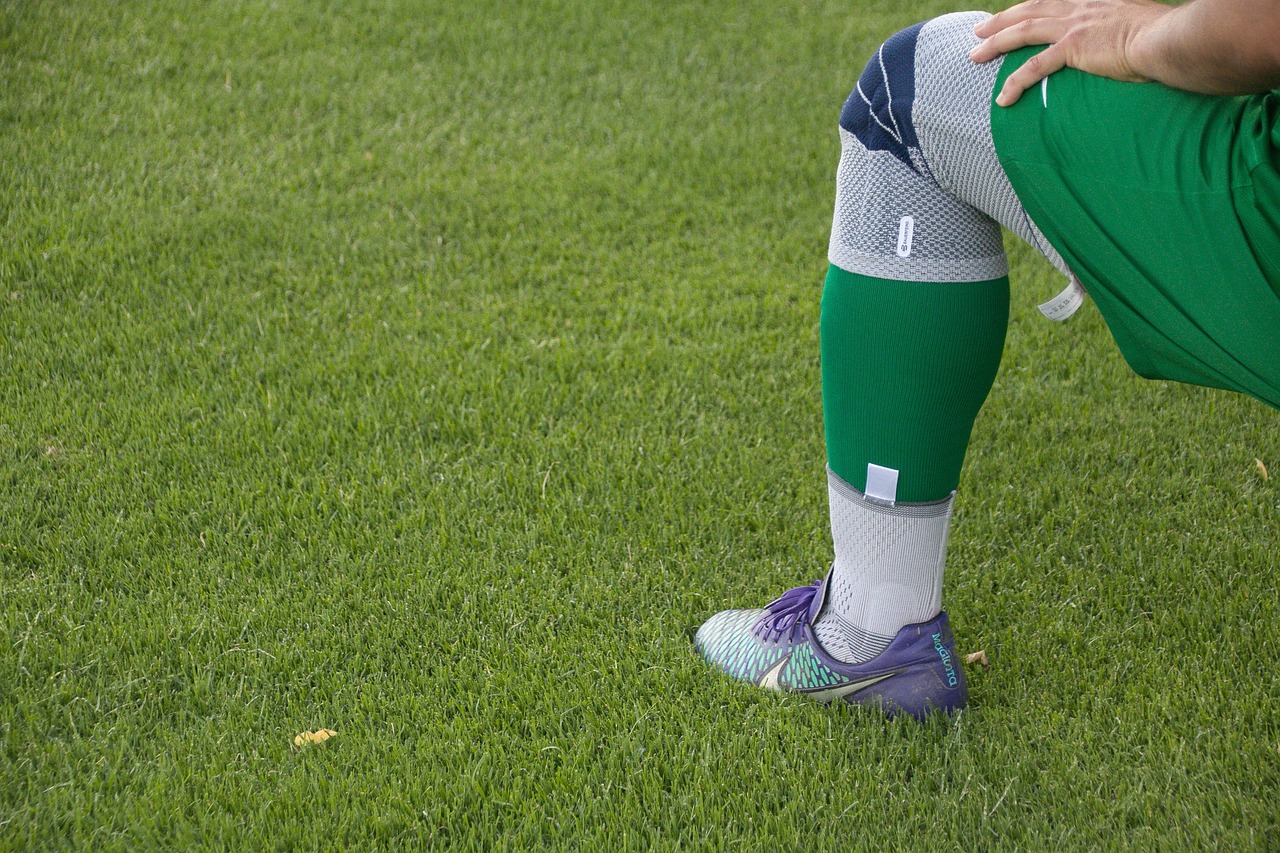

Integrating Biomechanical Data into Personalized Injury Prevention Plans
Biomechanics is a crucial field that offers insights into how the human body moves. By understanding these mechanics, we can design personalized injury prevention strategies. Athletes often face varying physical demands that can lead to injuries. The integration of biomechanical data plays a pivotal role in identifying risk factors associated with sports-related injuries. Biomechanical assessments help coaches and trainers monitor athletes’ movements, providing objective data to inform training regimens. Utilizing wearable technology, real-time biomechanical data provides athletes and trainers with critical insights into motion patterns. This data facilitates the early detection of potential problems before injury happens. Customized injury prevention plans can be developed based on this information. These plans consider individual biomechanics, identifying specific areas of weakness or imbalance. Incorporating feedback from these assessments improves performance significantly while reducing injury rates. Overall, a proactive approach to injury prevention, informed by biomechanical data, can enhance athlete well-being and longevity in sports. Athletes equipped with personalized interventions can engage in their sports with confidence, knowing that measures are in place to mitigate injury risks effectively. The subsequent sections will explore how this data can revolutionize athlete training and rehabilitation.
Understanding Biomechanical Measurements
Biomechanical measurements are essential for creating effective injury prevention plans. These measurements can include gait analysis, joint angles, and ground reaction forces. By analyzing these parameters, we can better understand the stress athletes place on their bodies during various activities. Moreover, such assessments provide insights into how an athlete’s technique may predispose them to injuries. For example, improper running form can lead to strain on joints and connective tissues, increasing injury likelihood. Technologies like motion capture and force plates can deliver precise data needed for analysis. Integrating these measurements into training programs ensures athletes perform movements safely and efficiently. By focusing on anatomical alignment and mechanics, we can adjust training to better suit individual needs, ultimately reducing injury risk. Furthermore, feedback loops established through measurement data can enhance training regimens. Physio-therapists and trainers can collaborate effectively, deploying biomechanical data to optimize recovery strategies. By establishing baseline measurements, progress can be tracked, ensuring that the athlete is on the right path. All these considerations effectively enhance the athlete’s overall performance while minimizing the chances of injury through informed decisions.
Another important aspect of utilizing biomechanical data is the emphasis on individualization. Every athlete has unique movement patterns shaped by their biomechanics. Factors such as age, body shape, and training history influence these personalized patterns. By systematically analyzing these factors, we can tailor injury prevention strategies to fit the individual. This individuality increases the effectiveness of the intervention by targeting specific risks associated with their biomechanics. Also, understanding injury history plays a critical role. Different activities can place distinct stresses on the musculoskeletal system, leading to various types of injuries. Incorporating historical data allows professionals to design a plan that minimizes risks associated with previous injuries. However, these injury prevention plans require consistent adjustments based on ongoing biomechanical assessments. As an athlete progresses through different training phases, their needs will change. Therefore, continuous monitoring is essential to maintain effectiveness and avoid injuries that may arise from updated performance demands. Through this strategy, athletes can achieve their fullest potential without suffering from setbacks due to injuries. The next steps in deploying such data-driven approaches involve embracing technology and research insights to optimize athlete care.
Collaboration Among Professionals
For effective injury prevention, collaboration among various health and fitness professionals is essential. Coaches, trainers, sports scientists, and physiotherapists should all have complementary roles in this process. Each professional brings valuable insight regarding biomechanics and athlete behavior. Regular communication ensures that everyone is aligned with the athlete’s training and injury prevention needs. Furthermore, hosting interdisciplinary workshops can facilitate knowledge sharing. These workshops can empower professionals to interpret biomechanical data correctly and make informed decisions about training plans. This teamwork allows for formatted communication of findings from biomechanical measurements into actionable strategies. Additionally, a team of varied experts can create a holistic view of an athlete’s performance by compiling insights individually. Such collaboration will enhance individual assessments and foster a culture of safety and prevention. Ultimately, when professionals combine their expertise, it leads to greater success for the athlete. This collective effort will hold significant importance as sports science continues to evolve and integrate new technologies. Moreover, it creates a supportive environment for athletes, focusing on their health and performance as a primary goal. In summary, a collaborative approach is vital for effective injury prevention strategies.
Technology is playing an increasingly important role in the integration of biomechanical data into injury prevention plans. Wearable devices are now routinely used to collect real-time data during training sessions. These devices track various metrics, including heart rate, distance, and biomechanical parameters, offering a comprehensive view of an athlete’s performance. The data collected can be analyzed to readily identify anomalies in technique that may predispose athletes to injury. Coaches can employ applications that visualize this data, making it easier to share insights with the athlete. Adopting wearable technology leads to immediate feedback, allowing for quick adjustments in training. Additionally, cloud-based platforms facilitate data storage and sharing among professionals. Athletes can benefit from longitudinal data trends rather than relying solely on initial assessments. Such ongoing monitoring can catch potential risk factors early, making preventive training adjustments. Furthermore, advancements in machine learning algorithms can help predict injuries based on biomechanical data trends. These predictive analyses can guide training adjustments effectively. Each refinement enhances performance while concurrently minimizing risks. Thus, technology not only aids in assessment but can also revolutionize how injury prevention strategies are developed for athletes in various sports.
The Future of Biomechanical Insights
Looking ahead, the future of injury prevention through biomechanical data is promising. As technology advances, the accuracy and accessibility of biomechanical analysis will improve. This evolution means that even amateur athletes could harness the same insights that elite athletes currently benefit from. With improved algorithms and machine learning, predicting injury risk will become increasingly precise. Moreover, emerging technologies, such as virtual reality, may offer enhanced ways to simulate and analyze movements under various conditions. This could provide invaluable data regarding how different techniques affect injury risk. Furthermore, data from diverse populations will enrich our understanding of biomechanics across various demographics. This broader data set could lead to more universally applicable injury prevention measures. The drive towards personalized training plans will increase, focusing on individual needs based on empirically derived data. Coalescing insights from biomechanics and athlete motivation could further create comprehensive plans that maximize performance sustainably and safely. Collectively, these advancements will shape an evolving landscape where athlete health and performance are integrated seamlessly. Such synergy will ensure that athletes reach higher competitive levels without neglecting their physical well-being.
In conclusion, integrating biomechanical data into personalized injury prevention plans holds transformative potential for athletes. By understanding the nuances of biomechanics, professionals can create tailored intervention strategies that significantly reduce injury risks. Utilizing comprehensive assessments, continuous monitoring, and interdisciplinary collaboration fosters an environment conducive to athlete health and recovery. The influence of technology serves as a catalyst, empowering athletes and coaches through real-time data analysis. This data not only informs training practices but also enhances overall performance. Injuries can compromise an athlete’s journey, but with targeted strategies, the frequency and severity of such setbacks can be mitigated. As we embrace advancements in sports science and biomechanics, we pave the way for athletes to thrive sustainably in their respective sports. Future innovations promise to refine and revolutionize injury prevention practices. Hence, the commitment to research and the integration of emerging technologies will be essential. Through this journey, a new era of athlete care, backed by biomechanical insights, is on the horizon. The awareness cultivated through understanding biomechanics can tremendously impact the sports community, fostering a culture of proactive health practices among all athletes.