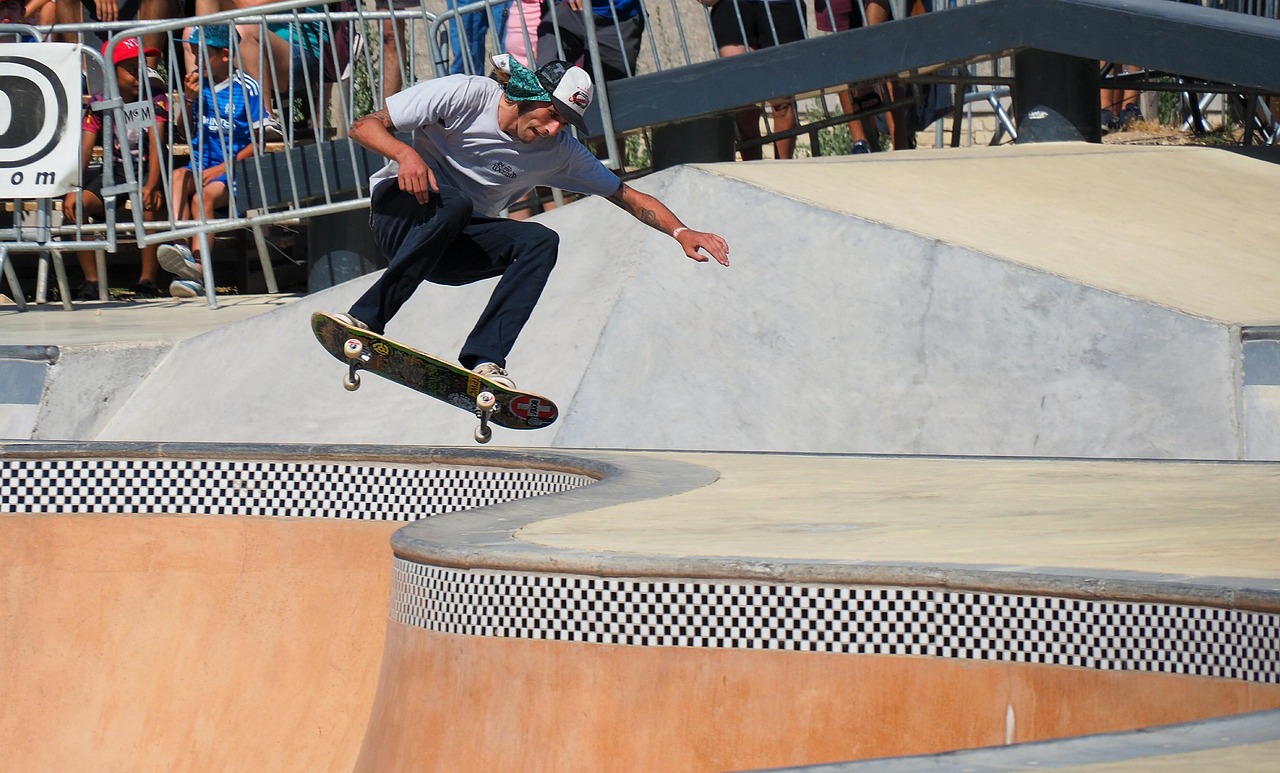

Introduction to Skateboarding Competitions and Events
Skateboarding has grown immensely over the years, transforming from a pastime into a thrilling competitive sport. Competitions hold significant importance, shaping the careers of many athletes. Events provide a platform for skaters to showcase their skills, pushing the limits of creativity, style, and technique. Skateboarding competitions typically consist of various formats, including street and park events, each with unique challenges and obstacles. Street events often feature railings, ledges, and steps, while park competitions test skaters on transitions and ramps. The thrill of competition not only garners attention but fosters a sense of community among skaters. Through these experiences, friendships are formed and talent is nurtured within this vibrant culture. Additionally, the artistic nature of skateboarding events captivates spectators, making these competitions exciting for audiences worldwide. Watching the athletes perform jaw-dropping tricks while expressing their personality through their style adds to the allure of competitions. The blend of athleticism and artistry truly defines the essence of skateboarding events. As the sport continues to evolve, it also attracts new skaters eager to leave their mark on the competitive scene.
Types of Skateboarding Competitions
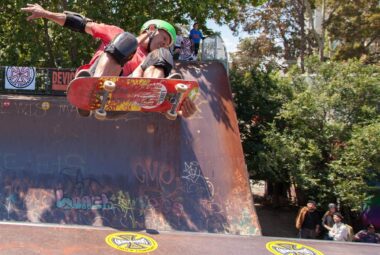
Various types of skateboarding competitions cater to different styles, abilities, and preferences. Knowing these can help aspiring competitors choose the right event. Street competitions are renowned for their challenging urban-like setups. Athletes must navigate through various features, including railings, staircases, and ledges, all while impressing judges with their skill and creativity. Alternatively, park competitions take place in specially-designed skateparks, emphasizing the use of bowls and ramps. Here, skaters perform tricks and maneuvers that require both speed and style. Additionally, there are vert competitions, showcasing athletes performing aerial tricks on vertical ramps. These events demand precise timing and immense skill due to the heights involved. Another popular format is the freestyle competition, focusing on technical tricks and manipulation of the skateboard. The diversity among competition types allows skaters to find their niche and excel. Other regional and informal contests create grassroots opportunities that promote talent and engage local communities. Skateboarding competitions are adaptable, encouraging innovation in formats and providing amateurs a chance to shine alongside professionals. With so many options, skaters of every background can participate, enriching the sporting community significantly.
Preparation for competitions is vital for success, and many athletes focus on various aspects of training to enhance their performance. Just like any sport, physical fitness plays a crucial role in skateboarding. Competitors engage in strength training, flexibility exercises, and balance drills to improve mobility and control on the skateboard. Mental preparation is equally important, as skaters must stay focused and confident when faced with high-pressure situations. Visualization techniques can help skaters mentally rehearse their tricks, enabling them to execute with precision. Creating a routine that combines practice runs and intense workouts significantly contributes to overall performance. Nutrition also plays a crucial role, ensuring competitors maintain stamina and energy levels. Adequate rest and recovery are essential, allowing time for muscles to heal after rigorous training. Skaters often seek the advice of seasoned competitors or coaches to refine their skills and techniques. Teaming up with fellow athletes to share tips and training experiences can foster growth and motivate each other. In the end, a combination of physical, mental, and nutritional aspects collectively improves a skater’s chances of achieving their desired results in competitions.
Cultural Impact of Skateboarding Events
Skateboarding competitions significantly impact youth culture and promote community values within and beyond the sport. By organizing events in urban spaces, skateboarding’s outreach extends to various audiences, regardless of their backgrounds. They create an inclusive atmosphere, welcoming individuals to engage with skateboarding irrespective of their skill levels. These events foster camaraderie, connecting skaters, fans, and even families in celebration of creativity and talent. Additionally, competitions serve as platforms for promoting social issues like inclusivity, mental health awareness, and environmental sustainability, showcasing skateboarding as a multifaceted culture. Furthermore, the artistic elements, such as music, art, and graffiti, often intertwine with skateboarding events, enriching the overall experience. Many competitions also feature local artists, musicians, and vendors, forming a vibrant marketplace that benefits various community sectors. As a result, participants and spectators alike can forge connections that transcend skateboarding. Lastly, skateboarding competitions often generate promotional opportunities for athletes and brands, introducing sponsors and expanding platforms for skaters to showcase their talents. Ultimately, the cultural impact of skateboarding events resonates broadly, extending far beyond the sport itself and positively influencing communities.
Judging in skateboarding competitions relies on complex criteria that assess skill, creativity, and originality. Officials, often experienced skaters themselves, score performances based on various factors. These include the difficulty and execution of tricks, overall flow of the run, and a skater’s style. The utmost goal is to find a balance between technical proficiency and artistic expression, which can be subjectively evaluated. Points are awarded based on the execution of individual tricks, transitions between maneuvers, and the overall composition of the performance. Innovative tricks performed with style may garner higher scores compared to basic maneuvers, making creativity essential in competitions. Judges compile scores throughout the event to determine ranking among participants. Although homogenous criteria exist, judging can still be influenced by personal preferences. This subjectivity can lead to controversy and debates regarding fairness in competitions. Consequently, skaters often advocate for improved transparency and consistency in scoring. In addition, some competitions employ ghost rounds or crowd votes to refine outcomes and reduce biases. As the skateboarding community continues to evolve, so do the standards and practices of judging, aiming to ensure fair and accurate representation of talent in competitions.
Major Skateboarding Competitions Around the World
Several renowned skateboarding competitions have gained global recognition, attracting world-class talent and passionate fans alike. The X Games is one of the most prestigious events in extreme sports hosted annually, showcasing the best in skateboarding, BMX, and more. Athletes compete in various formats, including street and park competitions, demonstrating their skills before large audiences. Another prominent competition is the Street League Skateboarding (SLS) series, providing a platform for street skaters to showcase their talents. The SLS not only contributes to professional growth but promotes the sport to new audiences. The Vans Park Series also emphasizes park-style skateboarding and has gained traction globally, allowing skaters to express their creativity through unique park layouts. Additionally, Olympic skateboarding events since Tokyo 2020, have increased visibility for the sport, introducing skateboarding to an even broader audience. Local competitions and grassroots events are essential for nurturing emerging talent, providing them with opportunities to shine. These major competitions highlight the passion, style, and dedication of skateboarders worldwide while inspiring future generations to pursue the sport.
Attending skateboarding competitions is an exhilarating experience, whether for fans, families, or aspiring athletes looking to gain insights. The thrilling atmosphere filled with excitement and adrenaline creates a unique environment for all enthusiasts. Spectators can witness awe-inspiring performances by their favorite athletes performing jaw-dropping tricks and unique styles. Event organizers often provide ample entertainment, including music, art installations, and food vendors, creating a festive ambience that transcends just the sport. Attending competitions also offers learning opportunities, inspiring young skaters to improve their skills and connect with like-minded individuals. Interacting with seasoned pros and observing their techniques can provide aspiring skaters with valuable insights into performance and preparation. Additionally, competitions often recognize the importance of inclusivity and provide spaces for both amateur and professional levels. Community engagement during skateboarding events creates a strong bond among attendees, emphasizing unity around personal passions. Furthermore, witnessing competitors’ journeys fosters encouragement within the skating culture, building relationships lasting beyond the event itself. The overall experience at skateboarding competitions is about celebrating skateboarding while uniting enthusiasts through their shared love for the sport.
In conclusion, skateboarding competitions and events are vital elements within the skateboarding culture, celebrating talent, creativity, and community spirit. These gatherings offer opportunities for both competitive and recreational expression through various formats, ranging from street contests to global championships. Participants can cultivate their skills while sharing experiences and forming connections with fellow athletes and fans. The cultural impact of skateboarding events extends far beyond the sport itself, promoting inclusivity, creativity, and social awareness. Judging practices develop alongside the sport, ensuring fairness while navigating the complexities of subjective evaluation. The future of skateboarding competitions looks promising, as major events continue to evolve and engage new audiences. Especially with the inclusion of skateboarding in the Olympics, visibility has surged, inspiring younger generations to pursue their passion within the sport. With a dynamic community united by artistry and dedication, skateboarding competitions will remain pivotal to the sport’s ongoing progress. As skaters push boundaries and redefine limits in their performances, the spirit of skateboarding thrives, continually encouraging the exploration of new possibilities. Thus, the legacy of skateboarding competitions will undoubtedly continue to inspire future talents, ensuring the sport’s longevity and thriving community remains vibrant.