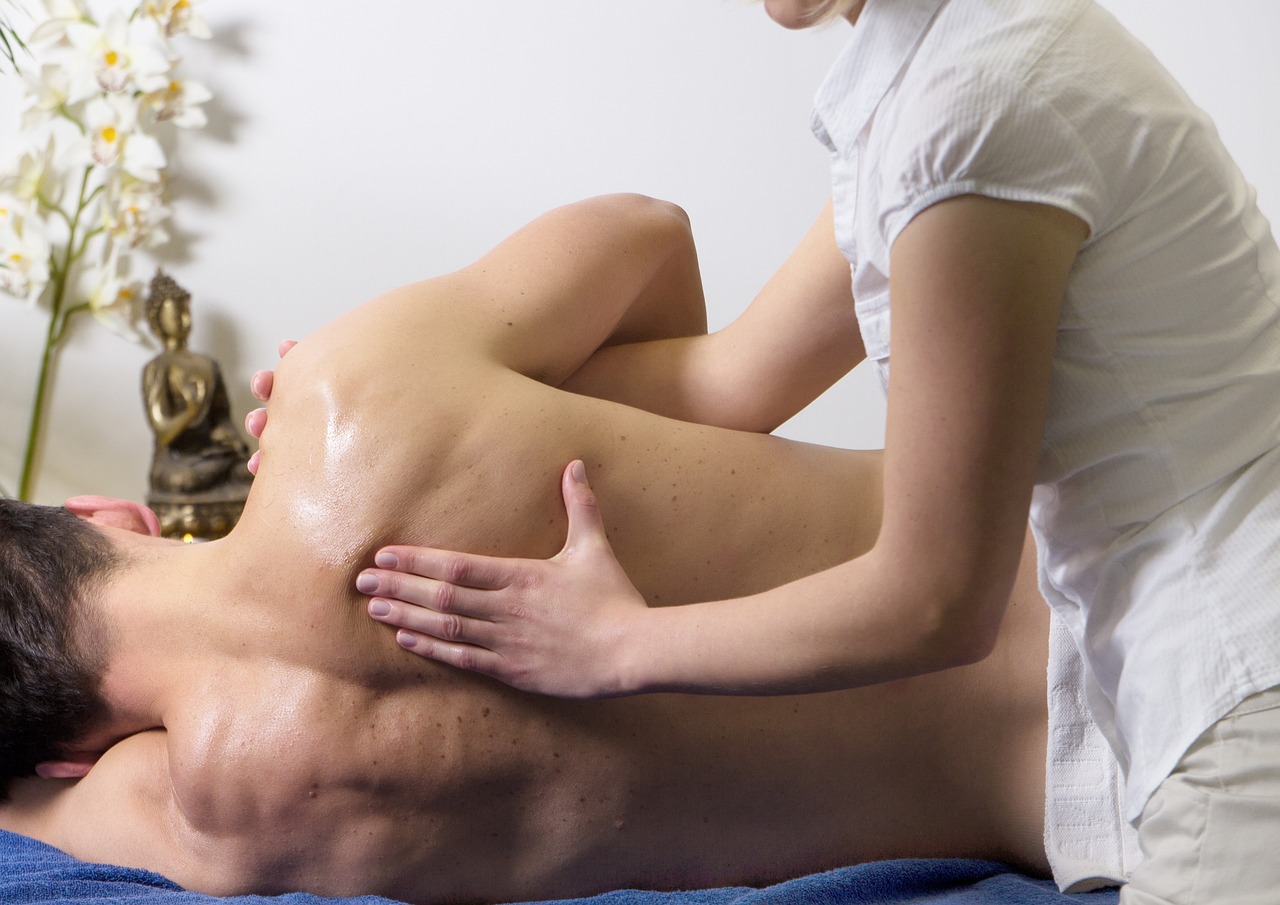

Sports Massage for Football: Preventing Muscle Fatigue
Football is a physically demanding sport that places tremendous stress on players’ bodies, particularly their muscles. To maintain performance levels and prevent fatigue, sports massage techniques have emerged as essential tools in a footballer’s training routine. These specialized techniques help to alleviate soreness, improve recovery times, and enhance overall flexibility. Furthermore, sports massage can stimulate blood circulation, ensuring muscles receive proper nourishment and oxygen. Regular treatments can keep the body functioning optimally, allowing players to perform at their best during intense matches by reducing the risk of injury. Incorporating these practices into training not only helps mitigate muscle fatigue but also creates a sense of overall well-being. Furthermore, utilizing these techniques before or after training sessions can lead to fewer injuries. By establishing a consistent sports massage routine, athletes can effectively bolster their resilience against fatigue and maintain peak performance levels throughout the season. As competitive football continues to evolve, integrating sports massage into an athlete’s regimen has become increasingly vital to achieving success.
Sports massage techniques specifically tailored for football players focus on various aspects of muscle recovery. The application of deep tissue massage, for instance, can target stubborn knots and tension that affect mobility. Additionally, sport-specific stretching techniques help enhance range of motion and prevent injuries. Practitioners often employ effleurage, petrissage, and friction techniques during sessions to maximize muscle recovery. Effleurage involves smooth, gliding strokes used to warm up the muscles at the start of the massage, while petrissage applies deeper kneading movements to manipulate muscle tissues effectively. Moreover, friction techniques deal with specific muscle groups to help break down adhesions. Regularly using these techniques can decrease muscle fatigue and improve players’ overall performance during games. Furthermore, understanding the biomechanics of a player’s movement patterns ensures targeted and effective treatments. These massages can also contribute to mental relaxation, allowing athletes to unwind and improve focus. As such, sports massage should be considered an indispensable aspect of an athlete’s overall training and recovery program, ultimately leading to better results on the pitch.
The Benefits of Sports Massage
One of the most significant benefits of sports massage is its ability to reduce muscle soreness and fatigue. After a taxing training session, the body often experiences delayed onset muscle soreness or DOMS. This is where sports massage can help significantly. By facilitating the removal of metabolic waste products and enhancing blood flow, massages promote quicker recovery times for athletes. Increased circulation can help prevent fatigue during games. Moreover, sports massages can not only relieve pain but also enhance flexibility and increase the range of motion, aiding in overall athletic performance on the football pitch. In addition to these physical benefits, sports massage can positively affect an athlete’s mental state. The relaxation and time to reflect during a massage can aid in reducing stress and anxiety, allowing players to approach games feeling calm and collected. Overall, integrating sports massage into a football player’s routine offers a holistic approach to physical and mental well-being. This practice empowers players to maintain their competitive edge and enjoy their passion for football while minimizing the risk of injury.
Another key aspect of sports massage techniques is establishing a pre-game routine. Warm-up massages can prepare the muscles beforehand, enhancing blood circulation and ensuring the body is primed for performance. Techniques used before games include lighter strokes and dynamic stretches. The goal is to activate the muscles and warm them up without overstressing them. Implementing these techniques creates body readiness for the demands of competitive play. Additionally, post-game massages play an essential role in recovery by reducing muscle tension, promoting relaxation, and aiding in the cooling-down process. After intense matches, a well-timed post-game massage ensures muscles recover effectively while preventing excessive soreness. By establishing a comprehensive pre and post-game massage routine, teams can optimize player performance and build resilience against muscle fatigue throughout the season. It’s crucial that athletes communicate their needs and preferences during the massage process to ensure tailored treatments. Finding a trusted massage therapist knowledgeable about football can enhance the effectiveness of these sessions.
Choosing the Right Massage Therapist
Finding the right massage therapist is paramount to reaping the full benefits of sports massage techniques. Ideally, the therapist should be well-versed in sports-specific practices, particularly with a focus on football-related needs and injuries. The quality of an athlete’s recovery experience directly correlates with the therapist’s expertise and understanding of common football injuries. Clients should look for certifications or qualifications that indicate specialization in sports massage. Additionally, having a good rapport with the therapist fosters communication and trust throughout sessions, leading to better outcomes. It may also be helpful to seek recommendations from teammates or coaches when searching for an appropriate practitioner. Regular consultations will ensure that the therapeutic techniques align with the athlete’s evolving needs as the season progresses. Consistent follow-ups allow therapists to adapt their methods based on the player’s performance and feedback. As a result, a solid partnership enhances the efficacy of sports massage in alleviating muscle fatigue and promoting optimal recovery.
In integrating sports massage into general football fitness programs, it’s essential to combine it with proper training and nutrition. A well-rounded approach involves strength training, endurance exercises, and sport-specific drills. Supplementing massage sessions with these practices leads to improved overall conditioning. Players benefit from understanding the importance of proper nutrition to fuel their bodies. Adequate hydration and an appropriate diet are critical to maintaining energy levels and optimizing recovery. By combining sports massage with a comprehensive training and nutrition plan, players can build strength and stamina effectively. Furthermore, learning how to manage their bodies through injury prevention strategies complements the role of sports massage. Athletes should adopt a proactive stance toward recovery, thus minimizing the chances of muscle fatigue becoming chronic. This holistic perspective on football fitness yields long-term benefits, as players learn to prioritize their well-being on and off the pitch. Ultimately, adopting integrated practices that emphasize the synergy between massage, training, and nutrition is key to sustained athletic success in football.
Conclusion
Ensuring sports massage is part of a football player’s routine is vital for preventing muscle fatigue and promoting overall fitness. The various techniques tailored for athletes offer a multitude of benefits related to performance, recovery, and mental health. Establishing a solid understanding of the right methods, effective communication with therapists, and integrating massage with training regimens and nutrition is crucial. Players must prioritize this aspect of their training to achieve the best results on the field. Moreover, a comprehensive approach to football fitness emphasizes the importance of recovery in the performance equation. An athlete who embraces sports massage as a fundamental practice is on the path to maintaining consistency and resilience in the demanding world of football. By valuing and investing in recovery techniques like sports massage, players create a foundation for long-lasting success in their careers. Football is a sport that continually evolves, making the commitment to lifelong fitness and recovery more important than ever. Through these approaches, football athletes can ensure they remain at the top of their game throughout their careers.