
The Fundamentals of Powerlifting Techniques for Beginners
Powerlifting is a fascinating sport that emphasizes strength through three primary lifts: the squat, bench press, and deadlift. Each lift is important for building overall body strength and can be crucial for athletes wanting to improve their performance. A solid foundation in the fundamentals of powerlifting techniques is essential for beginners to master these lifts effectively. Ensuring proper form is crucial for maximizing gains while minimizing injury risk. Moreover, learning the right techniques can make a significant difference in performance levels. Beginners are advised to start with lighter weights. Over time, they should gradually increase the load they lift. Incorporating these techniques into regular training can help athletes reach their true potential. It is also beneficial for beginners to seek professional coaching. Working with a coach who specializes in powerlifting ensures not only proper technique but also tailored guidance. This guidance can be particularly significant as they navigate their journey in the sport. Through a structured training program focused on these techniques, beginners can build a solid foundation for strength and performance enhancement.
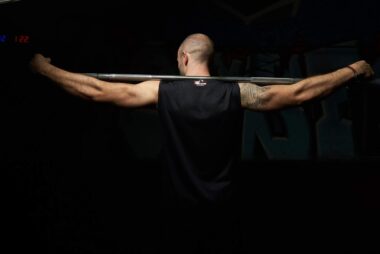
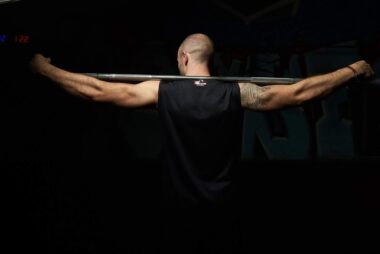
Focusing on the squat technique is paramount for beginners looking to establish a strong base in powerlifting. The squat is a compound movement engaging multiple muscle groups, particularly the quadriceps, hamstrings, and glutes. Proper form is essential; begin by standing shoulder-width apart with the barbell resting across your upper back. As you lower your body, maintain a straight back, keeping the chest up and knees aligned with your toes. This ensures safety and effectiveness while minimizing injury risks. When you hit parallel—where the thighs are parallel to the floor—power through your heels for an explosive ascent. Use light weights during practice to reinforce proper mechanics before progressing. Moreover, it is helpful to film your squats for self-analysis or to receive feedback from a coach. Achieving stability through the squat can dramatically enhance your powerlifting capabilities. Remember that heavy squatting should come after mastering the correct technique. Consistency in training and focus on refining your squat will pay off in your competition results. Beginners often find success in balancing technique sessions with strength-building workouts, creating a comprehensive powerlifting approach.
Mastering the Bench Press
The bench press is another foundational lift in powerlifting that requires attention to technique and form. It effectively builds upper body strength, particularly targeting the pectoral muscles, triceps, and shoulders. For beginners, starting with a proper setup is key. Lie flat on a bench and ensure your feet are planted firmly on the floor. Grip the bar with hands slightly wider than shoulder width; this ensures even distribution of weight across your body. When lowering the bar, keep your elbows tucked towards your body to maintain stability. Your goal is to lower the bar to your chest, creating a controlled movement that engages the intended muscles effectively. Explode upwards to complete the lift, focusing on maintaining a strong core and stable feet throughout the motion. Correct breathing patterns are also essential, inhaling as you lower the bar and exhaling during the push. Regular practice at varying weights encourages muscle memory and growth. As beginners gain experience, they can incorporate variations such as the close-grip bench press to target the triceps more specifically, enhancing overall upper body performance.
Deadlifts complete the triumvirate of powerlifting lifts, playing a crucial role in total body strength development. This lift primarily targets the back, glutes, hamstrings, and overall posterior chain, pivotal for overall athletic performance. To execute a proper deadlift, ensure that your feet are hip-width apart and position the barbell over the mid-foot. Bend at the hips and knees to grasp the bar with an overhand grip or a mixed grip for heavier lifts. Maintain a neutral spine and engaged core throughout the lift to prevent injuries. As you lift, push through your heels, extending your hips and knees simultaneously while keeping the bar close to your body. Lock the hips at the top of the movement and reverse the motion with control. Beginners should utilize lighter weights initially to become comfortable with the mechanics of the lift. Incorporating various deadlift types—such as sumo deadlifts—can diversify training and address different muscle groups. As trainees progress, they can focus on increasing their one-rep max incrementally. This progressive overload is necessary for sustained improvement.
Creating a Balanced Training Program
A balanced training program is essential for beginners seeking to optimize their performance in powerlifting. Incorporating all three lifts is crucial; however, attention must also be given to accessory exercises that enhance muscle development and mitigate injury risks. Developing a comprehensive training plan often involves alternating heavy lifting sessions with lighter, volume-based training focused on technique refinement. For optimal results, it’s beneficial to incorporate exercises such as rows, dips, and lunges that complement the main lifts. Establishing a routine helps in building discipline and commitment to training. Moreover, powerlifting requires rest and recovery to maximize gains. Scheduling rest days is necessary for muscle recovery, allowing time for repair and growth. Nutrition also plays a pivotal role in supporting your training program. Ensuring adequate protein consumption helps in muscle recovery, while complex carbohydrates fuel workouts. Hydration is equally important to maintain performance levels. As you develop your routine, focus on setting measurable goals to track progress. Evaluating performance regularly provides motivation and helps identify areas needing improvement, fostering ongoing growth in the powerlifting journey.
Besides the physical aspect of powerlifting, mental preparation is equally essential for beginners. Mental fortitude and focus can significantly influence performance during lifts. Developing a positive mindset can enhance the overall lifting experience and performance outcomes. Visualization techniques, for instance, are powerful strategies for athletes. Envisioning successful lifts can build confidence and improve familiarity with the required movements before even approaching the bar. Staying relaxed and focused prior to lifting is also critical. Practicing breathing techniques helps calm pre-lift anxiety and improve concentration, allowing lifters to remain in the moment. It’s important to cultivate a supportive training environment, as this fosters camaraderie and boosts motivation levels. Engaging with fellow lifters can offer encouragement, tips, and constructive criticism, positively impacting progress. Establish strong relationships within your training group to create a network of accountability. Tracking progress through journals or apps can also enhance mental engagement with the training. A well-rounded approach, including mental training, creates a holistic powerlifting experience for beginners, ensuring they are ready for challenges both mentally and physically.
Safety Practices and Injury Prevention
Safety practices are paramount in the realm of powerlifting to ensure long-term success and minimize injuries. For beginners, understanding how to lift safely is essential when tackling heavier weights. Always begin with lighter loads to master form before moving to heavier weights. A common practice is to use a spotter during major lifts, especially the bench press, as it can provide immediate assistance and improve safety. Additionally, employing safety racks during squats can prevent accidents if failure occurs. Warming up adequately is crucial before beginning lifting sessions. A proper warm-up can enhance muscle elasticity, reducing injury risks during heavier lifts. Incorporate dynamic stretching or mobility drills for the best results. Cool-down sessions are equally important; they help muscle recovery and reduce stiffness. Regularly assessing your form is beneficial, whether through video analysis or feedback from a coach. If discomfort or pain arises, it’s wise to take a break to assess the situation. Ignoring pain can lead to significant injuries down the road. Adopting a proactive approach to safety allows powerlifters to enjoy a sustainable and rewarding experience.
In conclusion, starting powerlifting requires dedication, patience, and a solid understanding of technique fundamentals. Beginners should focus on mastering the squat, bench press, and deadlift. Incorporating proper techniques and accessory exercises can significantly enhance overall strength and performance levels. Mental preparation is essential, enabling athletes to cultivate discipline and focus during training. Building a well-structured training program enhances the journey, while safety practices ensure a sustainable approach. With consistent effort and the right mindset, beginners in the powerlifting community can experience remarkable growth, unleashing their true potential. Remember, progress may not always be linear, but every lift contributes to learning and improvement. As you navigate your powerlifting journey, seek knowledge from experienced lifters and coaches. Their insights can further elevate your skills and ensure you enjoy the process. In the end, powerlifting is not merely about lifting weights; it’s about developing strength, resilience, and determination.