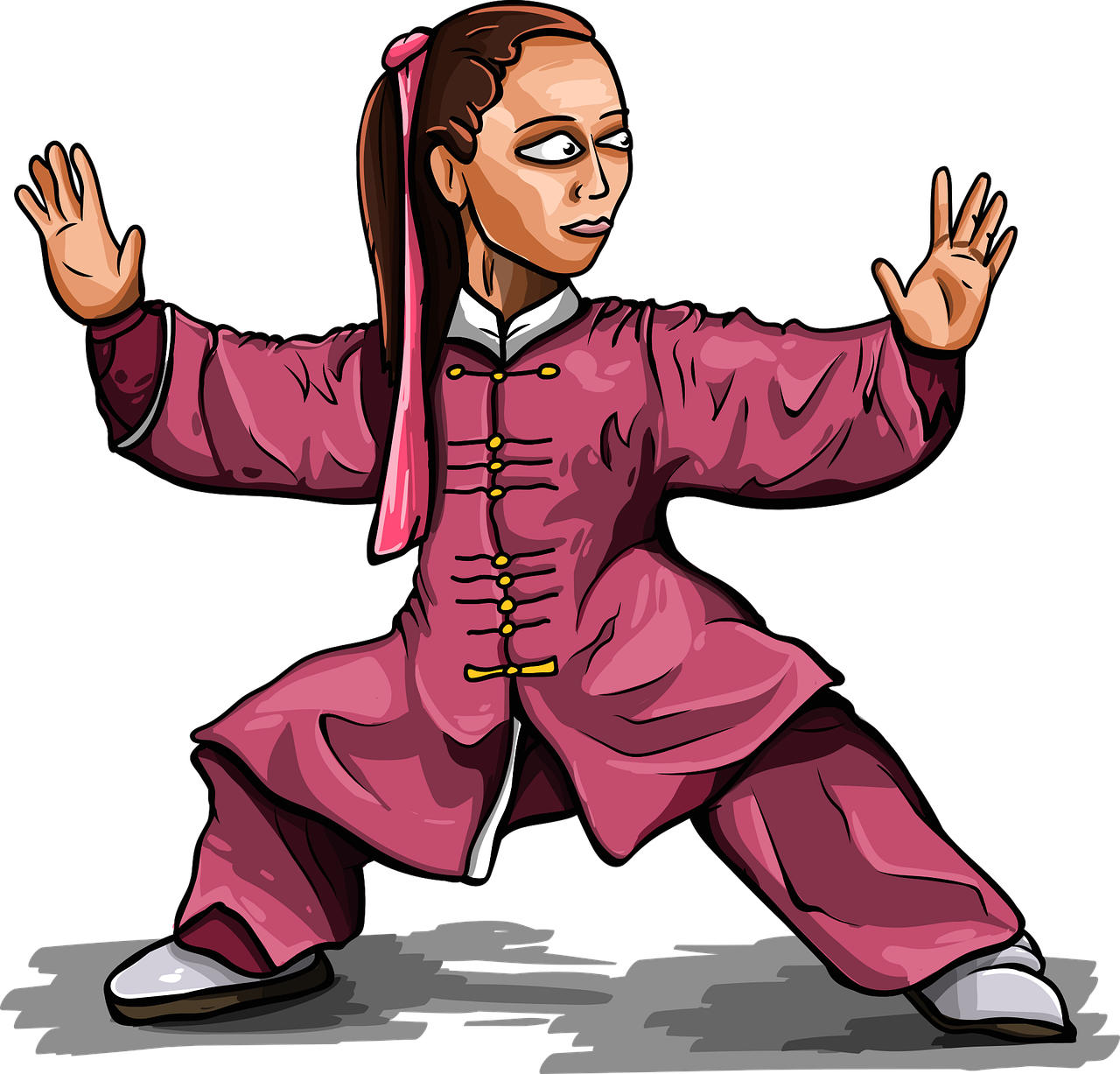

The Science Behind Tai Chi and Balance Enhancement
Tai Chi, an ancient Chinese martial art, is recognized for its profound benefits in enhancing balance and coordination. The slow, deliberate movements and deep breathing practiced in Tai Chi promote mindfulness, helping individuals to connect body and mind. This alignment is essential for developing better control over bodily movements. Several studies have indicated that regular Tai Chi practice can significantly improve postural stability, reduce the risk of falling, and enhance overall physical fitness. Its low-impact nature and focus on continuous motion make it accessible to people of all ages and physical abilities. Tai Chi combines elements of meditation, breathing, and gentle physical exercise, making it a holistic approach to health. This martial art teaches practitioners to move gracefully and maintain their center of balance, which is particularly beneficial for older adults. Furthermore, the meditative aspects of Tai Chi contribute to stress reduction, thereby enabling better concentration on balance techniques. As we delve into the science behind Tai Chi, we uncover how its principles can be harnessed to maintain and even improve balance throughout our lives.
The Mechanisms of Balance Improvement
Balance is a complex physiological function involving multiple systems within the body. Tai Chi specifically addresses these systems through routine practice. The movements help to strengthen lower body muscles, including the legs, hips, and core, which are crucial for maintaining stability. The integration of slow movements enables practitioners to enhance their proprioception, or awareness of body positioning in space. Studies show that engaging in Tai Chi can lead to significant neural adaptations over time, improving vestibular function, and enhancing reaction times. This is particularly beneficial for older adults who may experience a decline in sensory processing capabilities. Additionally, Tai Chi promotes flexibility, which is important for preventing injuries associated with falls. Increased flexibility enhances the range of motion around joints, thus improving balance. Furthermore, the controlled practice of Tai Chi helps to develop both strength and endurance, allowing individuals to maintain their balance over longer periods. As a non-competitive form of exercise, Tai Chi emphasizes personal progress, thus instilling confidence within practitioners as they gradually become more adept at balancing and coordinating their movements.
One of the significant advantages of Tai Chi is its focus on core strength, which directly contributes to overall stability. A strong core provides the foundation necessary for all other movements, acting as a stabilizing force during dynamic actions. The flowing transitions between different postures in Tai Chi train the core muscles to engage optimally, promoting better alignment and balance. Specific movements target essential muscle groups that govern posture and stability. Researchers have indicated that consistent practice of Tai Chi can enhance core muscle strength and thus contribute to improved physical performance. This enhancement is essential not only for athletes but also for the elderly, who may suffer from weakened core strength due to age-related factors. Furthermore, Tai Chi serves as a preventative tool against injuries that may arise from poor coordination and balance. With mindful practice, individuals learn to recognize and correct imbalances before they result in falls or injuries. Consequently, the integration of core training within the Tai Chi framework makes it an ideal exercise for anyone seeking to enhance their balance across various levels of physical capability.
Tai Chi’s Psychological Benefits
The psychological benefits of practicing Tai Chi are equally significant, as they complement the physical improvements made during training. Mental well-being contributes extensively to physical balance, making the mind a critical component in maintaining stability. The meditative aspect of Tai Chi allows individuals to enter a state of relaxation, thus reducing anxiety and enhancing focus. As practitioners become more attentive to their movements, they cultivate mindfulness—an awareness that can positively influence their overall balance. Studies have shown that improved mental clarity and reduced stress contribute to better body awareness, allowing an individual to respond more effectively to physical challenges. Tai Chi encourages practitioners to slow down, focus, and center themselves, fostering a sense of calm that extends beyond their time spent practicing. Moreover, the social element of participating in group Tai Chi classes can enhance social interaction, which serves as a protective factor against mental decline and loneliness. This holistic nature of Tai Chi, encompassing both the psychological and physical, underscores its effectiveness as a comprehensive tool for balance enhancement across various age groups.
Engaging in Tai Chi not only addresses the physical aspects of balance but also enriches emotional resilience. Participants often report feeling more in control of their bodies, which positively impacts their self-confidence and sense of empowerment. Such psychological shifts can have lasting effects on one’s overall happiness and quality of life. The consistent rhythm of movement created in Tai Chi can be seen as a metaphor for life itself; it teaches individuals to navigate challenges with grace. Through regular practice, individuals may develop a more positive outlook, helping them to cope with stressors effectively. This connection between mind and body makes Tai Chi a unique exercise, fostering a comprehensive sense of wellness. Importantly, Tai Chi is adaptable, enabling practitioners to start at their own level of comfort, progressively challenging themselves. This adaptability ensures that everyone, regardless of age or fitness level, can benefit from its countless advantages. As Tai Chi practitioners cultivate balance within themselves, they may also find improvement in their mental clarity, emotional stability, and resilience, contributing to a more fulfilling life overall.
Incorporating Tai Chi into a Daily Routine
Incorporating Tai Chi into your daily routine can greatly enhance your balance and coordination over time. Starting with short sessions, such as ten to fifteen minutes a day, can provide noticeable benefits. Progressively increasing the duration will help in developing both skills and familiarity with the movements. To enhance retention and skill set, it is beneficial to practice Tai Chi consistently, ideally several times a week. Practitioners may also consider joining a class or utilizing online resources to follow instructional videos, enabling them to learn proper techniques and forms. These resources can offer variations to the practice, keeping it engaging and motivating, allowing for personal growth. Additionally, focusing on form will not only improve physical precision but also maximizes the benefits gained from each movement, improving balance and coordination. Practitioners may also want to incorporate breathing exercises into the routine as they enhance relaxation and focus. Integrating Tai Chi with a balanced diet and other healthy lifestyle choices can further enhance the benefits gained from this practice, making it a holistic approach to achieving well-being and balance.
Tai Chi’s versatility allows it to be practiced virtually anywhere, from parks to living rooms, making it incredibly convenient. This accessibility means it can easily fit into your daily life, allowing individuals to embrace this beneficial practice regardless of their surroundings. While classes can provide social interaction and guidance, practicing at home or outdoors can also offer tranquility and a deeper connection with nature. Additionally, promoting Tai Chi within communities can foster social cohesion, especially among older adults who benefit from social support. Individuals can gather in public spaces to practice together, sharing experiences and forming connections that enrich their practice. Furthermore, community Tai Chi groups can help raise awareness of fall prevention strategies, emphasizing the importance of balance in ensuring quality of life during old age. Promoting the benefits of Tai Chi as an effective method for enhancing balance will serve as a compelling factor for individuals seeking ways to improve their physical health and overall well-being. With consistent practice and social encouragement, Tai Chi can significantly influence one’s ability to lead a balanced and active lifestyle.
Conclusion
In conclusion, Tai Chi is a comprehensive approach to enhancing balance and coordination. Its benefits extend beyond physical improvements, promoting mental well-being and emotional stability. Participating in this ancient practice offers diverse advantages for individuals across various age groups and fitness levels. The scientific foundations behind why Tai Chi works for balance enhancement make it an appealing choice for those seeking to mitigate risks associated with falls and injuries. The engaging and adaptable nature of Tai Chi makes it an effective remedy that combines mindfulness, coordination, and strength into a single flowing practice. Integrating Tai Chi into regular wellness routines promotes lifelong benefits, encouraging individuals to develop a deeper connection between mind and body. As practitioners experience the improvements in their physical and mental states, they are likely to feel empowered, confident, and at ease in their bodies. Through conscious practice and community engagement, Tai Chi can serve as an invaluable tool for enhancing overall life quality, ensuring that individuals maintain their balance—both physically and emotionally—throughout every stage of life.