
Understanding Fall Risks and How Seniors Can Stay Safe
Falls represent a significant health risk for seniors, often resulting in injuries that could lead to a decline in physical and mental well-being. One of the primary reasons falls occur in this demographic is due to balance issues, which can stem from various factors like muscle weakness or specific medical conditions. Furthermore, medications can play a role, as side effects may include dizziness or lightheadedness. Environmental hazards are equally concerning, including poorly lit hallways or loose rugs, which can be easily overlooked. In recognizing these risks, it becomes increasingly important to focus on preventive measures that enhance safety. Simple lifestyle adjustments, like wearing non-slip shoes and keeping living spaces tidy, can significantly lower the risk of falls. Moreover, engaging in balance and strength training exercises is essential, as they directly target the muscle groups crucial for maintaining stability. By understanding how these factors contribute to falls, seniors can take proactive steps towards fostering a safer living environment.
In addition to these common causes of falls, it’s vital for seniors and their caregivers to be aware of the importance of regular health assessments. Regular check-ups with a healthcare provider can help identify and address any underlying issues that may contribute to increased fall risk. For example, getting vision checked is particularly significant, as poor eyesight can significantly impair balance perception. Furthermore, managing chronic conditions like diabetes or arthritis is crucial. Proper management often includes adhering to treatment plans and taking prescribed medications correctly to minimize side effects. Vision aids such as glasses or contact lenses should always be current. Another important aspect of fall prevention is ensuring that medications do not interact negatively or affect balance. Seniors should always inform their doctors about every medication they are on. Carrying out an evaluation of daily medications might reveal possibilities for optimization. Having open conversations with healthcare providers regarding medication and health can empower seniors, ensuring they maintain their independence while taking necessary precautions.
Implementing Home Safety Measures
Implementing specific home safety measures is fundamental in creating an environment that minimizes fall risks for seniors. Simple changes such as installing handrails in stairways or grab bars in bathrooms can provide much-needed support. Ensuring lighting is adequate throughout the home is also crucial, particularly in areas like hallways or bathrooms. Using brighter bulbs or motion-sensor lights can drastically reduce the chances of accidents in low-light conditions. Additionally, keeping frequently used items within easy reach can prevent unnecessary stretching or bending, which may lead to falls. Cord management is crucial; ensuring that electrical cords are tucked away can eliminate tripping hazards. It’s equally important to keep floors clutter-free by regularly clearing away items such as shoes, books, or other objects. Seniors can also utilize non-slip mats in areas prone to moisture, such as kitchens or bathrooms, to prevent slipping. These minor adjustments can collectively contribute to a safer living environment, offering peace of mind for both seniors and their loved ones.
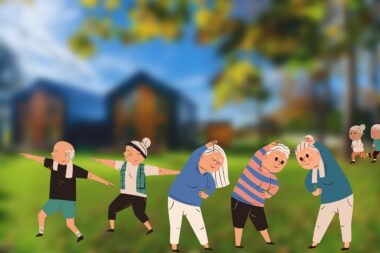
Physical activity plays a crucial role in fall prevention for seniors. Engaging in regular exercise routines designed to strengthen muscles and improve balance can significantly lower fall risks. Activities such as Tai Chi, yoga, or specific balance exercises focus on enhancing core strength and stability. Local community centers or senior facilities often offer classes tailored specifically for seniors, promoting both physical health and social interaction. Working with a physical therapist can also provide individualized exercises aimed at addressing specific weaknesses. Incorporating these activities into daily routines not only enhances physical health but also builds confidence. The more seniors engage in physical activity, the more comfortable they become in their movements, reducing the likelihood of falls. Furthermore, embracing a buddy system within exercise programs can provide encouragement and motivation. Practicing these exercises in a group enhances the sense of community while establishing a strong support network, making physical activity not only a means of stay fit but enjoyable.
Technology and Fall Prevention
Advancements in technology provide exciting opportunities for enhancing fall prevention among seniors. For instance, wearable devices and mobile applications specifically designed for seniors can help them monitor their activity levels and alert caregivers in case of a fall. Some devices come equipped with fall detection algorithms that automatically notify predetermined contacts when a fall is detected. Additionally, smart home technology is becoming increasingly accessible, allowing seniors to automate various tasks, reducing physical strain. Voice-activated assistants can assist them in accessing information quickly or controlling home functions like lighting without needing physical movement. These advancements empower seniors to maintain independence while promoting safety. Furthermore, technology can also foster social connectivity among older adults, which can help combat the isolation and loneliness that sometimes accompany aging. Regular check-ins through video calls or mobile applications can encourage social interaction, fostering overall well-being.
Another essential component of fall prevention pertains to effective nutrition management. A well-balanced diet plays an important role in maintaining muscle strength and overall health. Seniors should focus on diets rich in vitamins and minerals that are crucial for bone health, such as calcium and vitamin D. Adequate nutrition can help mitigate the risk of conditions like osteoporosis, which significantly increases the likelihood of falls due to weakened bones. Consulting with a nutritionist can help create individualized dietary plans that consider any specific health conditions or dietary restrictions. Hydration is equally vital, as dehydration can lead to dizziness or fainting spells. Seniors should aim for adequate fluid intake throughout the day, while being mindful of medications that might affect hydration levels. Maintaining a healthy weight will contribute to the overall health and vitality of seniors, promoting sustained physical activity, which in turn lowers fall risks.
Community Support and Resources
Utilizing community support and resources can significantly enhance efforts towards fall prevention for seniors. Many communities offer resources such as fall prevention programs, workshops, and seminars that educate seniors about safety in their living spaces. Engaging with local organizations presents opportunities for seniors to learn about necessary modifications they can implement at home. Senior centers often provide information regarding local exercise classes designed specifically for maintaining balance and strength. Transportation services can also play a vital role, ensuring seniors have access to these resources without the fear of navigating public transport alone. Furthermore, establishing social networks among seniors can offer emotional and practical support. Group activities or clubs centered around common hobbies can create an environment of camaraderie, promoting an active lifestyle while providing essential social connections. Incorporating education regarding fall prevention into these community programs strengthens overall community awareness, benefiting not just seniors but also their families.
In conclusion, a multi-faceted approach represents the most effective strategy for preventing falls among seniors. By recognizing the various factors that contribute to falls and actively addressing them, we can create safer living environments. Enhanced communication with healthcare providers regarding medications and health assessments contributes significantly to the overall well-being of seniors. Ensuring homes are equipped with necessary safety modifications, engaging in physical activity, and leveraging community support plays a vital role in fostering independence while minimizing risks. Additionally, nutritional management acts as a foundational element of health, playing a decisive role in maintaining physical strength. Today’s technology expands avenues for promoting safety and enhancing connectivity among seniors, making it easier for them to engage and remain active. In essence, adopting and implementing these fall prevention techniques empowers seniors to lead healthier, safer, and more fulfilling lives. Parents, caregivers, and communities must work collaboratively to promote awareness and safe practices. With a concerted effort, we can indeed change the narrative around falls, turning this challenge into an opportunity for enhanced senior safety.