
A Comprehensive Guide to Fouls in Basketball
Basketball is a dynamic sport, requiring skill and strategy, which is heavily influenced by its rules and regulations. Among these rules, fouls play an essential role in determining the flow of the game. Understanding fouls is crucial for players, coaches, referees, and fans alike. This guide provides a comprehensive overview of different fouls, including personal fouls, technical fouls, and flagrant fouls. Each type of foul has its nuances and can drastically impact the game’s outcome. Personal fouls, the most common, occur when a player makes illegal physical contact with an opponent. Technical fouls result from unsportsmanlike conduct or violations of game etiquette. Flagrant fouls are severe infractions that can lead to significant consequences, including ejections. This guide will also explain how fouls affect gameplay, such as the awarding of free throws and possession changes. By understanding fouls, players can improve their game, coaches can strategize better, and spectators can enjoy the game more fully by appreciating the finer points of play regarding player behavior and officiating standards. Mastering these rules enhances the basketball experience for everyone.
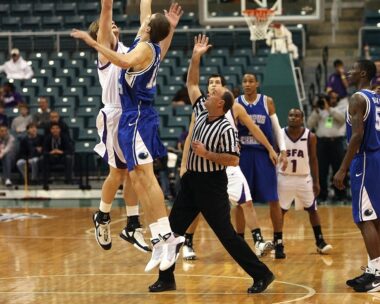
In basketball, personal fouls are first on the list of fouls and typically occur during gameplay with physical contact between players. A personal foul can be committed on both offense and defense and includes various infractions such as hitting, pushing, or blocking an opponent illegally. Each player is limited to a certain number of fouls in a game, usually five for college and six for professional leagues, after which they may foul out and be removed from play. While some contact is permissible, referees must decide on the severity and intent behind the contact to determine if a foul occurred. Players should understand that strategic play can often involve drawing fouls from opponents. This tactic is particularly effective in gaining the offensive advantage and increasing the likelihood of free throws. The awarded free throws can change the momentum of a game, such as when the fouled player converts them successfully. It is vital for players to be aware of their fouls during critical moments of the game. The balance between aggressive defense and avoiding fouls is crucial for long-term success in basketball competition.
Technical Fouls
Technical fouls differ significantly from personal fouls as they usually do not involve physical contact between players. Instead, technical fouls are typically issued for infractions related to unsportsmanlike conduct, such as disrespect toward the officials, delaying the game, or improper player conduct on the court. Examples of actions that can lead to receiving a technical foul include using vulgar language, arguing excessively with a referee, or causing delays like excessive timeouts. Each technical foul results in a free throw awarded to the opposing team, making these penalties particularly damaging. Accumulating technical fouls can also create a reputation for a player or coach, which could lead to increased scrutiny from officials during future games. Coaches must teach players the importance of maintaining composure. While intense emotions can be a part of the game, knowing when to express those feelings respectfully is essential. Moreover, officials are tasked with keeping the games fair and ensuring players abide by the rules. Proper understanding of technical fouls can ultimately improve sportsmanship and enhance the overall competitive spirit of the game.
Flagrant fouls are seen as serious violations within basketball and involve excessive or violent contact with an opponent that endangers their safety. Unlike personal fouls, flagrant fouls indicate a blatant disregard for the rules or the well-being of others on the court. There are two types of flagrant fouls: Flagrant 1, which is unnecessary contact, and Flagrant 2, which is considered excessive and may lead to an ejection from the game. This distinction is crucial since the implications for both players can impact the game significantly. If a player commits a Flagrant 2 foul, they are automatically ejected, meaning their team plays short-handed for the remainder of the game. These fouls trigger heightened attention from referees and often lead to disciplinary measures beyond the game itself. Coaches emphasize the importance of controlled aggression to prevent flagrant fouls, encouraging players to focus on skill and technique. The significance of effectively handling intense situations without resorting to dangerous plays can also contribute to the player’s reputation, discipline, and overall development on the court.
Impact of Fouls on Gameplay
The impact of fouls on basketball extends far beyond penalizing players. Each foul alters the game’s dynamics by influencing team strategy, individual player roles, and coaching decisions. Personal fouls can lead to strategic substitutions to protect key players from fouling out. Coaches will implement strategies to minimize foul trouble while maximizing offensive opportunities, like driving to the basket to draw fouls. Defensively, teams may adopt a more conservative approach, avoiding aggressive tactics that could lead to contact fouls. Furthermore, free throw opportunities following fouls can dramatically affect scorelines. Each foul creates a chance to earn points without the clock running, thus altering team momentum. Recognizing whether a player is in foul trouble informs opponents’ strategies, forcing them to rethink their approaches and playing styles. Understanding fouls allows players to gain an extra edge, recognizing when to push the limits of legality without crossing the line. Teams that effectively manage officials’ interpretations of fouls can maximize their potential and leverage inconsistent officiating to gain advantages, enhancing their chances of victory.
In addition to regular game play, fouls also have implications during postseason tournaments and championship matches. The stakes are incredibly high in these scenarios, where every player and coach is under pressure to perform. Players must navigate the challenge of competing intensely while remaining mindful of their foul counts, which adds an additional layer of complexity to strategy. Referees may also call a tighter game during high-pressure moments, which affects how players modify their on-court behavior. Coaches will emphasize discipline and control during practices leading up to important games, fostering mental toughness in the face of adversity. Additionally, certain players may have the reputation of being foul-prone, causing coaches to adjust playing time significantly, especially in crucial moments. This adjustment can shift the game’s momentum and ultimately determine its outcome. Understanding how referees handle fouls creates a clearer grasp of the game and better preparation for players and coaches. Mastering the art of playing smart within the confines of the rules increases the chance of success in high-stakes situations and lends itself to the overall experience of basketball.
Conclusion on Fouls in Basketball
In conclusion, fouls in basketball represent a complex blend of rules, strategy, and player psychology. From personal fouls affecting gameplay dynamics to technical fouls representing sportsmanship, each foul has distinct significance. Players, coaches, and referees must maintain an awareness of foul implications throughout the game, adjusting strategies quickly to maximize advantages while minimizing drawbacks. Increasing knowledge about flagrant fouls and how they can impact player safety illustrates why healthy competition is respected within the sport. As players understand the importance of managing their foul counts, they enhance the integrity of the game while honing their skills and tactics on the court. Fans, too, benefit from comprehending the nuances of fouls, as this enriches their experience during games by providing deeper insights into what drives the action. By recognizing the diverse types of fouls and their consequences, all basketball stakeholders can foster a respectful and competitive atmosphere. Continuing to educate players and spectators alike ensures the growth and enjoyment of basketball as a cherished sport globally.
Every foul has a purpose beyond penalty; it serves as a teaching moment. Players learn to respect the game and each other while understanding the importance of fair play. Recognizing fouls’ different types facilitates thoughtful conversations and promotes a positive basketball culture that enhances the experience for all involved. Education regarding fouls, their regulation, and the guidance by officials enriches the basketball community. Respecting the rules independently and understanding their context fosters a healthier playing environment. Basketball remains a thrilling sport that captivates millions around the world, with learning about its complexities only heightening its charm. Thus, keeping the element of respect and sportsmanship at the forefront will ensure that players enjoy the game while developing their skills and character, paving the way for future generations of athletes. By promoting partnerships between players, coaches, and officials, basketball demonstrates its commitment to fair play and honesty, ensuring a brighter future for the sport. Ultimately, cultivating a positive attitude towards fouls and applying the lessons learned will result in improved performance and better sportsmanship on and off the court.