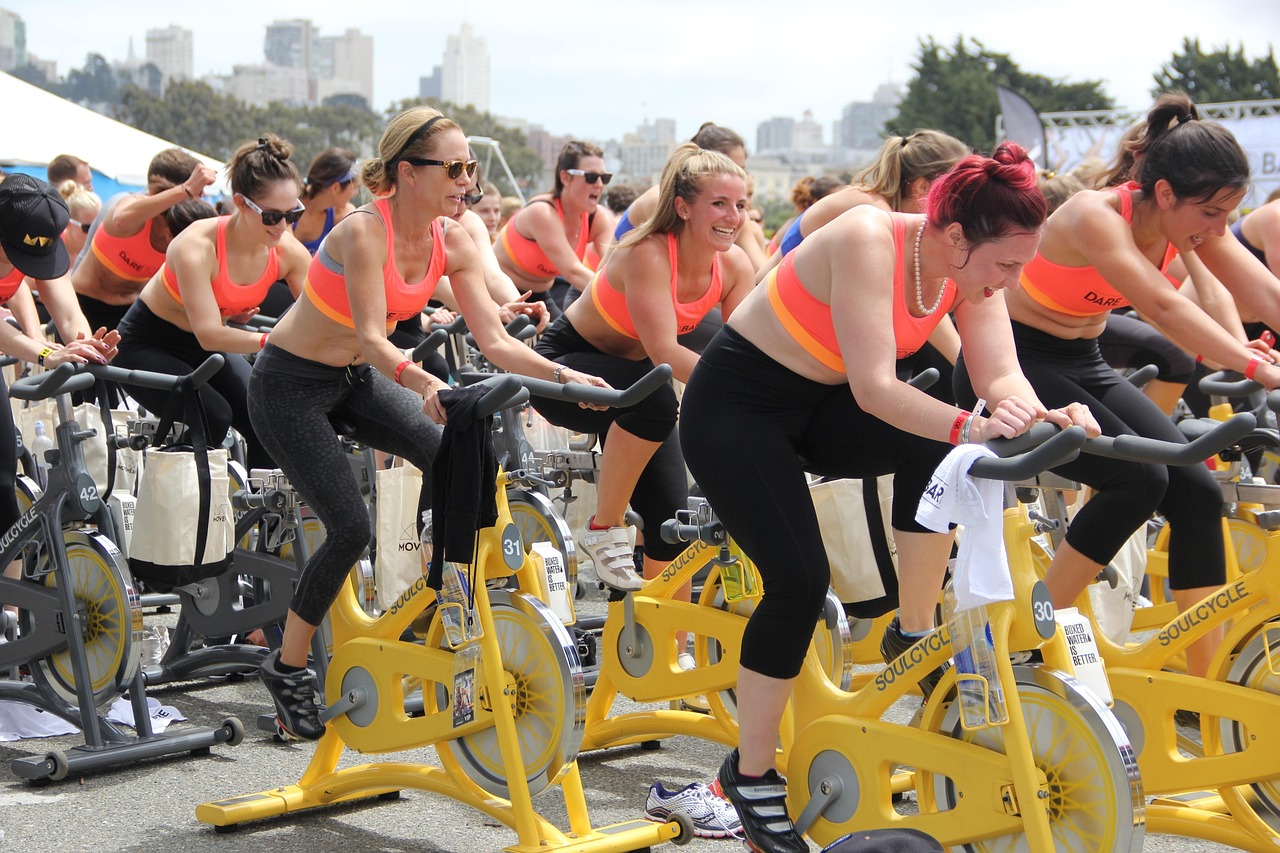

Benefits of Group Endurance Training for Adolescents
Group endurance training presents numerous advantages for young participants seeking to enhance their physical fitness and overall health. One of the main benefits is improved motivation. When engaging in group training, adolescents are often spurred on by peers, leading to increased enthusiasm and a greater willingness to push their limits. This supportive environment fosters collaboration and camaraderie, resulting in an engaging workout experience. Furthermore, incorporating social interaction during training sessions provides an excellent opportunity for youth to bond and develop friendships, resulting in better adherence to fitness routines. Active youths are more likely to continue with their training over time, reducing dropout rates compared to solitary training. Group workouts also allow individuals to learn from each other, share techniques, and encourage personal growth. Through collective effort, young athletes can expand their skill sets, enabling them to achieve mastery in various endurance activities. In summary, group endurance training not only contributes to improved physical fitness but also creates enjoyable social experiences that can elevate young individuals towards long-term success in their fitness journeys.
Endurance training for adolescents is not solely about individual achievement; it emphasizes collective experiences that foster a sense of belonging. Participating in a group setting encourages teamwork, as young athletes learn to cooperate and support one another to reach shared goals. These experiences allow them to develop important life skills such as communication and trust. In addition, they cultivate resilience as they face challenges together, helping them overcome personal and group barriers alike. By taking part in group training sessions, adolescents also build a sense of responsibility, committing to each other’s success. Each participant understands their role in contributing to the overall improvement of the group. This shared accountability promotes a greater commitment to training schedules and consistency. Additionally, group training settings can introduce healthy competition, pushing members to excel while still maintaining a supportive atmosphere. Friendly rivalry encourages individuals to challenge themselves beyond their comfort zones, improving their performance. As a result, adolescents can witness their progress and develop a positive self-image rooted in fitness. Overall, the social dynamics of group training enhance the training experience, making it enjoyable and impactful.
Physical and Mental Benefits
The physical benefits of group endurance training extend beyond simple fitness gains. Engaging in collective workouts can enhance cardiovascular health, muscular endurance, and flexibility in young participants. When youths work out together, they can benefit from varying intensities and exercises, leading to balanced fitness improvement across multiple facets. A diverse group of abilities encourages the inclusion of various training styles, such as interval training, steady-state cardio, and agility drills. Coupling this with increased activity levels contributes to overall well-being and performance in sports. Moreover, group endurance training promotes mental advantages as well, including stress relief and enhanced mood. Exercising with peers releases endorphins that elevate feelings of happiness and satisfaction. Adolescents dealing with challenges related to schooling or personal life often find solace in these group activities, enabling them to focus on their physical abilities rather than their stressors. This form of outlet helps build mental resilience, cultivating emotional stability that may translate into other aspects of their lives. The holistic development of youths through physical and mental fitness in a group setting is a powerful aspect of endurance training.
Participation in endurance training groups often leads to improved discipline and goal-setting behaviors among adolescents. In group training settings, participants are regularly exposed to fitness milestones and collective objectives, prompting them to set and work toward personal goals. The shared atmosphere fosters dedication, as everyone is focused on achieving specific targets, such as increasing running distance or enhancing stamina. Thus, the experience trains young individuals to be accountable for their development while also fostering a growth mindset. As individuals see progress, they become motivated to pursue continuous improvement and maintain commitment to their health. Moreover, the structured nature of group training sessions instills a sense of discipline, enabling participants to stick to schedules and prioritize fitness in their daily lives. This newfound routine can carry over into other areas, nurturing a sense of organization and responsibility in their academic pursuits or extracurricular activities. By participating in structured group training, adolescents learn invaluable lessons about the importance of consistency and hard work to succeed in their fitness goals and beyond.
Long-term Benefits for Youth
The long-term effects of group endurance training can have a significant impact on adolescents, shaping their attitudes toward fitness and health for years to come. As they engage in consistent exercise within a supportive community, they build lifelong habits and preferences for physical activity. Teaching adolescents the importance of maintaining an active lifestyle during these formative years establishes a foundation for lifelong fitness. Individuals who form their health values early are more likely to prioritize exercise and nutrition as they grow. Furthermore, positive experiences in group endurance training can influence adolescents’ future involvement in sports and fitness activities, encouraging them to stay active well into adulthood. These long-term commitments yield benefits not only to their physical health but also to their mental well-being. Positive memories associated with group workouts can create a lasting affinity for exercise, contributing to reduced chances of obesity, anxiety, and depression. Hence, investing in group endurance training for adolescents is vital for cultivating a generation that prioritizes health and fitness, fostering resilience and adaptability that benefit them throughout their lives.
Group endurance training offers a platform for youth to acquire valuable leadership skills as they participate in various roles. In a group setting, adolescents may take turns leading workouts, encouraging their peers, and contributing ideas for training activities. These experiences promote increased self-confidence, and strong interpersonal skills. They learn to communicate effectively with peers, which is critical in both athletic environments and daily life situations. Additionally, these roles teach young individuals how to navigate challenges, solve problems, and motivate others towards achieving shared objectives. Developing these leadership skills may enhance future opportunities, equipping adolescents with tools necessary for success in academics, career pursuits, and personal relationships. Moreover, opportunities for social interaction during training can help adolescents break down social barriers and learn to appreciate diversity within their groups. As they familiarize themselves with different personalities and experiences, they become more adaptable, empathetic, and open-minded individuals. Overall, acquiring leadership and social skills through group endurance activities ensures adolescents are well-prepared to face various challenges and interactions in their lives.
Conclusion
In conclusion, the benefits of group endurance training for adolescents encompass physical, mental, and social advantages that contribute significantly to their overall development. Young participants gain improved motivation, enhanced fitness, and lifelong healthy habits within a supportive community. Training in groups not only strengthens their physical capabilities but also fosters essential life skills, such as teamwork, communication, and resilience. Additionally, the steadfast support networks formed during group workouts help address mental and emotional well-being, providing a crucial outlet for stress relief. Such environments pave the way for discipline, goal-setting behaviors, and leadership skills that are indispensable as they navigate adolescence and beyond. The experiences forged in group endurance training can profoundly influence their perspectives on fitness and health throughout their lives. Therefore, promoting group endurance training should be a priority within youth programs, empowering adolescents to embrace physical activity while fostering strong social connections. Investing in their future health and well-being is crucial, and group training serves as an effective platform to cultivate a generation of healthy, resilient, and socially-conscious individuals.
This is an inner text surrounding a script tag and a surrounding script tag.