
Debunking Myths About Static Stretching
Static stretching is often misunderstood in fitness and wellness circles. Some people believe that performing static stretches before a workout can significantly reduce their chances of injury. However, research has shown that while flexibility is essential, stretching in this manner does not directly prevent injury. Instead, it can temporarily decrease muscle strength and power. It’s vital to understand that the primary function of static stretching is to improve flexibility rather than act as a warm-up.
The misconception that static stretching should always precede physical activity is also prevalent. While it was once thought to be beneficial, experts now suggest engaging in dynamic stretching prior to exercise for better performance. Dynamic stretches effectively prepare muscles for the activities ahead while preserving strength and enhancing circulation. Because static stretching aims to elongate muscles, it is more appropriately used after workouts when the body is already warmed up and more pliable.
What Is Static Stretching Good For?
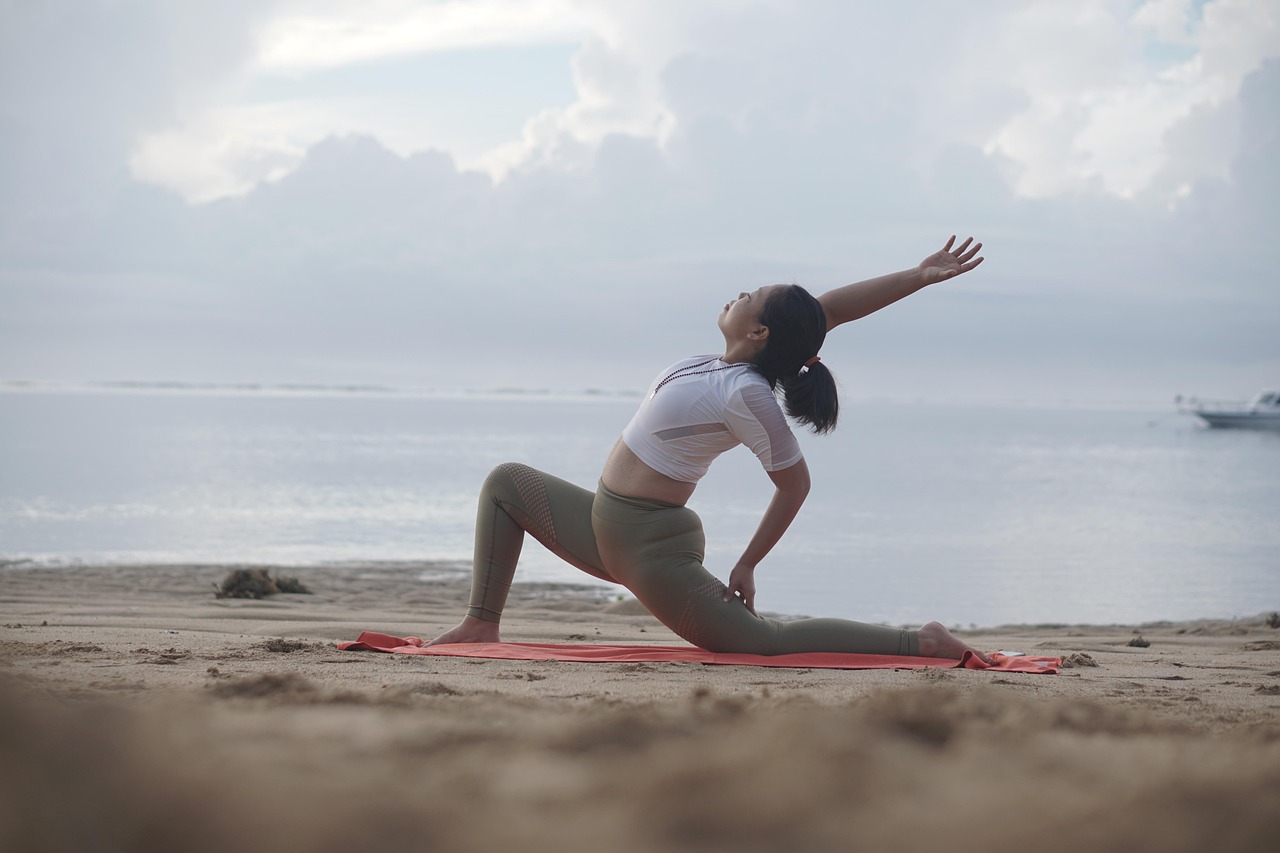
Static stretching is primarily beneficial for improving flexibility and range of motion. When performed regularly, it can help with recovery from physical activity, maintain muscle elasticity, and enhance performance in various sports. Additionally, it aids in relaxation and stress reduction, making it a valuable component of any fitness regimen. Stretching also promotes blood flow, which can alleviate soreness post-exercise. Ultimately, when used correctly, static stretching plays a vital role in a comprehensive fitness plan.
Another myth surrounding static stretching is that it is harmful to muscle recovery. Contrarily, when incorporated appropriately, static stretching can facilitate recovery by helping to alleviate muscle tightness and soreness after training. By allowing muscles to relax and lengthen, this type of stretching aids the body in returning to its pre-exercise state. Thus, it’s a beneficial tool that should be implemented at the end of workout sessions for optimal muscle recovery and flexibility.
How to Perform Static Stretching Safely
To gain maximum benefit from static stretching, it’s crucial to perform the stretches correctly and safely. The goal is to hold each stretch for about 15 to 30 seconds while breathing deeply. Avoid any bouncy movements, as these can lead to injury. Instead, gradually extend the stretch to a point of mild discomfort without causing pain. Listening to your body is essential. Some effective stretches include hamstring, quadriceps, and shoulder stretches.
There is also a misconception that experiencing pain equates to a good stretch. On the contrary, a stretch should be gentle and should never evoke sharp discomfort or pain. If pain is felt during stretching, it is advisable to stop immediately to prevent injury. Instead, focus on stretching only to a point of mild tension. Consistency is key, so incorporating these stretches into a regular routine will yield better results over time while minimizing the risk of injury.
Static Stretching for Injury Prevention
Another myth is that static stretching can effectively prevent injuries across all fitness levels. While stretching can enhance flexibility, its role in injury prevention is not as significant as some may believe. Other factors, such as proper training techniques, equipment, and balanced workouts, play crucial roles in preventing injuries. Therefore, it is essential to adopt a holistic approach to fitness rather than relying solely on static stretching for injury deterrence.
In conclusion, static stretching remains a misunderstood but vital aspect of fitness. When used correctly, its benefits extend beyond flexibility and range of motion improvement. This discipline deserves a proper place in fitness regimes, especially as a post-workout practice. Addressing misconceptions about its role in injury prevention and performance enhancement will promote a more effective approach to health and fitness. Emphasizing education on how and when to apply static stretching practices ensures it is integrated into a well-rounded fitness program.