
How to Incorporate Dumbbells into Your Functional Training Routine
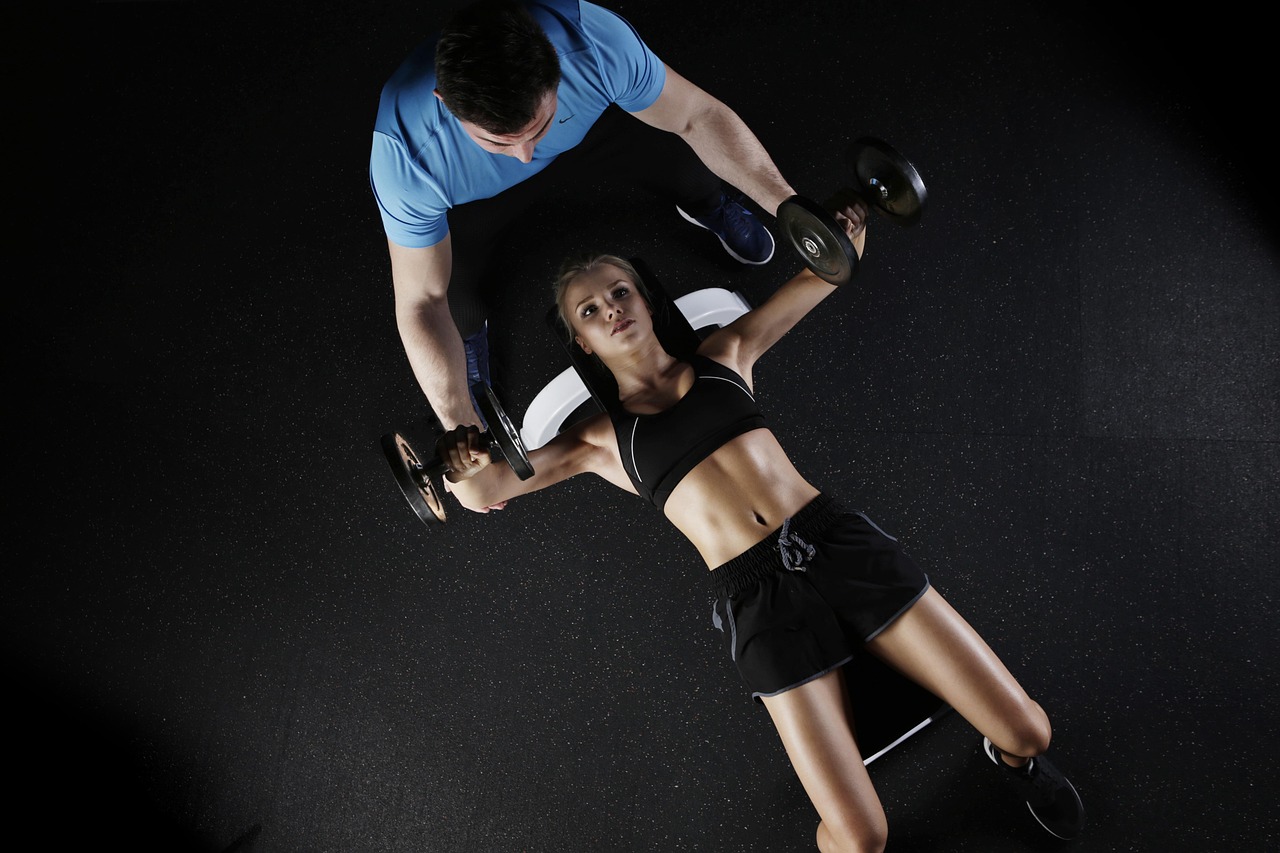
Functional training emphasizes movements that mimic the activities we perform in everyday life. This training regime utilizes various tools, one being dumbbells. Incorporating dumbbells in functional training can enhance strength, stability, and overall efficiency in workouts. Not only do dumbbells add resistance, but they also require more stabilization than machines, making them essential for building functional strength. Start by understanding basic dumbbell exercises that can be integrated into routines. These exercises include rows, presses, and deadlifts, targeting multiple muscle groups simultaneously. By varying weights and focusing on form, participants can greatly benefit from these exercises aimed at improving day-to-day activities. Additionally, consider your training environment; dumbbells are portable, making them an excellent option for home workouts. Including dumbbells allows for flexibility and adaptability with various exercises, ranging from core stability work to explosive movements. Create a balanced routine using dumbbells alongside bodyweight exercises. This strategy not only prevents boredom but also challenges different muscle groups effectively. Over time, increasing the weight and intensity of workouts ensures progression and prevents plateaus. Overall, a well-structured regimen incorporating dumbbells can substantially improve functional strength.
To start, you should focus on mastering your form with lighter weights before advancing. Poor technique can lead to injuries and hinder progress. Once accustomed to basic movements, gradually increase the weights to challenge yourself as you improve. Developing core strength should be a priority in functional training. Dumbbell exercises like the bird-dog hold with dumbbells can amplify core engagement, enhancing stability and balance. Adding unilateral movements using dumbbells helps correct muscular imbalances and build teamwork between muscle groups. Examples include single-arm rows or overhead presses. Diverse movements not only strengthen various body parts but also boost coordination and functional fitness. Moreover, consider incorporating compound movements; combine movements like the squat to press or lunge to curl to maximize efficiency. When training with dumbbells, pay attention to your breathing; it plays a crucial role in maximizing your workout’s effectiveness. Proper breathing techniques can increase endurance. To keep your workouts fresh, periodically mix in new dumbbell workouts by researching or attending classes. Many online platforms offer excellent resources. Staying engaged will maintain your interest and overall motivation, essential components for long-term success in any fitness regime.
Creating a Comprehensive Routine
Designing a comprehensive functional training routine requires variety and progression. Begin by determining the weekly frequency of workouts. Aim for at least three sessions showcasing a blend of cardiovascular workouts, strength training, and flexibility exercises. When scheduling, focus on key muscle groups to prevent fatigue; alternating upper body and lower body workouts can be beneficial. Ensure each session includes a warm-up and cooldown section, preventing injuries and enhancing recovery. You can use bodyweight movements as a warm-up. As you develop your plan, consider the intensity of each workout; varying the intensity helps in muscle adaptation and prevents boredom. Consistent challenges lead to enduring results. Consider scheduling deload weeks for recovery while still emphasizing movement. Pairing your dumbbell workouts with other functional movements like kettlebell swings or medicine ball throws can amplify your gains. Engage your core and challenge your stabilization system by including various motions. Also crucial is nutrition, as your body’s fuel directly impacts recovery and performance. Reassess and adapt your training routine regularly to discover what methods yield optimal results for your individual goals. This periodical evaluation will help track progress and condition.
A nutrition plan should also consider the timing of meals related to your training sessions. Eating adequate nutrients before and after workouts can influence your performance and recovery significantly. Consuming carbohydrates before exercising can provide essential energy, while a combination of protein and carbs post-workout aids muscle recovery and growth. Understand hydration’s importance as well; staying hydrated is vital for optimal performance and recovery in functional training. Aim to drink water consistently throughout the day and during workouts to support overall hydration levels. A balanced nutrition plan combined with dumbbell workouts can maximize the effectiveness of your functional training routine. Aside from workouts, focus on mental preparation; mindfulness practices can enhance your workout experience. Fostering a positive mindset can overcome challenges and improve motivation. Engaging in visualization techniques while exercising has proven effective in performance enhancement. As you develop your routine, embrace the concept of progression. Gradually advancing both weights and exercise complexity will ensure continued improvements in strength and functionality. Reflect on your achievements consistently, allowing them to serve as motivation. Lastly, don’t hesitate to switch up your routine every few months to remain excited and engaged in your workouts.
Tracking Progress and Adjusting Your Approach
To see tangible results from your functional training with dumbbells, tracking your progress is essential. Maintain a fitness journal or use apps to record your exercises, weights, sets, and reps. Documenting improvements allows for monitoring your development and holds you accountable for your routine. Reflecting on your workouts can highlight patterns, showing what works for you and what may need adjustments. If certain exercises become too easy, it is crucial to heed the signals and increase the weights or complexity. Additionally, take note of your overall energy levels; understanding how intensity fluctuates plays a vital role in your training. This awareness can guide rest days, ensuring recovery and avoiding overtraining. Cross-training is another way to ensure balanced fitness; integrating alternative workouts can help target weak spots that dumbbell training may overlook. Incorporating activities like yoga or swimming can enhance flexibility, reducing injury risks. Remember to listen to your body; taking breaks when needed is crucial for long-term success. Ask for professional support if necessary; experienced trainers can offer valuable advice tailored to your goals. The combination of these strategies will ultimately enhance your functional training.
Consider the benefits all-around training brings; integrating movements that mimic everyday tasks fosters not just physical fitness but also confidence in abilities. Consider the psychological advantages as well; seeing improvement will motivate consistent effort. Celebrate small victories to maintain enthusiasm; each accomplishment in lifting weight represents progress towards your overall fitness goals. Setting both short-term and long-term goals can structure your training effectively. Short-term achievable goals can lead to long-term success, making the overall journey enjoyable and rewarding. Suitable goals may involve weight lifting milestones or enhanced endurance within certain timed workouts. With each achievement, consider switching the routine again if current approaches become stagnant. Flexibility in training keeps it engaging and can catalyze new levels of performance. Additionally, collaborating with fitness communities can provide support and inspiration. Sharing ideas and experiences with peers fosters newfound motivation contributions, leading to a more positive training environment. Regular interaction with others also enables accountability, increasing dedication to your training goals. The group dynamic can promote friendly competitiveness which ultimately enhances your workout experience. By applying these strategies while utilizing dumbbells, ensure that functional training keeps yielding dramatic results as you progress on your fitness journey.
Conclusion
In conclusion, incorporating dumbbells into your functional training routine yields multifaceted benefits that extend beyond building muscle strength. The balance of functional movements with varied weight resistance forms a solid foundation for improved athletic performance and daily life activities. Focus on mastering foundational movements, progressively advancing weights, and engaging various muscle groups to achieve balanced results. Prioritize nutrition, hydration, mental preparedness, and tracking your progress to ensure well-rounded personal development as you train. Incorporating outreach with fitness communities further enhances your motivation and commitment to your fitness journey. By setting specific goals and adapting your routine accordingly, you promote the best possible fitness outcomes. Maintaining flexibility in your workout structure will not only challenge your body but also keep your mind engaged. Remember, successful functional training is a journey, not a destination. Acknowledge your progress and the improvements you’ve made along the way. Continue celebrating every small win, as it drives motivation. Eventually, you will see significant enhancements in strength, confidence, and overall functional capacity. So, grab those dumbbells and commit to a sustainable functional training routine enhancing both your fitness and your daily life efficiently.