
Pilates Equipment for Rehabilitation: What You Need to Know
When considering Pilates for rehabilitation, investing in the right equipment is crucial for achieving optimal results. Pilates is recognized not only for its fitness benefits but also for its effectiveness in rehabilitation settings. Key pieces of Pilates equipment that aid recovery include the Reformer, Cadillac, and various props such as resistance bands and balls. The Reformer, with its adjustable springs and moving carriage, allows for modified exercises that cater to individual needs. Using it helps in enhancing strength, flexibility, and coordination, which are vital in rehabilitation. Furthermore, the Cadillac provides more versatile programming options while ensuring safety during workouts. Various accessories like foam rollers, stability balls, and resistance bands contribute to both strengthening and recovery processes. They allow patients to target specific areas and encourage correct alignment and posture. Finding the right instructor is equally essential, as they guide through the rehabilitation journey. Their expertise helps in creating customized programs that accommodate the patient’s specific needs, ensuring a safe and effective recovery process. Investing in quality equipment makes a significant difference in achieving rehabilitation goals through Pilates.
Essential Pilates Gear for Effective Recovery
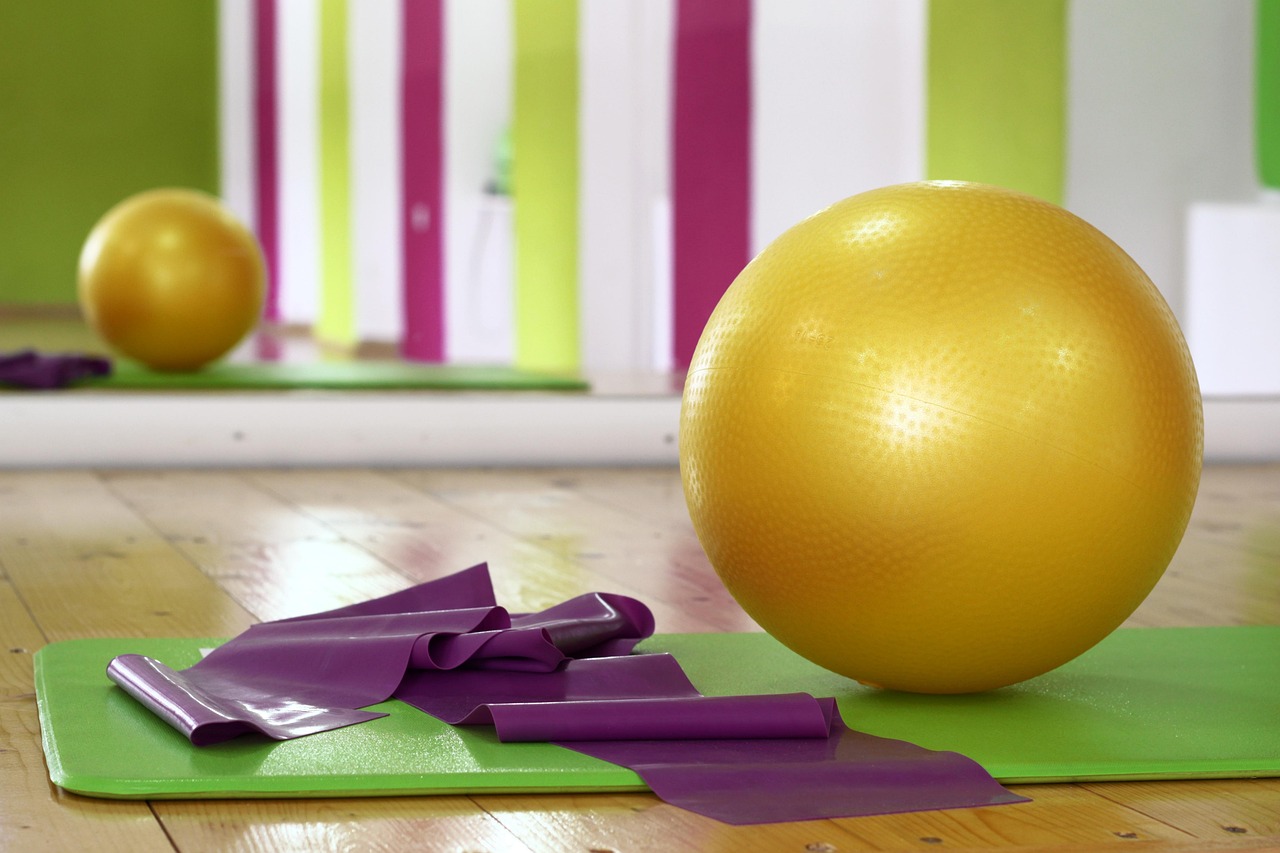
In addition to principal equipment, various accessories play an important role in Pilates rehabilitation. Many individuals find that integrating specific Pilates gear can enhance their recovery experience significantly. Items such as resistance bands provide extra support and allow for gradual strength building post-injury. They come in different resistance levels tailored to suit various needs of rehabilitative exercises. Stability balls are essential for improving core strength and can aid in balance and stability, which is often compromised after an injury. Additionally, foam rollers are useful for myofascial release and muscle recovery, alleviating tightness and pain. An orthopedic wedge is another piece that positions the body correctly during specific movements, helping to support proper alignment. Having a quality yoga mat is also essential to ensure safety and comfort during workouts. As rehabilitation can be an intense process, the right apparel like moisture-wicking fabrics provides comfort during exercise routines. Lastly, Pilates socks with grips are beneficial for safe movement on equipment. This gear ensures that the user feels supported, stable, and confident throughout their rehabilitation journey.
When embarking on a Pilates rehabilitation program, understanding how to appropriately use the equipment is key to success. It is therefore advisable to start under the guidance of a certified Pilates instructor. They can teach proper techniques and modifications to prevent further injury. In Pilates practice, controlled movements and breathwork go hand-in-hand, promoting mental focus along with physical recovery. For instance, while transitioning through exercises, maintaining control of the body aids in ensuring that muscle groups work in harmony. Utilizing the equipment correctly can significantly enhance outcomes by allowing effective targeting of specific muscles. This can help in re-engaging those areas that may have weakened due to injury. Furthermore, adapting exercises to accommodate pain levels and physical limitations is vital for safe practice. Communication with the instructor throughout the rehabilitation process is essential to address challenges. Keeping a positive mindset during sessions fosters commitment and can lead to better recovery outcomes. Setting realistic goals that align with personal capacities can also help maintain motivation. Recovery can be a gradual process, and patience is key as improvements develop over time.
Choosing the Right Instructor for Rehabilitation
Finding the right Pilates instructor is a significant step in your rehabilitation journey. Not every instructor is equipped to manage rehabilitative needs, so it’s essential to seek one with specialized training. Look for someone who holds certifications in both Pilates instruction and rehabilitation techniques. During initial sessions, discuss your injury history and specific recovery goals openly. A knowledgeable instructor will be able to develop customized programs targeting your individual challenges. Building a relationship of trust with your instructor is crucial; they should prioritize your safety and comfort during the exercises. Ensure that they constantly check on your form during workouts, as this reduces the risk of further injury. Moreover, listening to your feedback and making necessary adjustments in the program is key to an effective rehabilitation process. An instructor experienced in working with similar conditions can provide valuable insights and should foster an encouraging environment for growth. Additionally, make sure the studio environment makes you feel comfortable. This supportive atmosphere can significantly influence motivation and commitment levels as you work toward recovery.
Incorporating Pilates into a rehabilitation program can also offer psychological benefits alongside physical recovery. Many individuals initially feel apprehensive about returning to physical activity after an injury. Pilates’ focus on body awareness, alignment, and breath work can positively impact a person’s mental well-being. Engaging in mindful movement helps to channel energy into the healing process, promoting a sense of accomplishment and empowerment. As strength returns, so does confidence, encouraging individuals to participate fully in their rehabilitation journey. Potential stress associated with the recovery timeline can also be managed through mindfulness practices taught in Pilates sessions. Practicing patience goes hand-in-hand with the understanding that every person’s healing process is unique. Celebrating small victories along the way boosts motivation and enhances overall well-being. Peer support during classes can also foster a sense of community, which may further aid recovery. Meeting others who are facing similar challenges can be reassuring. Individuals can share their experiences and coping strategies. Overall, the psychological benefits of Pilates rehabilitation can dramatically influence an individual’s outlook, making it a holistic approach to healing.
Maintaining Progress After Rehabilitation
Once you complete your initial rehabilitation program, it is essential to maintain the progress you’ve achieved. Transitioning into post-rehabilitation workouts allows for continuous strength-building and flexibility enhancement. Regular participation in Pilates classes can help reinforce the gains made during rehabilitation. As one becomes more comfortable, incrementally increasing the difficulty of exercises provides continual challenges that support overall fitness. Additionally, establishing a routine that includes both Pilates and other forms of low-impact exercise can ensure a balanced approach to physical health. Incorporating activities such as swimming, cycling, or walking can help diversify the exercise regime while minimizing risk of injury. Another important aspect is setting new achievable goals that motivate continued commitment. These could range from mastering specific Pilates moves to developing endurance in various activities. Furthermore, practicing self-care through adequate rest, proper nutrition, and mindfulness contributes positively to long-term wellness. Staying engaged with a fitness community or working with an instructor can consistently offer inspiration and accountability. By prioritizing ongoing exercise, individuals can maintain the resilience built during rehabilitation and promote long-term physical health.
In conclusion, Pilates equipment serves as an essential component of rehabilitation, providing support in achieving recovery goals. Selecting appropriate gear and finding a qualified instructor sets the foundation for success. Through thoughtful practice, individuals can enhance strength, flexibility, and overall fitness while minimizing the risk of further injury. The journey may be challenging at times, but establishing a relationship with Pilates can yield significant psychological and physical benefits. Embracing the available resources while practicing patience ensures ongoing progress. Moreover, utilizing accessories and variations can tailor workouts to specific needs, promoting comprehensive recovery. Ultimately, Pilates is not only about exercising the body; it embodies a philosophy that encourages holistic healing. Commitment to a regular Pilates practice after rehabilitation forms the basis for sustained health and well-being. By incorporating various elements conducive to recovery, individuals can enhance their quality of life and embrace a healthier lifestyle moving forward. Pilates can reshape not only the body but also the minds of its practitioners, making it a powerful tool in recovery and physical wellness.