
Push Exercises to Complement Your Running or Cycling Training
Incorporating push exercises into your fitness routine can enhance your running and cycling performance noticeably. These forms of resistance training target muscles that promote upper body strength and stability. By developing power in the pushing muscles, you improve overall energy efficiency during your aerobic activities. Push exercises like push-ups, dips, and shoulder presses not only enhance strength but can also balance out the continuous motion that running or cycling places on the body. Balanced strength training minimizes injury risk while optimizing your performance. Furthermore, these exercises can be performed virtually anywhere, requiring minimal equipment, making them versatile. To get started, you should focus on the proper form and technique for each exercise to maximize benefits. Engaging your core is crucial during these movements to maintain stability and prevent injuries. The addition of push exercises will allow you to build muscle endurance, which is invaluable during long-distance runs or rides. Consider scheduling multiple sessions weekly to effectively integrate these movements into your training plan, ensuring your upper body complements lower body workouts. Ultimately, this balanced approach will enhance your overall athletic performance and contribute to achieving your fitness goals.
The Importance of Upper Body Strength
The significance of upper body strength cannot be underestimated, particularly for runners and cyclists who often focus on lower body training. In fact, developing a strong upper body promotes improved posture and stability. Having a solid foundation in your arms, shoulders, and chest aids in better oxygen flow during strenuous activities. Breath control is critical when pushing yourself during a run or cycling, and a stable upper body allows for more effective breathing patterns. Moreover, improved strength in the arms helps maintain cycling posture and prevents fatigue during long rides. Effective push exercises help to engage the upper body muscles that support the core, creating a strong link needed for overall performance. A well-rounded regimen that includes push movements boosts muscular endurance, allowing athletes to maintain their physical form longer without succumbing to exhaustion. By strengthening the upper body, runners can reduce the risk of performance-related injuries like shoulder and neck strains. Therefore, integrating push movements into your training should not only enhance your aesthetics but also greatly influence your functional performance in endurance sports.
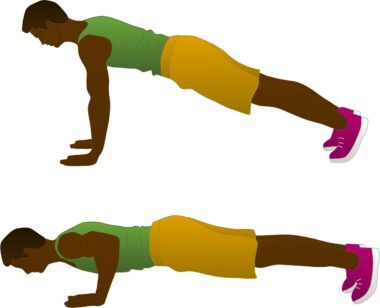
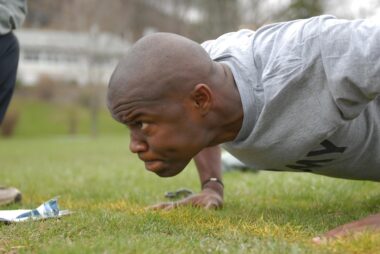
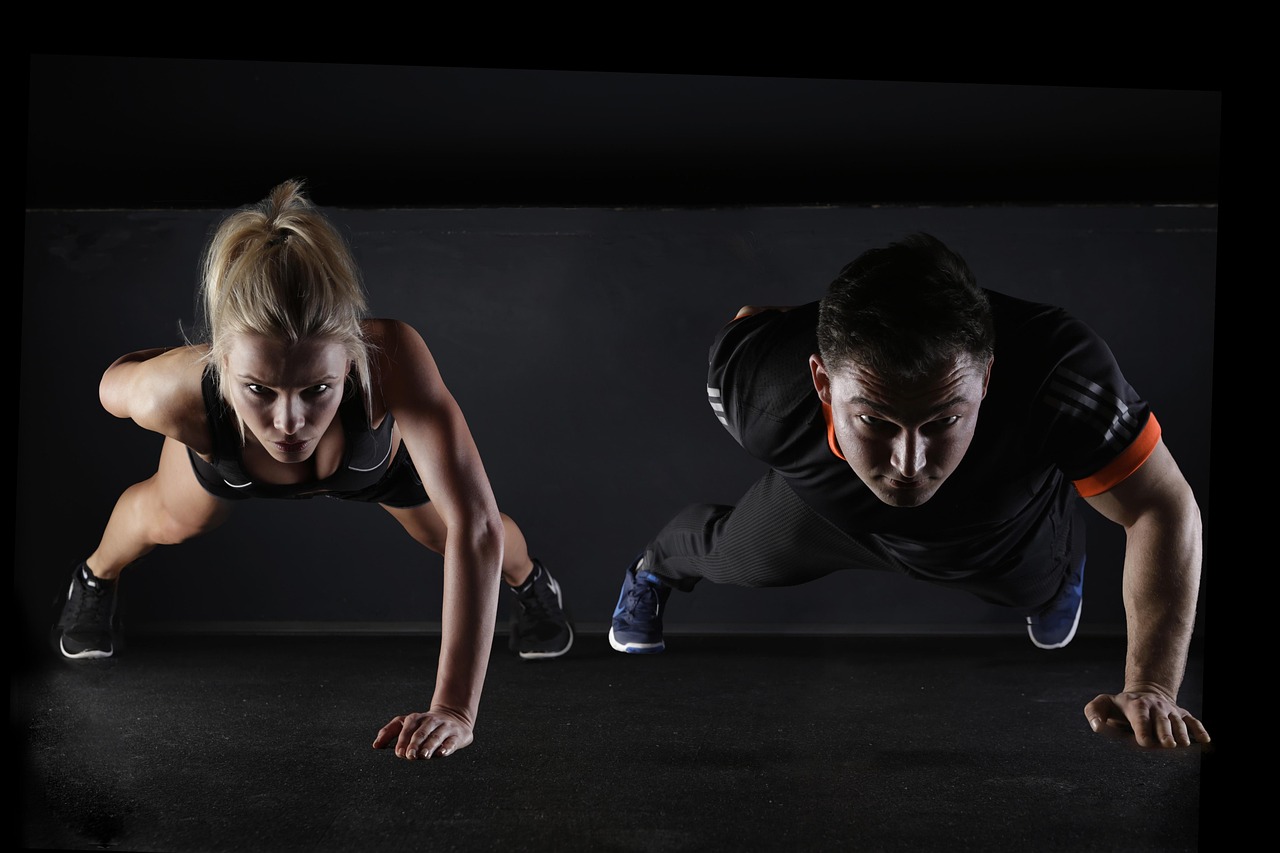
Push-ups are among the most popular and effective bodyweight exercises available for enhancing upper body strength. They primarily target the chest, shoulders, and triceps, making them excellent for runners and cyclists. There are numerous push-up variations to keep your workouts interesting and challenge your muscles differently. Standard push-ups provide a solid foundation; however, you may also explore incline and decline push-ups, which shift weight distribution and work different muscle groups. Implementing different hand placements increases the effectiveness of your workout. For additional stimulation, consider adding explosive push-ups, where you push off the ground and clap your hands for increased intensity and power. Incorporating these variations into your routine will keep your body guessing, preventing plateaus and enhancing muscular growth. Be mindful of your form throughout these exercises to effectively isolate the targeted muscles. Maintain a firm grip on the floor, engage your core, and ensure that your body forms a straight line from head to heels. As you improve, gradually increase your repetitions or resistance to ensure continuous progress while preventing injury. Among push exercises, the push-up remains a timeless classic and should be a staple in your fitness program.
Dips are another highly effective push exercise well-suited for enhancing upper body strength in runners and cyclists. This exercise primarily targets the triceps, shoulders, and chest. Dips can be performed using parallel bars, a sturdy bench, or even a chair. To perform a traditional dip, lower your body until your elbows form a right angle, then push back up to the starting position. This motion mimics the pushing actions that runners and cyclists experience while propelling themselves forward. Additionally, dips contribute to improved muscle endurance and stability. Altering the width of your hand placement can change the focus of the exercise, allowing for targeted muscle growth. As an athlete, enhancing tricep and shoulder strength is crucial for maintaining upper body balance and posture during aerobic activities. For a more challenging variation, incorporate weighted dips with a weight belt or a backpack filled with weights. Always prioritize safety by performing dips with controlled movements, utilizing the full range of motion. This exercise, in both standard and weighted formats, will greatly complement the push aspect of your training, contributing to overall strength and endurance during runs and cycling sessions.
Shoulder Press Variations
The shoulder press is another excellent push exercise that can enhance your performance in running and cycling. It targets the deltoid muscles and promotes improved strength and stability in your shoulders. A stronger shoulder complex allows for better posture, which is crucial for both endurance sports. Performing shoulder presses can help prevent injuries related to poor mechanics during running or cycling. With various ways to perform this exercise, you can choose from seated dumbbell shoulder presses, standing barbell shoulder presses, or resistance bands. Each variation presents unique challenges to your core and shoulders. Focus on controlled movements and alignment to avoid injuries. Ensure your elbows are not flaring out too much, as this can compromise your shoulder health. You could also incorporate overhead holds, where you maintain a weight overhead for a set duration to build endurance. This type of shoulder pressing can effectively complement upper body strength throughout your endurance activities. Adding the shoulder press to your weekly routine will contribute to a comprehensive training strategy that not only enhances your upper body but also maximizes your performance potential.
Planks are primarily known for their core-strengthening capabilities, but they also engage various upper body muscles essential for runners and cyclists. Performing push-up variations, such as the plank to push-up or side plank, adds a dynamism that facilitates upper body engagement tremendously. The benefit of stability exercises like planks is twofold; they build strength and endurance while enhancing body alignment. Improved core strength is essential for maintaining proper form during endurance activities, as it affects how the entire body moves. To add a challenge, you can incorporate shoulder taps or ball variations while in a plank position, which will actively engage your shoulders and arms. This added complexity promotes stability, dynamic movement, and coordination, vital skills for athletes. Stacking planks as part of your training improves not only your abdominal strength but ensures that you are prepared for the demands of long-distance running and cycling. By dedicating time to mastering those variations, you are laying a strong foundation for a successful endurance workout. Thus, effective integration of planks into your routine will contribute significantly to enhancing your overall athletic performance.
Finally, incorporating push exercises into your training routine requires a balanced approach. Ensure that you are also engaging in adequate recovery practices and stretching to support muscle growth and endurance. After completing your push workouts, take time to stretch the upper body muscles to alleviate tension and enhance flexibility. Regularly stretching those areas helps to maintain optimal range of motion. Additionally, consider engaging in supplementary activities like yoga or Pilates that emphasize strength, flexibility, and balance. This holistic approach promotes overall athletic performance while preventing injuries. Gradually integrate additional leg workouts alongside push exercises to create balanced muscle development. Remember, the goal of these push exercises is to support your running or cycling performance rather than merely to increase upper body strength alone. Track your progress over time, adjusting challenge levels to ensure continuous improvement. This consistency will pay off significantly in your endurance capacity and push efforts. Ultimately, cultivating a comprehensive and coordinated training program that incorporates push exercises will help improve performance, making you a stronger and more resilient athlete overall.
In conclusion, adopting a strategy that includes push exercises is vital for runners and cyclists aiming for optimal performance. Integrating exercises like push-ups, dips, shoulder presses, and variations like planks enhances overall upper body strength, endurance, and stability. A strong upper body supports efficient movement patterns in endurance sports, leading to better results and a lower chance of injury. Prioritize maintaining proper form and technique during workouts to maximize benefits and prevent potential injuries. As you train, remember that diversity in your exercise selection plays a pivotal role in ensuring comprehensive muscle engagement. Regularly varying your movements keeps your body challenged and promotes growth, while also preventing boredom in your routine. Additionally, embrace recovery practices and stretching to maintain your muscle flexibility and health. Over time, you will notice significant improvements in your running and cycling performance. This strategy will help you achieve your fitness aspirations while building a robust foundation for your athletic endeavors. Maintain focus on your goals, and continuously integrate push exercises for long-term success and physical conditioning. Strengthening your pushing muscles will allow you to endure the rigors of endurance training while elevating your athletic capacity.