
Scaling CrossFit Exercises for Home Workouts Any Fitness Level
When it comes to scaling CrossFit exercises for your home workouts, understanding your fitness level is key. CrossFit is renowned for its intensity, but adapting it to personal capabilities ensures both safety and effectiveness. Begin by assessing your current fitness level, identifying strengths and weaknesses, and focusing on foundational movements. Cater your selections based on your experience and comfort level with various exercises. Every workout should promote progress, and scaling allows you to achieve that at your own pace while still benefiting from the dynamic nature of CrossFit. For beginners, simpler versions of advanced moves can be incredibly helpful. This might mean substituting handstand push-ups with pike push-ups or regular push-ups, which effectively build strength over time. Embrace modifications as necessary during workouts, while also working on your form to prevent injuries and enhance progress. As you improve, progressively adjust your routines, incorporating more challenging variations. This adaptability is what makes CrossFit accessible and enjoyable for everyone. Always consult with trainers or fitness experts if you’re uncertain about modifications that fit your capabilities and goals.
Essential Scaling Techniques
Several essential scaling techniques can help you perform CrossFit workouts at home, adjusting to your abilities effectively. One popular method involves decreasing the weight used during exercises, particularly in weightlifting. Lighter weights help ensure proper form without overstraining your muscles, making it ideal for new lifters. Additionally, adjusting the number of repetitions or rounds per workout can produce a more manageable session. If a workout prescribes five rounds of 15 reps, reducing that to three rounds of 10 can make achieving success easier. Another method is to modify the exercises themselves to focus on similar muscle groups while fitting your capabilities. For example, if squat jumps are too challenging, consider opting for box squats or regular air squats instead. Even changing the tempo of your movements can alter difficulty; slowing down during exercises emphasizes control and technique. Using these methods, home workouts will remain challenging and rewarding while allowing you to maintain enthusiasm and commitment to your fitness journey. Remember, the goal is to push yourself while being mindful of your limits and progress.
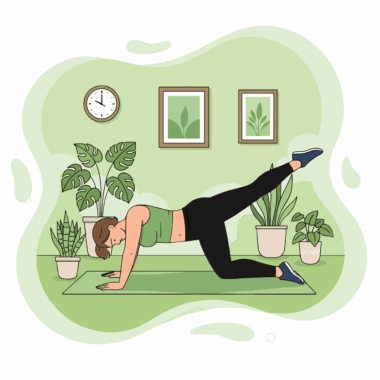
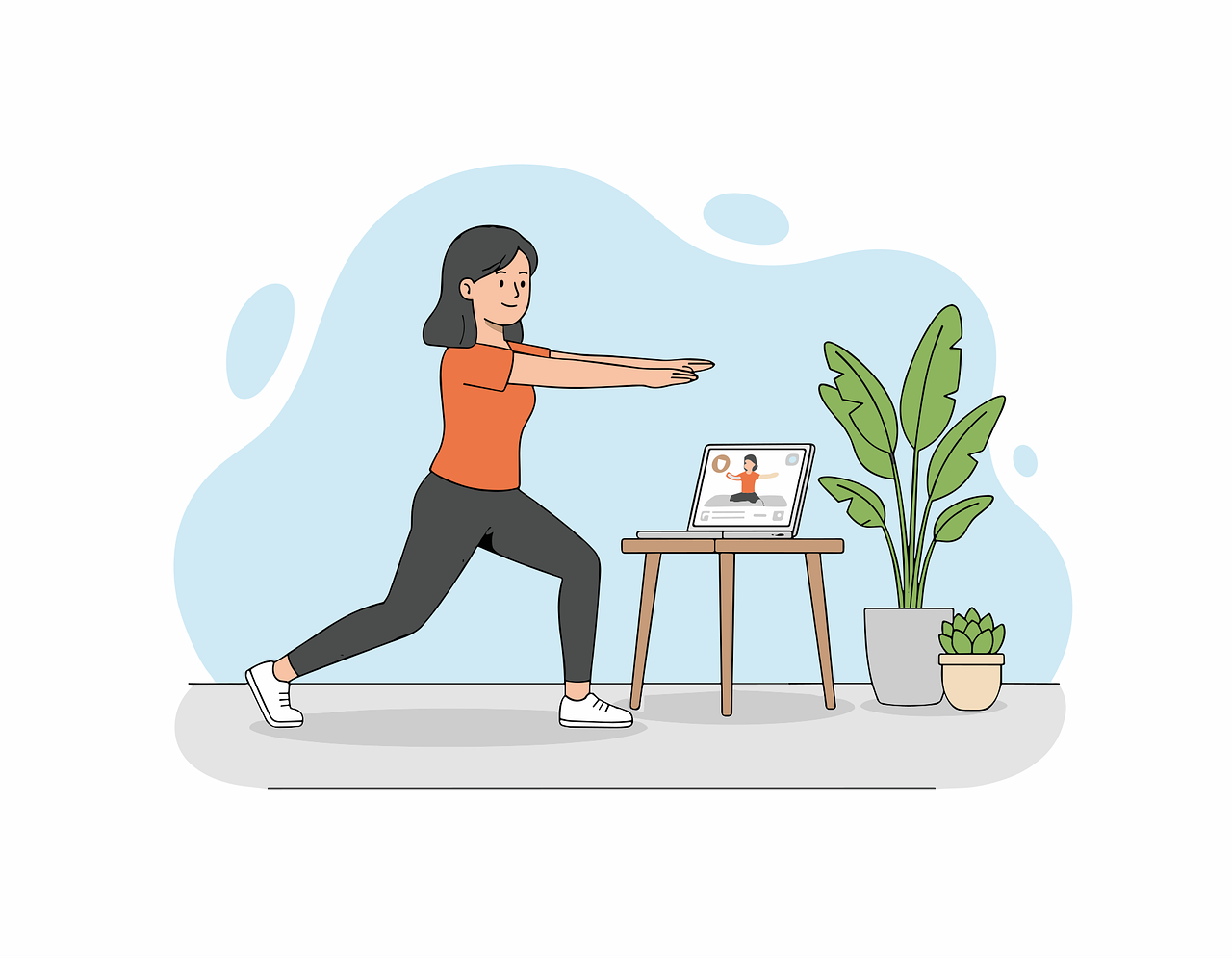
Incorporating bodyweight exercises into your CrossFit routine can significantly enhance your home workouts while allowing for easier scaling. Exercises such as push-ups, lunges, and burpees are excellent choices, offering various levels of difficulty. Beginners can start with modified versions, like wall push-ups or elevated lunges, ensuring they build strength without excess strain. As your skills improve, progress to full versions of these exercises where possible. It’s also important to focus on the quality of movement rather than quantity, emphasizing form over speed. This approach not only builds strength efficiently but also reduces injury risk. Exploring variations of bodyweight exercises further helps in renewing workout motivation. For instance, instead of standard planks, try side planks or planks with leg lifts, each targeting the core uniquely. Also, try incorporating simple equipment like resistance bands or dumbbells, which offer resistance during familiar bodyweight exercises. These small additions can create a variety of challenges, aiding in progressive overload safely and effectively. Tracking your progress and celebrating achievements, regardless of how small, will help maintain enthusiasm for continued improvement.
Cardio Alternatives for Home Workouts
CrossFit workouts often involve high-intensity cardio sessions that might require specialized equipment. However, there are numerous alternative cardio exercises you can incorporate into your home routine with minimal equipment. Jumping jacks, mountain climbers, or high knees provide excellent cardiovascular workouts without specialized gear. These exercises can quickly elevate your heart rate and can be scaled up or down depending on fitness levels. For additional variety, consider incorporating running or brisk walking outside if available. If indoors, try running in place for an effective alternative. Interval training is another effective approach combining sprinting and recovery periods, providing increased intensity even with minimal space. As you become comfortable with bodyweight cardio movements, aim to cycle through different options to engage and activate various muscle groups. Incorporating timed workouts will add fun and help gauge improvements; utilize interval timers or apps for easy timing. Mixing different types of workouts not only keeps things exciting but also allows you to tap into continuous improvement across cardio exercises while sustaining a strong metabolic boost.
Create a supportive environment at home to maintain motivation and facilitate successful CrossFit workouts. A designated workout area, regardless of size, can inspire continual exercise habits. Ensure it is well-lit and free of distractions to enhance focus during workouts. Setting a schedule is equally important, granting accountability to establish regular routines. Consider using fitness apps or digital platforms that offer structured workouts designed for home environments. These often include instructional videos guiding you through movements and scalability options for various fitness levels. Engage with online communities focused on CrossFit, where you can share tips, progress, and recommendations. This sense of camaraderie can significantly increase your motivation to stay committed. Tracking your workouts in a journal or app helps in measuring progress and remains a visual reminder of accomplishments. Regular feedback, whether from fellow enthusiasts or a coach online, is beneficial to refining techniques and keeping you engaged. Remember, every step you take toward fitness is an achievement—celebrating successes can reinforce motivation. Make sure to adjust your goals as you progress to cultivate a lifelong commitment to fitness.
Nutrition and Recovery Considerations
Nutritional habits play an essential role in fueling your CrossFit workouts at home, especially while scaling exercises for better performance. A well-balanced diet filled with whole foods provides the necessary energy to support your training. Focus on incorporating lean proteins, healthy fats, and complex carbohydrates. Foods such as chicken, fish, avocados, nuts, and whole grains should be staples in your diet. Hydration is equally crucial; make sure to drink plenty of water throughout your day, particularly before and after workouts. Consider meal prepping to ensure you have wholesome meals available, keeping you accountable for your nutrition choices. Recovery is another key component of your overall fitness journey. Prioritize sufficient sleep, as it significantly influences your performance. Incorporating mobility and stretching exercises post-workout aids in muscle recovery and promotes flexibility. Additionally, active recovery days focusing on gentle activities such as walking or yoga can help you recharge while still contributing to your fitness goals. Always listen to your body, adjusting nutrition and rest as necessary to maintain balance and maximize performance.
Finally, reflect on your accomplishments regularly, ensuring you acknowledge growth and progression throughout your CrossFit journey at home. Tracking milestones reinforces a positive mindset while showcasing how far you’ve come in your fitness endeavors. It’s common to encounter plateaus in any fitness regimen, and recognizing that these moments are part of the process is essential. Embrace change not just in workouts but in mindset, viewing challenges as opportunities to grow stronger. Utilize podcasts, books, or supportive communities to stay informed and inspired in your fitness journey. Congratulating yourself for achieving goals, no matter how small, builds lasting motivation to keep moving forward. Stay curious and open to experimenting with new movements or ideas, as a diverse workout routine maintains engagement and excitement. Incorporating structured challenge periods, such as ’30-day fitness challenges,’ can inspire additional motivation while introducing new drills to your routine. Ultimately, enjoy the journey to improved fitness and celebrate not just the results but the entire process leading to your transformation—making it a rewarding experience from start to finish.
Your Future Fitness Goals
As you reflect on your home workout journey, it’s time to set your future fitness goals. Consider what areas need improvement and how you want to build upon your accomplishments in CrossFit. Establish specific, measurable, achievable, relevant, and time-bound (SMART) goals to keep you focused and motivated. Whether you aim to master certain techniques, increase your workout intensity, or achieve particular fitness milestones, clearly defining these objectives will drive your efforts. Planning regular reviews of your goals helps assess progress and adjust strategies accordingly. Regular reassessment ensures that you remain aligned with your aspirations and that your workouts continue to provide the necessary challenges to meet your evolving fitness needs. Don’t hesitate to seek guidance from coaches and peers in your CrossFit community, as their support can offer invaluable insights into achieving your objectives. Lastly, remember that fitness is a lifelong journey, and embracing the process while being patient with yourself is crucial. Enjoy each workout, learn from setbacks, and celebrate the victories, cultivating a positive relationship with your health and fitness progress.