
Athlete Identity Crisis in the Age of Social Media
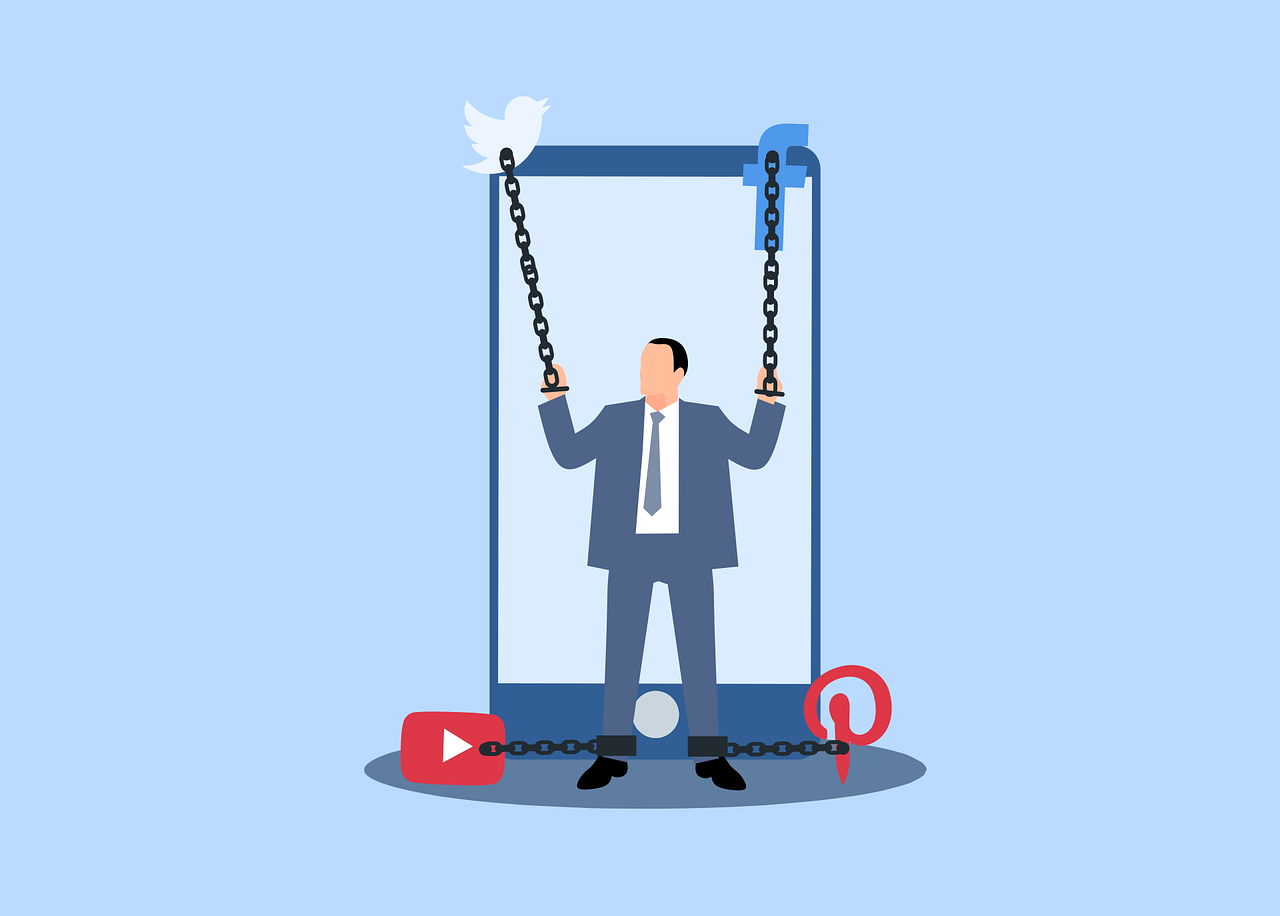
In today’s digital age, social media significantly influences athletes’ identities and mental health. The overwhelming presence of platforms like Instagram and Twitter creates a constant barrage of opinions and expectations from fans and peers. Athletes often face the challenge of managing public perception while striving to maintain their authentic selves. This dynamic can lead to stress and anxiety, particularly for younger athletes still forming their identities. The pressure to present a perfect image can trigger an identity crisis, complicating their roles as athletes. Furthermore, the comparison culture on social media can exacerbate feelings of inadequacy. When athletes see their peers celebrating victories or receiving accolades, it may foster a sense of resentment or inadequacy. Mental health struggles, fueled by external validation, can reduce performance levels and even lead to burnout. Athletes must develop coping strategies to combat these pressures, such as engaging in therapy or practicing mindfulness. By understanding the impact of social media on their mental health, athletes can implement strategies that protect their well-being and promote a healthy athletic identity.
Besides managing their online persona, athletes also wrestle with the challenge of maintaining genuine connections in the face of social media. Often, interactions online lack depth and may lead to feelings of isolation, despite having many followers. Vulnerability in a public space can be risky, especially when athletes fear backlash from fans or sponsors. The constant need for engagement online can distract from training and personal life, affecting overall well-being. Additionally, social media often encourages a culture of silence around mental health struggles. Many athletes may hesitate to share their challenges for fear of being perceived as weak or unworthy of their status. This creates a toxic atmosphere where performance is prioritized over mental health. It is crucial for athletes to remember that they are more than their public persona. By emphasizing the importance of true self-acceptance, they can confront pressures that come with social media. Support from peers, coaches, and professionals is invaluable in this journey to ensure athletes can succeed both on and off the field while maintaining their mental wellness and identity.
The Role of Sponsors and Brands
Another critical factor to consider is the role of sponsors and brands in shaping athletes’ identities. Companies often leverage athletes’ marketability by creating curated narratives around them. While this can provide financial security, it may also tie athletes’ self-worth to their endorsement deals. The emphasis on brand alignment can create pressure to conform to specific ideals, potentially leading to a detachment from their true self. Athletes may find themselves prioritizing brand expectations over personal values, impacting their mental health. Moreover, the focus on sponsorship can create competition among athletes, fostering a culture of distrust rather than camaraderie. When success is defined by marketability, athletes may feel compelled to compromise their authentic selves. This pressure can lead to unhealthy coping mechanisms, anxiety, and, in the worst-case scenarios, withdrawal from the sport itself. It’s essential for athletes to cultivate self-awareness regarding their brand associations. Understanding their worth as individual athletes beyond brand visibility can empower them to navigate this landscape more effectively.
The impact of social media on athletes extends beyond personal identity crises; it can also affect team dynamics and relationships. When athletes become embroiled in social media controversies, it can create tension within teams. Trust issues may arise as individual actions online affect group performance and cohesion. Team environments thrive on mutual support and connection; hence when athletes engage in public disputes or rivalries online, it creates distractions that hinder teamwork. Furthermore, social media can amplify misunderstandings and conflicts, leading to rifts between teammates. Maintaining a positive team culture becomes a challenge in a landscape where public perception can dictate narratives. Coaches and sports organizations need to foster an environment that encourages athletes to view social media as a tool rather than a hindrance. Developing communication strategies that address online behavior is vital to reduce misunderstandings and keep team dynamics healthy. By emphasizing teamwork on and off the field, athletes can strike a balance that nurtures positive relationships, ultimately enhancing performance.
The Importance of Mental Health Resources
Recognizing the challenges posed by social media, it’s essential for athletes to have access to mental health resources. Organizations must prioritize mental health as part of athletes’ overall health. Providing education on handling pressures from social media can significantly equip athletes with coping mechanisms. Workshops focusing on digital literacy can help athletes understand the implications of their online presence. Counseling access allows athletes to discuss any issues arising from social media influence and develop strategies to mitigate stress. Furthermore, promoting open dialogues around mental health can foster an environment where athletes feel supported. Encouraging athletes to share their experiences breaks the stigma surrounding mental health struggles in sports. Initiatives such as peer support groups can create communities where athletes share coping strategies and nurture emotional resilience. Facilitated sessions between athletes and mental health professionals can make talking about these topics normalized. Ultimately, prioritizing athletes’ mental health will empower them to face social media challenges confidently.
Finally, developing a healthy relationship with social media is crucial for athletes to thrive mentally. Setting boundaries around usage can foster a clearer focus on personal goals and well-being. Athletes should consider designating certain times for social media engagement rather than impulsively checking notifications. By consciously curating their feeds, athletes can surround themselves with positive influences that inspire growth instead of envy. Creating personal guidelines for engagement helps maintain a balanced approach. Furthermore, allocating time for reflection and self-care counters the dangers of over-exposure to online pressures. Engaging in offline activities promotes a more grounded sense of identity, reminding athletes of their passion for the sport. Conversations around creating a healthy digital environment should include both coaches and sports psychologists. Athletes can benefit from collaborative discussions that explore strategies for navigating the digital landscape. Ultimately, fostering a culture of awareness and adaptability equips athletes to maintain their mental health despite the demands of social media.
Conclusion
In conclusion, the interplay between social media and athletes’ mental health demands urgent attention. The pressures of maintaining a public identity often lead to crises that impact performance and well-being. By recognizing the influence of online interactions, athletes can proactively address potential mental health issues. Education, support systems, and individualized strategies are vital for cultivating resilience in the face of these challenges. As the landscape of sports continues to evolve alongside social media, prioritizing mental wellness will define sustainable success for athletes. Implementing carving out pathways for open discussions about mental health is essential, allowing athletes to share their burdens and experience. Collaboration between teams, sponsors, and mental health professionals can cultivate a supportive environment, enabling athletes to forge a healthier relationship with their sport and social media. This multifaceted approach will ultimately help athletes thrive, offering them the tools necessary to navigate their careers proactively, maintaining both authenticity and mental health. Through fostering these practices, athletes can better understand themselves, leading to a more fulfilled and balanced experience in sports and life.
As we move forward into a more interconnected age, understanding the psychological implications of social media on athletes continues to be a pressing topic. The need for comprehensive resources and strategies to tackle these challenges represents an opportunity for growth within the sports community. Elevating mental health awareness and embedding it within the framework of athletic training will ensure that athletes not only excel in their sport but do so with a sense of identity and mental wellness intact.