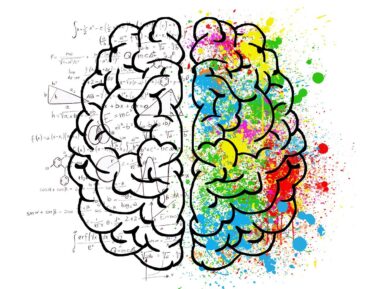

Building Resilience Through Mind-Body Awareness
The mind-body connection is essential in overcoming anxiety, as it demonstrates how our thoughts and emotions influence our physical well-being. Understanding this connection can empower individuals to manage anxiety more effectively. Many techniques focus on this interaction, helping individuals to cultivate resilience. These techniques often include mindfulness practices, yoga, breathing exercises, and meditation. Research indicates that when we engage in these practices, we activate our relaxation responses. This activation can subsequently reduce stress and anxiety levels. Additionally, methods that enhance awareness, such as journaling or guided imagery, enable us to explore our emotions. By addressing anxiety holistically, we foster better emotional regulation. Embracing the mind-body connection can lead to profound changes in how we respond to anxiety triggers. Awareness and acceptance of our inner states can help us develop strategies for managing those challenges. Furthermore, as we practice these techniques regularly, we build resilience over time, enhancing our ability to cope with daily stressors. Ultimately, fostering this connection can lead to improved overall mental health, offering tools for lasting change.
One effective method of harnessing the mind-body connection is through mindfulness meditation. Mindfulness encourages individuals to focus their attention on the present moment without judgment. By practicing mindfulness, we learn to observe our thoughts and feelings as they arise, reducing their power over us. This practice is particularly beneficial for anxiety, as it fosters a sense of calm in the face of distressing emotions. Establishing a routine that includes mindful meditation can enhance emotional intelligence. This means individuals become more aware of their triggers and how to manage them effectively. Some beneficial techniques include guided imagery and breathing exercises, which can ground us during anxious moments. Mindfulness also emphasizes self-compassion, allowing us to treat ourselves gently amidst struggles. Consistent practice leads to neural changes in the brain that can improve emotional regulation. The benefits of mindfulness extend beyond moments of anxiety, influencing our daily interactions and decision-making. Individuals often report increased clarity of thought and heightened focus when engaged in mindfulness practices. By integrating mindfulness meditation into daily life, we foster a resilient mindset capable of tackling anxiety more effectively and enjoying a higher quality of life.
Movement as a Tool for Overcoming Anxiety
Another vital aspect of the mind-body connection is physical movement. Engaging in regular exercise has been shown to significantly alleviate symptoms of anxiety. Exercise releases endorphins, which are natural mood lifters. Activities such as yoga, tai chi, or even walking can provide an effective outlet for anxiety energy. The intentional movements involved in these practices encourage mindfulness, linking the body’s physical sensations with mental states. Additionally, participating in structured physical activity promotes social interaction, which is beneficial for mental health. Studies reveal that individuals who exercise regularly experience lower levels of anxiety overall. Creating a balanced routine that incorporates various forms of movement can enhance resilience against anxiety triggers. Setting aside time for physical activity is essential for both mental and physical health. By recognizing the benefits of movement, we can implement this practice into our daily lives. The key lies in finding activities that resonate with us personally, making it more likely we will stick with it. With consistent effort, these activities lead to greater emotional stability and improved coping strategies for managing anxiety.
Breathing exercises are another powerful tool within the mind-body techniques arsenal. Simple yet effective, these exercises can manage anxiety levels almost immediately. Deep, slow breaths activate the parasympathetic nervous system, promoting relaxation. Techniques such as the 4-7-8 breathing method, box breathing, and diaphragmatic breathing are excellent choices. By focusing on our breath, we momentarily set aside anxious thoughts, allowing clarity to emerge. Incorporating structured breathing exercises into our daily routine can significantly enhance our resilience to anxiety over time. These practices can be particularly beneficial during moments of acute stress, as they bring our awareness back to the present. Additionally, they can improve overall lung function and help manage physiological symptoms of anxiety. Regular practice cultivates a sense of agency over our physical reactions to stress. Breathing exercises are adaptable and can be performed anywhere. We can utilize them at home, during work, or even while commuting. This accessibility makes them invaluable tools in our anxiety-management toolkit, empowering us to counteract anxiety when it arises.
The Role of Journaling in Emotional Processing
Journaling serves as another effective technique for engaging the mind-body connection. Writing down thoughts and feelings can help clarify emotions, making it easier to understand and manage anxiety. This process encourages reflection and allows us to gain insight into the patterns that trigger anxiety. Moreover, journaling fosters self-expression, promoting emotional release in healthy ways. Studies indicate that expressive writing can improve mental health, allowing individuals to confront underlying feelings and fears. Incorporating this practice into our routine can create a safe space for exploring deep-seated emotions. It’s essential to approach journaling with openness, free from judgment, and set aside time regularly to reflect on our experiences. By doing so, we cultivate a deeper understanding of ourselves and the factors that contribute to our anxiety. This heightened awareness, in turn, promotes resilience as we learn to navigate anxiety with greater ease. Journaling can also serve as a valuable tool for tracking progress in our anxiety management journey, highlighting areas of growth and patterns to be addressed. Ultimately, journaling transforms emotional turmoil into opportunities for personal development.
Engaging in creative activities is another superb way to strengthen the mind-body connection. Activities such as painting, crafting, or playing a musical instrument allow for self-expression and emotional release. These creative outlets provide a distraction from anxious thoughts and promote a state of flow, where individuals feel deeply immersed in the experience. Research indicates that engaging in creative activities can reduce cortisol levels, a hormone linked to stress. Thus, embracing creativity can simultaneously improve mental well-being and combat anxiety. This encouragement fosters resilience, enhancing our ability to cope with stressors. Finding a creative pursuit that resonates can be incredibly rewarding, allowing those struggling with anxiety to channel emotions constructively. Moreover, sharing creative work with others can strengthen social connections, further enhancing emotional support. This support system is crucial, as it alleviates feelings of isolation often experienced by individuals facing anxiety. As we engage in these creative processes, we build confidence in our abilities, helping to establish a positive feedback loop of emotional resilience. Overall, creativity enriches our lives, offering tools for healing and self-discovery.
Conclusion: Integrating Mind-Body Techniques for Lasting Change
To conclude, integrating mind-body techniques into our lives can offer profound support in overcoming anxiety. By developing awareness of the interconnectedness between our thoughts, emotions, and physical sensations, we create pathways to manage anxiety effectively. Each method discussed has unique benefits—whether through mindfulness, movement, breathing exercises, journaling, or creative activities. These practices collectively serve to enhance resilience, improve emotional regulation, and foster a greater sense of well-being. Progress requires consistency and patience, but the journey towards improved mental health is invaluable. As we embrace these techniques, we also cultivate a more profound sense of self-compassion and understanding. Ultimately, by adopting a holistic approach to anxiety management, we empower ourselves and come to terms with our emotional responses, allowing for healing and personal growth. The mind-body connection is a powerful ally, enabling us to navigate life’s challenges with strength and grace. By committing to these strategies, we embark on an enriching path toward resilience, providing the tools we need to thrive and flourish in our everyday lives.